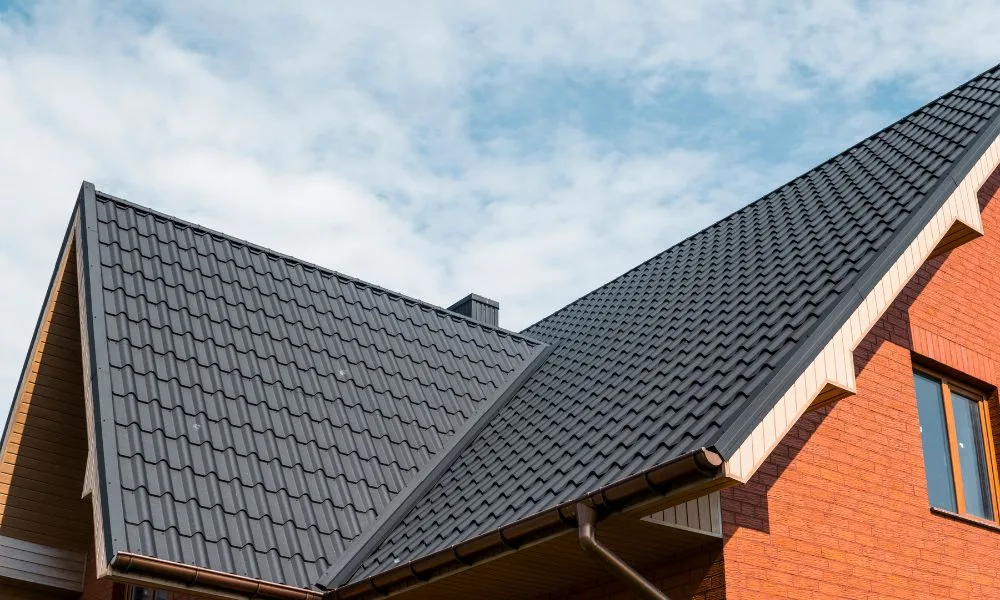
A strong roof is one of the most important parts of any home because it protects everything inside from rain, wind, heat, and storms. When your roof is in good condition, your home stays safe, dry, and comfortable all year.
But when problems start, even small damage can quickly become a big repair. Read on to learn about reliable roofing solutions for long lasting protection and how to keep your roof strong for years.
Why a Strong Roofing System Matters
A roofing system is more than just the outer layer you see. It is a full system made of shingles or panels, underlayment, flashing, gutters, ventilation, and insulation. Each part works together to protect the home from outside elements. If one part fails, the entire system becomes weaker and more exposed to damage.
Water is the biggest threat to any roof system. Even a small opening can let moisture enter and slowly spread into insulation, wood structures, and interior ceilings. Once water enters, it rarely stays in one place. It moves along beams and spreads to other areas, which makes the damage larger than expected. Over time, this can lead to mold growth, wood rot, and weakening of structural support.
Heat and sunlight also create long-term stress. Constant UV exposure dries out roofing materials, making them brittle and less flexible. This increases the chance of cracks and breaks during storms. A strong roofing system balances protection, ventilation, and durability so the home stays safe in all conditions.
Common Causes of Roof Damage
Roof damage can happen slowly over time or suddenly during extreme weather. Strong winds are one of the most common causes because they lift shingles, loosen flashing, and push debris onto the roof surface. Once shingles are lifted, rain can easily enter underneath and cause internal damage.
Heavy rain is another major cause because water always finds weak points. Even a small crack or gap can allow water inside, and once it enters, it spreads through layers of roofing material. Hail damage can be harder to detect because it often creates small cracks or bruises that are not visible from the ground but still weaken the surface.
Temperature changes also contribute to roof wear. Materials expand in heat and contract in cold, and this constant movement slowly loosens joints and seals. Poor installation or low-quality materials also increase the risk of early roof failure. Without proper maintenance, even small issues become large structural problems over time.
Early Warning Signs of Roof Problems
Roof problems usually start with subtle signs that are easy to miss. One of the most common signs is water stains on ceilings or walls, which often means water is already entering the home. These stains may start small but usually grow if the leak is not fixed.
Missing, curled, or cracked shingles are also clear warning signs. They expose the roof underlayer and allow water and wind to enter directly. A sagging roof area may indicate deeper structural issues that need immediate attention because it can signal weakened support beams.
Inside the attic, musty smells or visible mold are strong indicators of hidden moisture. Granules from shingles collecting in gutters also suggest roof aging or storm damage. Rising energy bills can also point to roof issues because air leaks reduce insulation efficiency. These signs should always be taken seriously to prevent larger repairs later.
Importance of Regular Roof Inspections
Regular roof inspections are one of the most effective ways to avoid costly repairs. A professional inspection can detect damage that is not visible from the ground or inside the home. It is best to inspect a roof at least twice a year and after major storms.
During inspections, roofers check shingles, flashing, gutters, vents, seals, and structural alignment. They also look for moisture buildup, weak spots, and early signs of leaks. Small cracks or loose materials can often be repaired quickly if found early.
Inspections also help extend roof lifespan because they allow continuous maintenance instead of waiting for failure. This reduces emergency repair costs and helps homeowners plan maintenance more effectively over time.
Roof Repairs and Maintenance Work
Roof repairs are needed when damage is found, even if it seems minor. Repair work may include replacing missing shingles, sealing leaks, fixing flashing, or reinforcing weak areas. These repairs help stop damage from spreading further into the structure.
Maintenance work is just as important as repairs. It includes cleaning debris, clearing gutters, checking drainage flow, and inspecting seals around vents and chimneys. Clogged gutters are especially dangerous because they cause water to overflow and collect along roof edges, which leads to rot and leaks.
Regular maintenance also helps detect early wear and tear before it becomes serious. Small cracks or loose materials can be fixed quickly, which saves money and prevents larger structural damage in the future.
Roof Replacement and When It Is Needed
Roof replacement becomes necessary when repairs are no longer effective or when the roof reaches the end of its lifespan. An old roof may develop repeated leaks, widespread shingle damage, or structural weakening that cannot be fixed with small repairs.
A full roof replacement involves removing all old materials and installing a completely new system. This process allows for improved protection, better insulation, and stronger weather resistance. It also gives homeowners a chance to upgrade materials for better durability and energy efficiency.
A new roof reduces long-term maintenance costs and provides stronger protection during storms and extreme weather. It also increases property value because buyers prefer homes with updated roofing systems that will not require immediate repairs.
Weather Impact on Roofing Systems
Weather is one of the most powerful forces affecting roof condition. Strong winds can lift shingles and expose underlayers, while heavy rain can penetrate small openings and spread inside the structure. Hail can cause impact damage that weakens the roof even if it is not immediately visible.
Snow and ice also add stress because they increase weight and create ice dams. Ice dams block proper drainage and force water under shingles, which leads to leaks. Over time, repeated exposure to weather conditions slowly weakens roofing materials and reduces their lifespan.
A well-built roofing system is designed to handle these challenges through strong materials, proper sealing, and effective drainage systems that move water away quickly.
Energy Efficiency and Roof Performance
A roof plays a major role in controlling indoor temperature and energy use. Poor roofing allows heat to escape during cold weather and lets excessive heat enter during warm weather. This forces heating and cooling systems to work harder, increasing energy costs.
Proper insulation and ventilation improve energy efficiency by maintaining stable indoor temperatures. Reflective roofing materials can also reduce heat absorption and improve comfort during hot seasons. Good ventilation prevents moisture buildup, which helps protect both the roof and interior structure.
Energy-efficient roofing systems not only save money but also improve overall home comfort and long-term performance.
Choosing the Right Roofing Materials
Roofing materials directly affect durability, cost, and performance. Asphalt shingles are commonly used because they are affordable and easy to install. Metal roofing lasts longer and performs well under extreme weather conditions. Tile roofing offers high durability but requires stronger structural support due to its weight.
Each material has strengths and limitations, so the best choice depends on climate, budget, and building type. In areas with frequent storms, stronger and more impact-resistant materials may be better. In warmer regions, reflective materials help reduce heat buildup.
Choosing the right material improves roof lifespan and reduces long-term maintenance needs.
Importance of Professional Roofing Services
Roofing work should always be handled by trained professionals because it involves safety risks and technical knowledge. Improper repairs can make problems worse or create new damage that is more expensive to fix later.
Professional roofers have the experience and tools to identify hidden issues and complete repairs safely. They also ensure that work meets building standards and performs well under real weather conditions.
Hiring professionals also reduces the risk of mistakes and improves long-term durability. For reliable results, homeowners often work with a trusted roof repair company in Atascocita to ensure proper repair and long-lasting protection.
Preventing Roof Damage Before It Happens
Prevention is the most cost-effective way to protect a roof. Regular cleaning and inspection help catch problems early before they become serious. Cleaning gutters prevents water buildup and reduces the risk of leaks along roof edges.
Trimming trees near the home helps prevent branches from falling during storms. Checking shingles and flashing regularly helps identify weak areas before they fail. Even simple maintenance habits can significantly extend roof life.
Preventive care also reduces emergency repairs and helps homeowners avoid sudden unexpected expenses.
Common Roofing Mistakes Homeowners Make
Many roofing problems happen because of avoidable mistakes. Ignoring small leaks is one of the most common issues, and it often leads to major water damage over time. Delaying repairs allows damage to spread into walls and ceilings.
Another mistake is trying DIY repairs without proper training, which can make the problem worse. Using low-quality materials also reduces roof durability and increases repair frequency. Regular professional care helps avoid these mistakes and ensures better long-term results.
Long-Term Benefits of Reliable Roofing Solutions
Reliable roofing solutions provide long-term protection, cost savings, and improved home safety. A strong roof reduces repair frequency, improves energy efficiency, and increases property value. It also provides peace of mind during storms and harsh weather conditions.
Homes with well-maintained roofs are more attractive to buyers because they show proper care and reduced future risks. Over time, a good roofing system pays for itself through lower maintenance costs and improved performance.
How Roofing Affects Home Safety
Roofing plays a big role in keeping your home safe. A strong roof protects your home from rain, wind, and storms. If the roof is damaged, water can enter and weaken ceilings and walls.
This can also lead to mold growth that affects air quality. A weak roof may even create structural risks over time. Keeping your roof in good condition helps protect both your home and your family.
Seasonal Roofing Care
Seasonal roofing care helps keep your roof in good condition all year. In winter, snow and ice should be checked because they can add weight and cause leaks. In spring, heavy rain can test your roof and gutters for proper drainage.
Summer heat can dry out roofing materials and cause small cracks. In fall, leaves should be removed from gutters to prevent blockages. Regular care in each season helps prevent costly roof damage.
Insurance and Roof Damage Support
Insurance can help cover the cost of roof damage after storms or accidents. Homeowners should take photos of all visible damage as soon as it is safe. These photos help support insurance claims and speed up the process.
It is also important to report the damage to the insurance company right away. A professional roof inspection can provide a clear report for your claim. Keeping proper records helps ensure you get fair support for repairs.
Simple Roof Maintenance Habits Every Homeowner Should Follow
Simple roof maintenance habits can help prevent major damage and extend the life of your roof. One of the easiest steps is to check your roof regularly from the ground for missing or damaged shingles. Keeping gutters clean is also very important because it allows rainwater to flow away from your home properly.
It is also helpful to remove leaves, branches, and debris that can collect on the roof surface. These materials can trap moisture and cause long-term damage if left too long. Trimming nearby trees helps prevent branches from falling on the roof during storms.
Homeowners should also look for signs of leaks inside the home, such as stains or damp spots on ceilings. Early action can prevent small problems from becoming expensive repairs. These simple habits can make a big difference in keeping your roof strong and reliable.
Learn All About Reliable Roofing Solutions
Reliable roofing solutions are essential for long-lasting protection, safety, and home value. A strong roof protects against rain, wind, sun, snow, and storms while also improving energy efficiency and comfort. Regular inspections, proper maintenance, and timely repairs help prevent costly damage and extend the roof’s lifespan.
Choosing quality materials and working with experienced professionals ensures the roof remains strong under all conditions. With consistent care and attention, a roof can provide dependable protection for many years and keep the home safe, secure, and comfortable in every season.
Visit our blog for more!