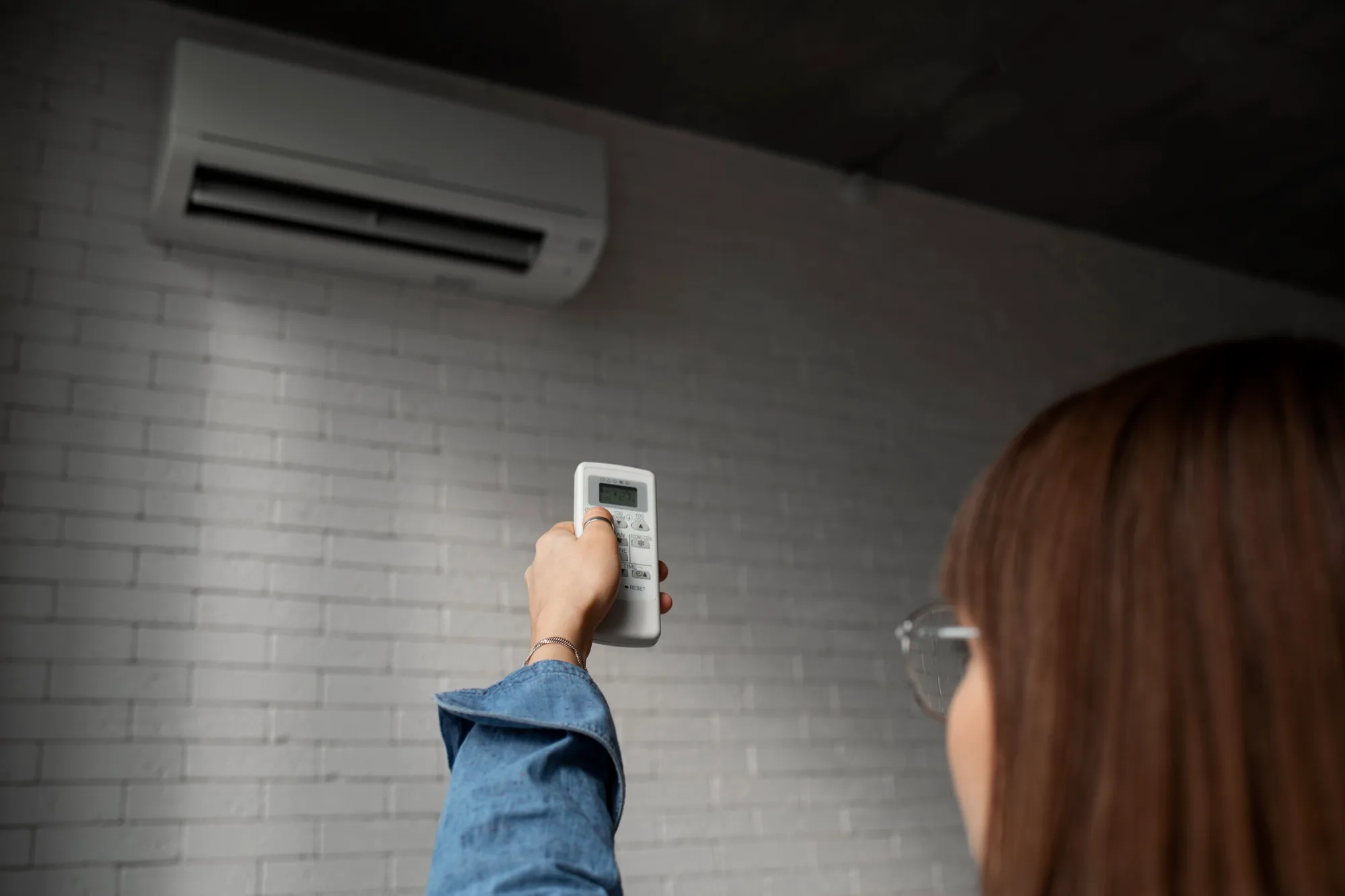
Upgrading a cooling system today is about more than comfort. With rising energy costs and a growing focus on efficiency, many Victorian households are switching to smarter air conditioning solutions that reduce power consumption while improving performance.
Government incentives have also made these upgrades more affordable. The air conditioning rebate victoria program has encouraged many property owners to replace outdated systems with energy-efficient alternatives that offer better long-term savings.
At the same time, the Victorian energy rebate initiative continues to support households and businesses investing in sustainable heating and cooling solutions.
However, many people still ask one important question: what type of air conditioner is actually eligible under the VEU Rebate Program?
Not every system qualifies. Eligibility depends on factors such as energy efficiency, approved product categories and installation requirements. This guide explains which air conditioners are commonly eligible and what property owners should know before installation.
Understanding the VEU Rebate Program
The Victorian Energy Upgrades (VEU) program is a government initiative designed to reduce greenhouse gas emissions by encouraging households and businesses to install energy-efficient products and systems.
Under this program, accredited providers can offer discounts on approved energy-saving upgrades. These upgrades can include lighting, hot water systems, insulation, and energy-efficient heating and cooling solutions.
For air conditioning systems, the program primarily focuses on replacing older and inefficient units with modern reverse-cycle systems that consume less electricity while delivering better heating and cooling performance.
The main objective is simple:
- Reduce overall energy consumption
- Lower power bills for residents
- Improve energy efficiency across Victoria
- Encourage sustainable technology adoption
Because of this, only specific air conditioning systems qualify under the program.
Why Eligibility Matters
Many consumers assume that every new air conditioner automatically qualifies for rebates. Unfortunately, that is not the case. The Victorian energy rebate program follows strict compliance standards, meaning the system must meet specific energy-efficiency benchmarks and installation guidelines established under the rebate.
Choosing a non-approved system may result in:
- No rebate eligibility
- Higher installation costs
- Reduced energy savings
- Compliance issues during verification
This is why understanding approved system categories before purchasing is essential.
Types of Air Conditioners Commonly Eligible Under the VEU Program
Although approved products can vary depending on updates to government guidelines, several categories of systems are typically considered eligible.
1. Multi-Split Air Conditioning Systems
Multi-split systems are another category that may qualify under the program.
Unlike standard split systems, multi-split units allow multiple indoor units to connect to a single outdoor compressor.
This setup is ideal for:
- Larger homes
- Multi-room cooling
- Office spaces
- Properties with limited outdoor installation space
These systems improve flexibility while maintaining energy efficiency.
Benefits of Multi-Split Systems
- Independent room temperature control
- Reduced outdoor clutter
- Better energy management
- Lower overall power consumption compared to multiple standalone units
Eligibility generally depends on the approved model and compliance with installation standards.
2. Ducted Reverse Cycle Systems
Ducted systems are commonly used in larger residential and commercial properties.
These systems distribute conditioned air through concealed ducts installed in ceilings or under floors.
Modern ducted reverse-cycle systems can qualify under the VEU program when they meet required efficiency ratings.
Why Ducted Systems Are Popular
Ducted air conditioning provides:
- Whole-home climate control
- Consistent airflow
- Minimal visible equipment
- Zoned operation options
- Better aesthetics compared to wall-mounted systems
Although installation costs are generally higher, energy-efficient models can offer substantial long-term savings.
Important Considerations
Not every reverse-cycle ducted unit qualifies automatically.
Factors that may influence eligibility include:
- Star energy rating
- System capacity
- Product approval status
- Existing system replacement conditions
- Installation by accredited professionals
Because reverse-cycle ducted systems involve larger installations, compliance checks are usually more detailed.
Air Conditioners That May Not Qualify
While many modern systems can be eligible, certain products may not qualify under the VEU program.
Examples can include:
- Portable air conditioners
- Window-mounted units
- Non-inverter systems
- Older low-efficiency models
- Second-hand equipment
- DIY-installed systems
The primary reason is usually energy performance.
The VEU program focuses heavily on reducing energy consumption. Products that do not meet efficiency standards are generally excluded.
Key Eligibility Factors Homeowners Should Know
Understanding the type of system is only one part of the process. Several other conditions may affect whether a rebate can be claimed.
Energy Efficiency Ratings
Approved systems typically need to meet minimum energy-performance standards.
Higher star ratings generally indicate:
- Better energy efficiency
- Lower operating costs
- Reduced environmental impact
Property owners should always compare efficiency ratings before selecting a system.
Installation Compliance Supervised by Accredited Providers
The VEU program requires installation compliance to be completed through approved providers or qualified technicians associated with accredited businesses.
This ensures:
- Proper installation practices
- Compliance with safety standards
- Accurate documentation
- Successful rebate processing
Choosing unqualified installers can risk disqualification.
Product Approval Lists
Government-approved product lists are regularly updated.
A system that qualified previously may not always remain eligible in future program updates.
Before purchasing, it is important to verify:
- Approved model numbers
- Manufacturer compliance
- Current rebate eligibility
This step can help avoid unexpected issues during the application process.
Replacement Requirements
In some cases, rebates may apply specifically when replacing older inefficient systems.
For example, replacing:
- Outdated electric heating
- Older cooling systems
- Inefficient gas heating units
can improve the likelihood of qualifying under upgrade-focused categories.
Why Reverse-Cycle Systems Are Heavily Promoted?
One noticeable trend within energy-efficiency programs is the strong preference for reverse-cycle technology. This is largely because reverse-cycle systems can:
- Heat and cool using one unit
- Deliver lower energy consumption
- Operate more efficiently than conventional heaters
- Reduce dependence on gas heating
Due to these benefits, many households exploring the air conditioning rebate victoria initiative are choosing reverse-cycle systems as a practical long-term upgrade. Victoria has increasingly encouraged electrification and energy-efficient alternatives, making these systems one of the most effective cooling and heating solutions available today.
Common Mistakes People Make During the Rebate Process
Many rebate issues happen because property owners rush the process without checking eligibility requirements.
Here are some common mistakes:
Buying Before Verifying Eligibility
Some homeowners purchase systems first and check eligibility later.
If the model is not approved, the rebate may not apply.
Using Non-Accredited Installers
Even an eligible system may become non-compliant if installation requirements are not followed.
Choosing Oversized or Undersized Units
Incorrect system sizing can reduce efficiency and increase running costs.
Professional assessments help determine the right capacity for the property.
How to Choose the Right Eligible Air Conditioner
Selecting the right system involves more than simply finding an approved model.
Property owners should consider:
Room Size and Property Layout
Different systems suit different spaces.
- Split systems work well for single rooms
- Multi-split systems suit multiple rooms
- Ducted systems are ideal for whole-home coverage
Energy Consumption
Lower energy use can lead to substantial long-term savings.
Comparing annual running costs is often more important than focusing only on upfront pricing.
Heating and Cooling Needs
Victorian weather can vary throughout the year.
Choosing a system that performs efficiently during both summer and winter is essential.
Noise Levels
Modern systems often include quieter operation modes that improve indoor comfort.
Smart Features
Many newer systems include:
- Wi-Fi connectivity
- Mobile app controls
- Scheduling features
- Smart sensors
- Energy monitoring
These features can improve convenience and energy management.
The Long-Term Benefits of Installing an Eligible System
Installing an approved energy-efficient air conditioner can provide advantages beyond initial rebate savings.
Lower Electricity Bills
Efficient systems consume less power, helping reduce monthly energy costs.
Improved Indoor Comfort
Modern systems provide better temperature consistency and air circulation.
Environmental Benefits
Reduced energy use contributes to lower greenhouse gas emissions.
Better Property Value
Energy-efficient homes are increasingly attractive to buyers and tenants.
Reduced Maintenance Issues
Newer systems generally operate more reliably than aging equipment.
Final Thoughts
The VEU Rebate Program has made energy-efficient cooling and heating upgrades more accessible for Victorian households and businesses.
However, eligibility depends on more than simply purchasing a new air conditioner.
Selected Multi-split units and ducted systems and selected heat pump technologies are among the most commonly approved categories under the program. Factors such as energy-efficiency ratings, approved product status, installation standards and compliance requirements all play an important role in determining eligibility.
Before making a purchase decision, property owners should always confirm that the selected system meets current program requirements and is installed through qualified professionals.
Taking the time to understand the eligibility process can help maximise savings, improve energy efficiency, and ensure long-term performance benefits for the property.
As Victoria continues moving toward more sustainable energy solutions, choosing an efficient air conditioning system is becoming less of an upgrade and more of a smart long-term investment.