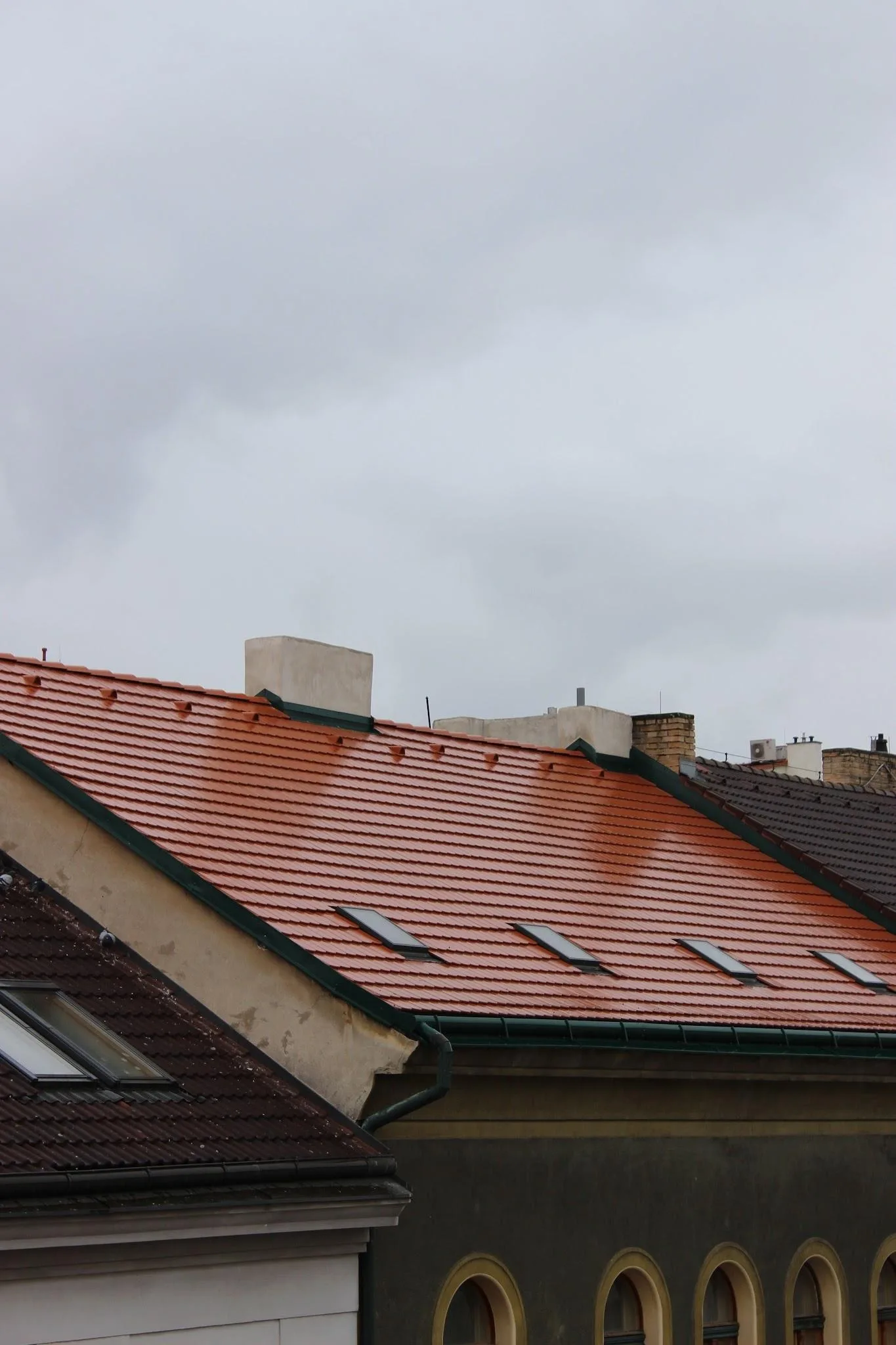
Tile roofs are a popular choice for homeowners who value long-lasting durability and classic style. These premium structures provide excellent protection against the elements while elevating your home’s curb appeal. Understanding how local weather patterns interact with your roofing materials helps you maintain your property value over time.
Managing Your Local Roof Investment
Maintaining a premium roof system requires consistent care and financial planning. Choosing high-quality professional assistance ensures your home remains safe throughout changing seasonal weather patterns.
For homeowners in Southern California, hiring reliable roofing services in San Diego can help address minor damage before it develops into costly structural problems. Experienced professionals can identify hidden issues, recommend timely repairs, and help extend the lifespan of your roof while protecting your home’s overall value.
Shifting Temperatures and Sun Exposure
Constant exposure to harsh sunlight triggers a cycle of thermal expansion and contraction in roofing materials. The intense heat causes your tiles to expand during the day, while the cooler night air forces them to contract.
This continuous movement places significant physical stress on the underlying materials. Over time, intense sun and heat can dry out older underlayment, weaken flashing around valleys and roof penetrations, make sealants brittle, and expose vulnerable areas when tiles crack or shift.
The Threat of High Wind Speeds
Strong winds present a major mechanical challenge for any residential roof structure. Fast-moving air currents can slip underneath loose components, creating a dangerous lifting force that compromises the system.
Homeowners frequently must deal with wind-driven debris striking their properties during storm season. A specialized industry report notes that high winds can lift or break individual tiles, causing them to crack or shatter, which can result in leaks and water damage.
Heavy Rain and Moisture Management
Tile roofs are highly effective at shedding water during standard rain showers. Problems occur when heavy or prolonged downpours overwhelm your home’s drainage channels.
If water cannot flow freely off your roof, it begins to pool in valleys and near the gutters. This standing water can back up under the tiles and soak your secondary defense layers, eventually leading to costly interior ceiling damage.
Coastal Hazards and Salt Air Corrosion
Living near the ocean brings beautiful views but introduces a highly corrosive environment for building materials. The marine atmosphere carries microscopic salt particles that settle across your entire house.
While clay and concrete withstand salt well, the underlying metal components face major risks. Coastal homes face salt in the air, which can corrode certain materials, especially metals without proper anti-corrosive treatment.
System Design and Crucial Components
A tile roof functions as a complete protective system rather than just a collection of individual exterior pieces. Every layer must remain fully intact to successfully repel heavy rain and wind.
- The top tiles act as the primary shield against physical impacts.
- The underlayment serves as a vital waterproof backing material.
- The metal flashing channels water away from chimneys and valleys.
- The fasteners anchor each piece securely to the roof deck.
When a single component degrades, the surrounding pieces become vulnerable to shifting. Regular checkups help confirm that every layer is performing its job correctly.
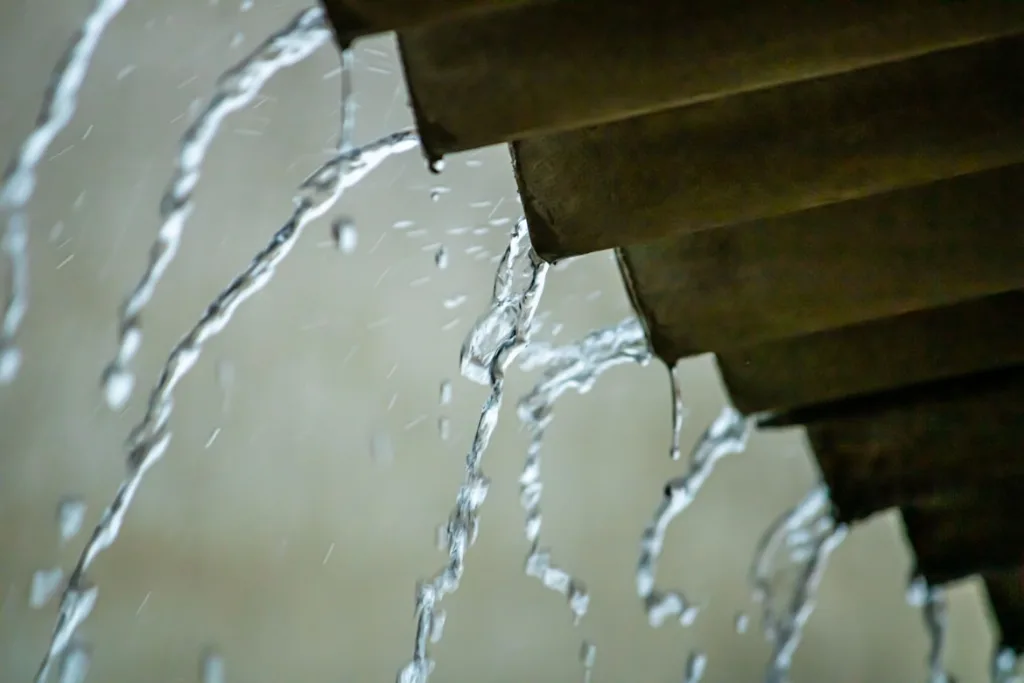
Catching minor issues early keeps small repair jobs from turning into full-scale system overhauls. A clean roof allows water to flow exactly where it belongs.
Staying ahead of weather damage requires a mix of regular cleaning and timely professional repairs. Taking care of your tile roof today ensures your home stays dry and safe for many years to come.