Your roof usually does not fail all at once. In most cases, it gives clear warnings before serious damage appears. Some signs are easy to spot, like shingles in the yard after a storm. Others are less obvious, such as a musty attic, higher energy bills, or rooms that suddenly feel drafty.
For homeowners in Kansas City, where heavy summer storms and winter freeze-thaw cycles wear roofs down fast, catching these signs early matters even more. Knowing when a roof needs more than just another small repair can help you avoid larger expenses, protect your home, and reduce stress.
When Repairs Stop Helping
Roof repairs are often the right first step. A small leak may be patchable, and a few damaged shingles can sometimes be replaced without much difficulty. The problem comes when repairs become a pattern instead of a solution.
One major warning sign is a leak that returns in the same place after it has already been fixed. That often suggests the damage goes deeper than the surface. The layers beneath the shingles may be worn out or weakened in ways that a patch cannot solve. It is also concerning when new issues start appearing in other parts of the roof. That usually means the full roofing system is aging rather than one isolated area failing.
This is often when homeowners begin considering roof replacement in Kansas City, especially after years of storms, seasonal wear, and temperature swings. A proper repair should solve the issue, not create an endless cycle of maintenance. If your roof keeps demanding attention, replacement may be the smarter long-term investment.
Age Tells a Story
A roof can still look fairly normal from the ground and still be nearing the end of its useful life. Age matters because roofing materials wear down gradually, often before dramatic leaks or major visible damage show up.
Asphalt shingle roofs generally last about 15 to 30 years. The exact lifespan depends on material quality, installation, ventilation, and local weather conditions. Strong sun, hail, heavy rain, wind, and freezing winters can all shorten a roof’s life. A roof exposed to frequent severe weather may age much faster than one in a milder climate.
If you are unsure how old your roof is, check inspection reports, home purchase records, or past renovation paperwork. A professional roofer can also estimate its age and condition during an inspection. Once a roof reaches its later years, even minor problems matter more. Shingles may become brittle, sealants can weaken, and small gaps can start letting in water.
Warning Signs Indoors
Some of the most important roof warnings appear inside the house rather than outside. Since water and air can enter through very small openings, damage may first become visible indoors.
Ceiling stains are one of the most common signs, especially yellow or brown spots that get darker after rain. Peeling paint, bubbling on upper walls, or damp areas near ceilings can also indicate hidden moisture. In the attic, warning signs include wet insulation, mildew smells, condensation, and visible water marks.
Drafts can be another clue. If some rooms no longer feel as comfortable as they once did, the roof may be allowing air to escape or interfering with insulation and ventilation. As a result, your heating and cooling system has to work harder, and your utility bills may increase without another obvious cause.
These indoor signs matter because they usually mean the problem is already active. Catching them early can prevent damage to drywall, framing, insulation, and other parts of the home.
What Damage Looks Like
You do not need to climb onto the roof to spot many common signs of trouble. A careful look from the ground and around your property can reveal a lot.
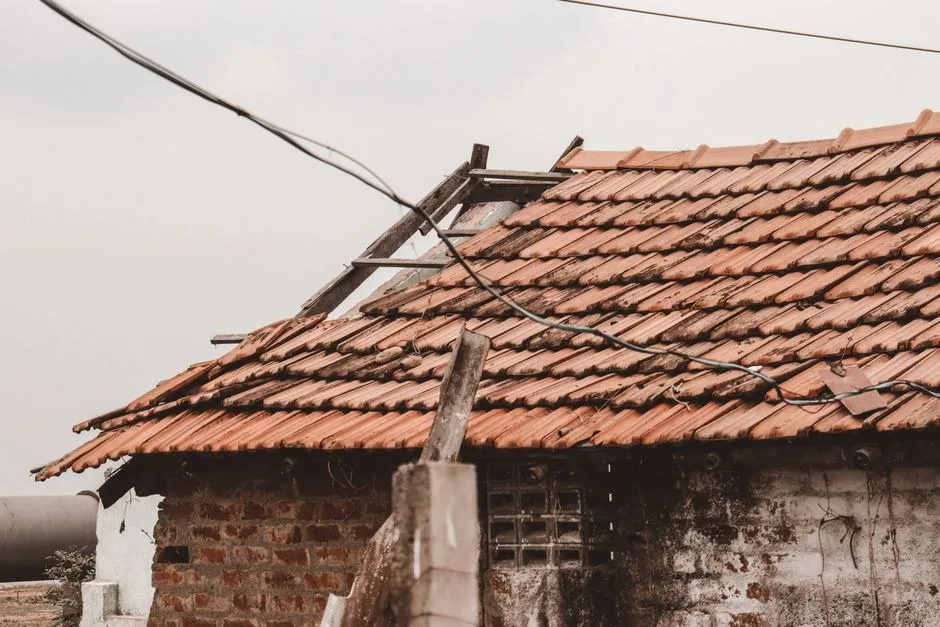
Missing shingles are one of the clearest signs that the roof has become vulnerable. Curling edges, cracks, and bare spots show that shingles are drying out and losing their protective ability. If you notice gritty debris in the gutters, it is probably shingle granules. As those granules wear away, shingles become less able to resist sunlight and weather.
Other visible warning signs include dark streaks, moss growth, and sagging sections. Moss can trap moisture against the roof and speed up deterioration. Sagging is more serious because it may point to structural weakness below the surface.
After storms, check for torn flashing, hail dents, and damage from branches or debris. Wind and hail may not always create obvious holes, but they can still reduce the roof’s lifespan. If the roof looks patchy, uneven, or simply worn out, the problem may be more than cosmetic.
Why Timing Matters
Waiting too long to replace a failing roof can turn a manageable job into a much larger repair. Roof problems rarely stay contained. Water can travel away from its original entry point and damage wood decking, insulation, drywall, and even electrical components.
A leak that only appears during heavy rain may seem small, but repeated moisture can eventually lead to rot, mold, and weakened structural areas. Wet insulation also loses effectiveness, which can raise energy costs and make parts of the house less comfortable.
Timing matters for scheduling too. If you wait until the damage becomes severe, you may have fewer options for when the work can be done. Roofing companies are often busier during storm season, and urgent repairs after severe weather can be harder to schedule. Acting earlier gives you time to compare contractors, review materials, and plan financially before another storm makes the situation worse.
The goal is not to panic. It is to keep a small roofing problem from turning into an expensive chain reaction.
Planning the Budget
Because roof replacement is a major expense, it helps to treat it as a planned project whenever possible. Start with a professional inspection so you understand the roof’s condition and whether replacement truly makes sense.
Next, collect a few estimates. Do not compare bids by price alone. Ask what materials are included, whether the old roofing layers will be removed, what warranties are offered, and whether cleanup and disposal are part of the total. A lower estimate may leave out important details that create extra costs later.
It is also smart to ask about scheduling. Project timelines can vary depending on weather, crew availability, and material supply. If this is your first roof replacement, write down your questions ahead of time so you can make a confident decision.
A clear plan can make the investment feel more manageable. You are not just paying for shingles. You are paying for labor, materials, protection, timing, and peace of mind.