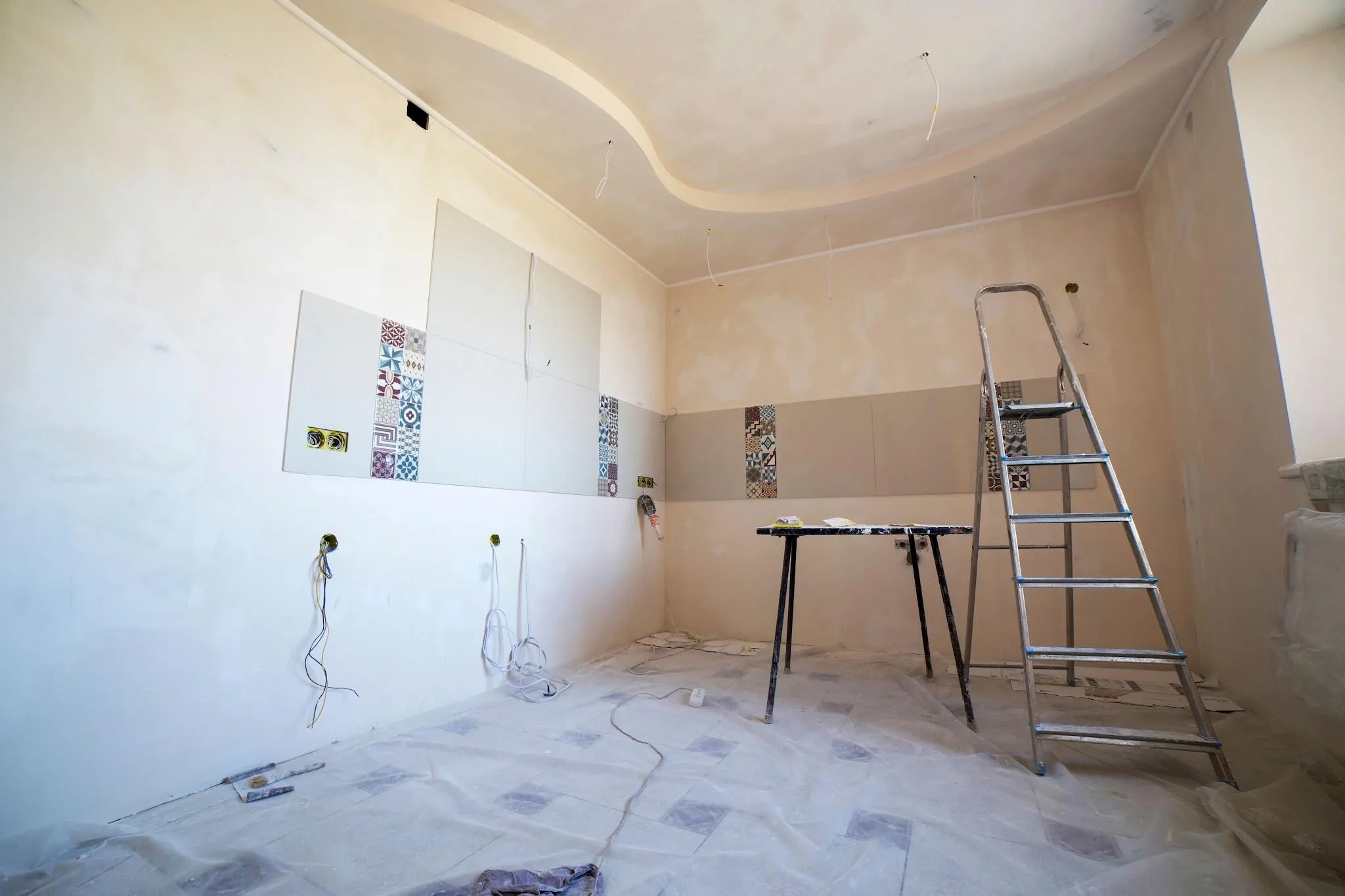
Home remodeling brings excitement and fresh beginnings to any property. Upgrading a kitchen or adding a new room increases your comfort and property value. Still, the process often disrupts quiet spaces where bugs like to hide..
Opening up old walls can release pests into your active living areas. Planning prevents uninvited guests from ruining your gorgeous new space. Taking proactive steps during construction keeps your house safe from unwanted critters. A systematic plan saves you from future troubles.
Inspect Your Structure Early
Before the crew arrives with heavy tools, look closely at your foundation. Many insects nest quietly inside crawlspaces and behind old wooden paneling. Spotting the issues before installing new materials prevents future headaches. A quick inspection saves you from ripping out fresh drywall down the road.
An industry guide suggested scheduling an evaluation before any construction begins to spot hidden wood pests. Identifying active nests before sealing the walls saves thousands of dollars. Professional advice helps you design a defense plan before the actual remodeling starts.
Taking time for an early check saves your new drywall from damage. It is much easier to treat empty frames than finished rooms. Homeowners who skip this step often regret the oversight later.
Address Hidden Termite Activity
Wood-destroying insects love old, damp framing studs. When remodeling starts, colonies often migrate to drier parts of your home. Protecting the wooden frame of your house must happen before cosmetic work begins. New lumber provides an attractive food source for hungry pests.
Tearing down old drywall often exposes active colonies that remained hidden for years. If you uncover damaged wood, booking a Professional Termite Treatment in Columbus safeguards your home from expensive structural damage. Addressing the issue early saves time and money before the remodeling finishes.
A proactive step prevents termites from chewing through brand-new structural beams. New lumber is expensive, so guarding it is a top priority. Your local exterminator can apply protective barriers directly to exposed wall studs.
Seal All Ground Gaps
Renovations often create temporary openings that invite rodents and bugs. Drafty crawlspaces and missing mortar joints are easy doorways for pests. Securing entry points keeps your living spaces pest-free. Even small cracks can admit a surprising number of insects.
A British pest control study advised prioritizing low-level gaps such as those near utility pipes and basement window frames. Lower entry zones are the first places crawling insects seek shelter.
Make sure to check where new plumbing lines pass through exterior walls. Small holes around copper pipes allow mice to squeeze inside easily. Tight seals on the ground level keep the entire house secure.
Manage Waste and Remnants
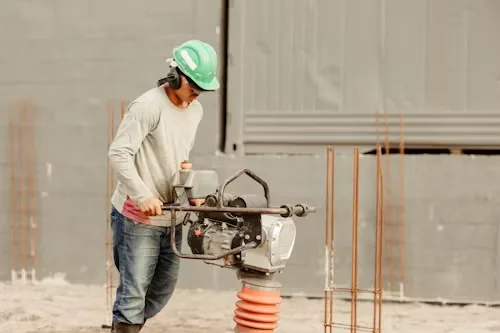
Construction sites generate a massive amount of trash and organic waste. Leftover wood piles and lunch scraps draw pests to your yard. Keeping a tidy workspace prevents pests from finding easy food. A messy yard invites pests to settle in permanently.
Remodeling debris acts like a magnet for nesting insects and rodents. Keeping your job site clean requires managing specific materials:
- Scrap lumber and drywall pieces
- Empty food containers from workers
- Cardboard packaging from new fixtures
Clearing the piles daily prevents pests from establishing nesting grounds near your main entrance. Renting a covered dumpster helps protect your waste from scavengers. A clean site protects the workers and your house.
Utilize Smart Detection Tools
Modern pest management relies on more than just physical traps. New technology helps homeowners track pest movements behind closed walls. Using advanced tools gives you a clear picture of hidden activity. You can find colonies without tearing down perfectly good plaster.
A modern tech journal explained how digital sensors and tracking systems make modern pest elimination much more precise. Smart monitors track heat signatures and subtle vibrations inside wall cavities.
The high-tech approach means fewer chemicals are needed inside your living spaces. You can monitor the health of your home through a phone application. It is a smart upgrade for any modern remodeling project.
Schedule Final Perimeter Inspections
Once the drywall is painted and the floors are installed, the work is almost complete. Still, the outer boundary of your home needs a final review. Heavy machinery can disturb the soil barriers that protect your foundation.
Applying a fresh protective barrier around the new addition is a smart move. A chemical or physical shield blocks bugs from crossing into your new rooms. It completes the pest-proofing process and secures your hard work. A strong barrier stops insects before they ever reach your walls.
A qualified inspector can verify that no new entry points were created during construction. They will check the vents, siding joints, and rooflines for tiny gaps. A thorough walk-through completes your renovation on a positive note
.
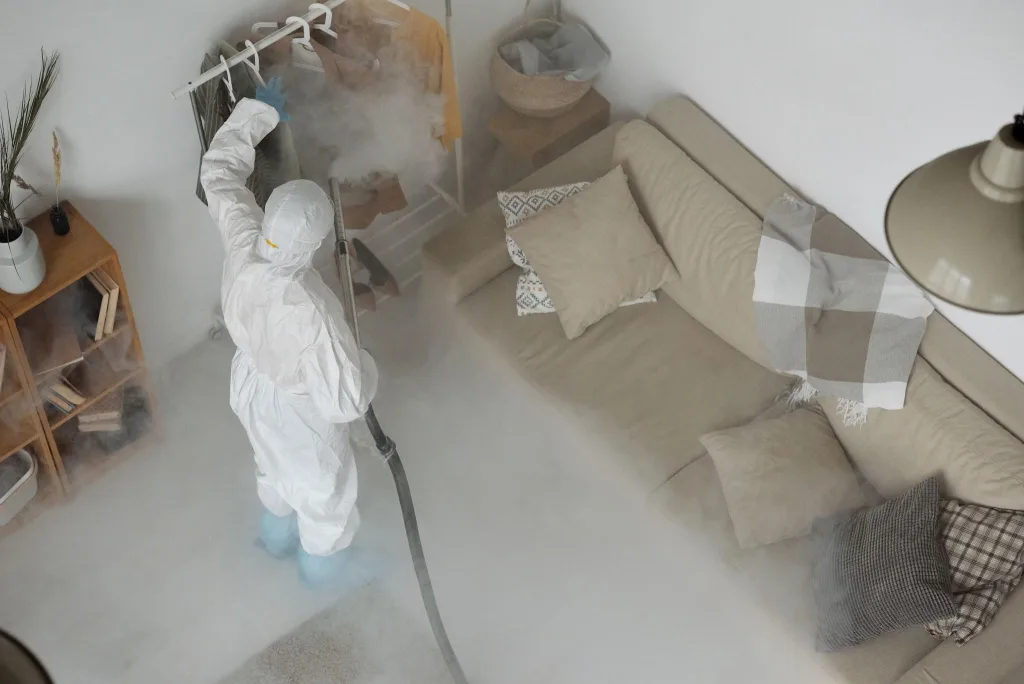
A home renovation is a major financial and emotional investment. Protecting that investment from insects and rodents makes perfect sense. By planning, you shield your beautiful new space from damage. A proactive strategy keeps your home beautiful and structurally sound.
Enjoying your updated rooms is much better when you know they are secure. Taking simple steps during construction keeps your home safe and clean. Your hard work deserves a strong, pest-free foundation.