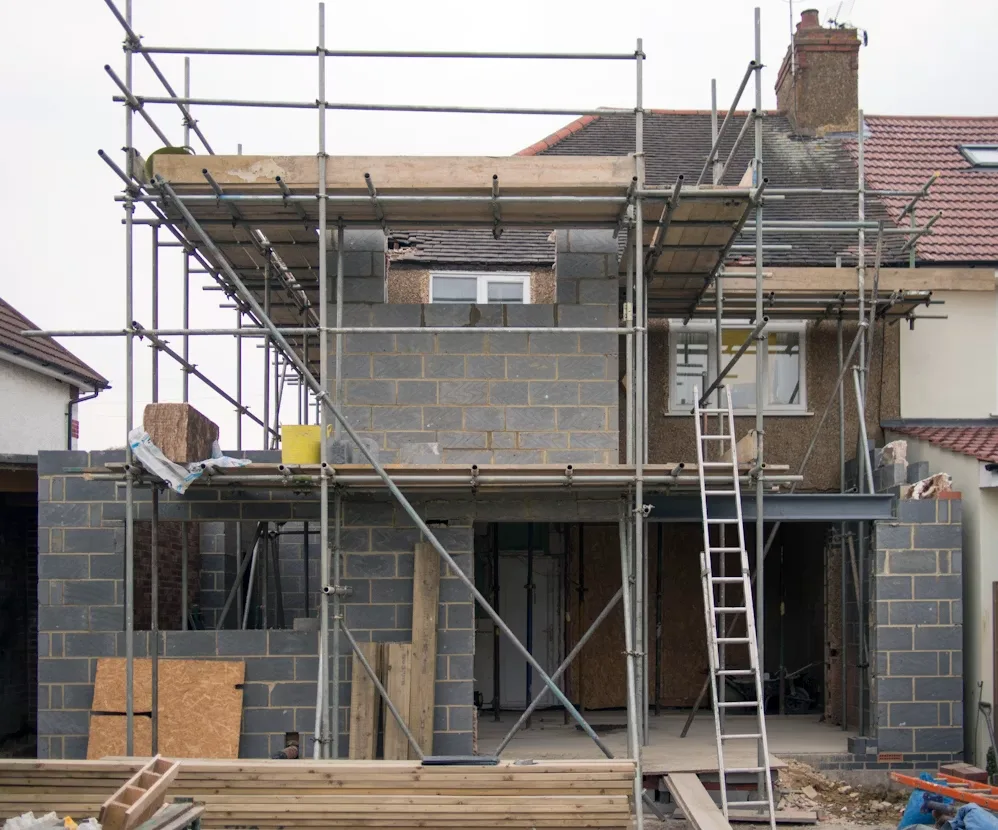
Turning a house into a dream space requires a clear vision and steady steps. Many homeowners jump into changes without a solid plan, creating unnecessary stress.
A successful upgrade requires balancing style with practical choices. When people focus on the right details, the process runs smoothly and rewards the effort. Preparing early prevents common mistakes and helps manage the budget effectively.
Establish a Clear Project Vision
Home upgrades start with defining what needs to change. Selecting a reliable roofing company or finding the right designer keeps the project on track from day one. Clear goals help everyone involved understand the final look. This initial stage sets the tone for all future decisions.
Sketching layouts or gathering photos helps communicate ideas clearly. Taking time to visualize the outcome prevents confusion when meeting with contractors later. A solid plan reduces changes during active construction.
Outline Specific Remodeling Goals
According to a consumer resource publication, the initial step requires developing a firm idea of what the renovation should achieve. Homeowners should list priorities by separating urgent fixes from purely cosmetic updates. This structural approach keeps expectations realistic.
Track the Growing Remodeling Industry
The remodeling sector continues to grow across the country. Data from a residential construction group reveals that the United States now has 128,187 remodeling establishments. This number reflects a significant interest in home updates.
Homeowners invest heavily in maintaining their living spaces. A study by the Remodeling Futures Program highlights that the nation spends more than $600 billion every year on home maintenance and improvement. These figures show that maintaining a modern property is a major financial priority for property owners.
Select High-Quality Materials for Longevity
Choosing durable products protects the property structure. An article by a tile trade group notes that tile roofs offer excellent energy efficiency for steep slope properties. These materials protect the interior and reduce monthly utility bills.
Other specialized options work well for flat structures. A report from a vinyl roof association states that PVC membrane roofing delivers a high-performing solution for low slope surfaces. Selecting the proper material shields the building from harsh weather elements.
Focus on Routine Exterior Maintenance
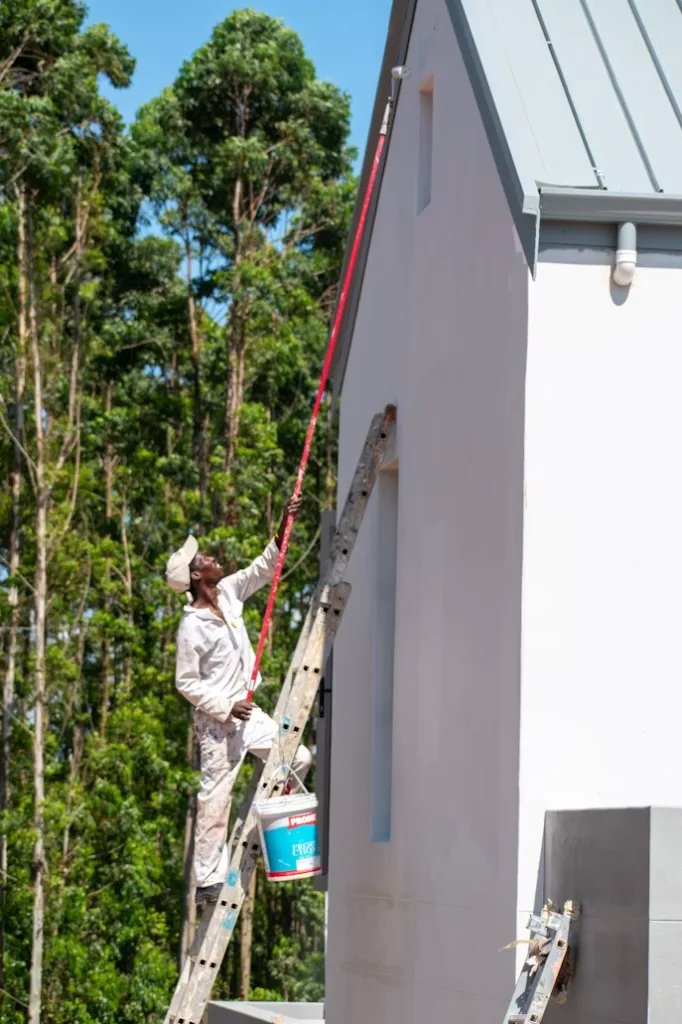
Exterior surfaces require regular checkups to prevent major damage. An educational piece by a roofing contractors association mentions that system maintenance represents the most neglected part of property management. Small leaks quickly turn into expensive structural issues.
Property owners should track specific components regularly:
- Inspect gutters for debris blockages.
- Check for cracked or missing surface pieces.
- Look for signs of water pooling on flat sections.
- Clear overhanging tree branches away from the structure.
Modernize Workflows with Digital Solutions
Technology helps contractors deliver accurate project estimates. A digital platform overview indicates that modern software streamlines roofing workflows through precise measurements and professional presentations. Homeowners get a clear picture of costs before any physical labor begins. Digital tools reduce human error during the planning phase.
Manage Budgets and Expect the Unexpected
Every major project needs a financial safety net. Setting aside 15% to 20% of the total budget covers surprise expenses. Hidden issues like old wiring or rotten wood often appear after tearing down walls – these surprises can derail a strict timeline. Staying flexible prevents panic when these adjustments occur.
Communication keeps the financial plan balanced. Discussing cost limits with the crew prevents unexpected bills. Weekly updates keep expenses visible and predictable.
Improve Interior Flow and Natural Light
Designing open spaces changes how a home feels. Removing non-load-bearing walls creates a spacious environment. This method allows natural light to reach darker rooms.
Larger windows invite the outside environment indoors. Selecting energy-efficient glass keeps the interior temperature stable. Strategic placement maximizes daylight during winter months.
Coordinate Timelines with Professional Teams
Scheduling requires careful coordination between different trades. Plumbers, electricians, and painters must work in a specific order. Delays in one area can disrupt the entire schedule.
A detailed calendar keeps the team accountable. Discussing milestones keeps everyone working toward the same completion date. Prepared homeowners experience far fewer delays.
Maximize Energy Efficiency and Insulation
Green upgrades save money over the long term. Adding thick insulation to the attic prevents heat from escaping during cold months. This simple change reduces the strain on heating systems.
Upgrading appliances to modern models cuts electricity use. Smart thermostats learn daily schedules to optimize energy consumption. These choices create a sustainable home that costs less to operate.
Choose the Right Colors and Textures
Paint selections completely alter the mood of a room. Neutral tones make small spaces feel much larger. Bold accents add personality without overwhelming the eye.
Mixing different textures adds depth to the design. Combining smooth wood with matte metal fixtures creates a balanced appearance. Testing paint samples on walls prevents color regrets later.
A beautiful home transformation rewards patience and careful planning. Focusing on quality materials and clear communication turns a stressful project into a smooth process. Every smart choice protects the property value for years ahead. Property owners enjoy their refreshed spaces knowing the foundation is secure and stylish.