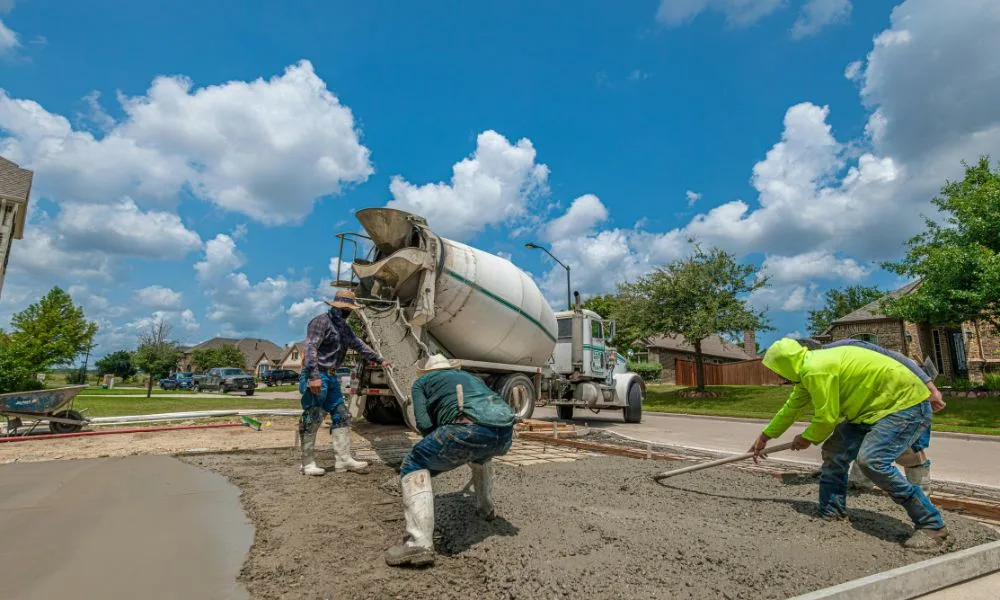
Concrete is one of the most widely used construction materials in the world, forming the backbone of everything from sidewalks to skyscrapers. But behind every smooth slab or polished floor is a range of powerful machines designed to mix, move, shape, and finish concrete efficiently. Understanding concreting machinery can help contractors, builders, and even DIY enthusiasts choose the right tools and achieve better results.
Why Concreting Machinery Matters
Modern construction relies heavily on machinery to improve speed, consistency, and safety. Tasks that once took hours of manual labor—like leveling, grinding, or cutting—can now be completed in a fraction of the time with better precision. These machines not only boost productivity but also ensure higher-quality finishes and reduce physical strain on workers.
Key Types of Concreting Machinery
1. Concrete Mixers
Concrete mixers are essential for combining cement, water, and aggregates into a uniform mixture. They range from small portable mixers for residential jobs to large industrial mixers used in commercial construction.
Mixers ensure consistency in the concrete blend, which is critical for structural strength. Without proper mixing, the final structure may develop weak spots or cracks over time.
2. Concrete Grinders
Concrete grinders are used to smooth, level, and polish surfaces. These machines use rotating abrasive discs to remove imperfections, coatings, or uneven areas.
Types of Concrete Grinders
- Handheld grinders: Ideal for tight spaces and detailed work like edges and corners
- Walk-behind grinders: Designed for larger floor areas and consistent surface preparation
- Ride-on grinders: Best suited for large industrial spaces, offering efficiency and reduced operator fatigue
Grinding is a crucial step in preparing concrete for coatings or polishing, as it creates a smooth and even base.
3. Concrete Saws
Concrete saws are used to cut through hardened concrete, asphalt, and masonry. These machines can be handheld or large walk-behind units, depending on the scale of the project.
They typically use diamond blades to handle tough materials and are essential for tasks like creating expansion joints or removing damaged sections.
4. Power Trowels
Power trowels are used to finish concrete surfaces after pouring. They help create a smooth, dense, and level finish by rotating blades across the surface.
These machines are especially important for large slabs, such as warehouse floors, where a uniform finish is critical.
5. Concrete Vibrators
Concrete vibrators remove air pockets trapped in freshly poured concrete. By vibrating the mixture, they ensure proper compaction, which increases strength and durability.
Without vibration, concrete can develop voids that weaken the structure and reduce its lifespan.
6. Concrete Pumps
Concrete pumps transport liquid concrete from the mixer to the desired location. They are especially useful for high-rise buildings or hard-to-reach areas.
Using pumps reduces manual handling and ensures faster, more accurate placement.
7. Surface Preparation Equipment
Surface preparation tools include scarifiers, shot blasters, and polishing machines. These are used to clean, texture, or refine concrete surfaces before applying coatings or finishes.
Concrete grinding, honing, and polishing are typically done in stages to achieve the desired look and durability.
How Concreting Machinery Works Together
Each machine plays a specific role in the concreting process, and they are often used in sequence:
Step 1: Mixing
Concrete mixers create a consistent blend of materials.
Step 2: Transporting
Pumps or trucks move the concrete to the construction site.
Step 3: Pouring and Leveling
Workers pour the mixture and use tools to spread it evenly.
Step 4: Compacting
Vibrators remove trapped air and strengthen the structure.
Step 5: Finishing
Power trowels smooth the surface, while grinders refine it further.
Step 6: Cutting and Detailing
Saws are used for joints, shaping, or repairs.
This coordinated use of machinery ensures efficiency and high-quality results.
Choosing the Right Machinery
Selecting the right equipment depends on several factors:
Project Size
Small projects may only require handheld tools, while large-scale construction demands heavy-duty machinery.
Surface Requirements
If a polished finish is needed, grinders and polishers are essential.
Accessibility
Tight or enclosed spaces may require compact or handheld equipment.
Power Source
Machines can be electric, gasoline-powered, or hydraulic, depending on the job site conditions.
Matching the machinery to the task helps avoid delays and ensures better outcomes.
Safety Considerations
Working with concreting machinery involves risks, especially due to dust, noise, and heavy equipment. Concrete dust, which contains silica, can be harmful if inhaled, making proper protective gear essential.
Operators should always use:
- Respirators or masks
- Eye and ear protection
- Gloves and safety boots
Proper training and adherence to safety guidelines are critical for preventing accidents.
Conclusion
Concreting machinery has transformed the construction industry by making processes faster, safer, and more precise. From mixers and pumps to grinders and saws, each piece of equipment plays a vital role in shaping durable and visually appealing structures. Understanding how these machines work—and when to use them—can make a significant difference in the success of any project. Whether you’re tackling a small renovation or a large-scale build, the right machinery is the foundation of quality concrete work.