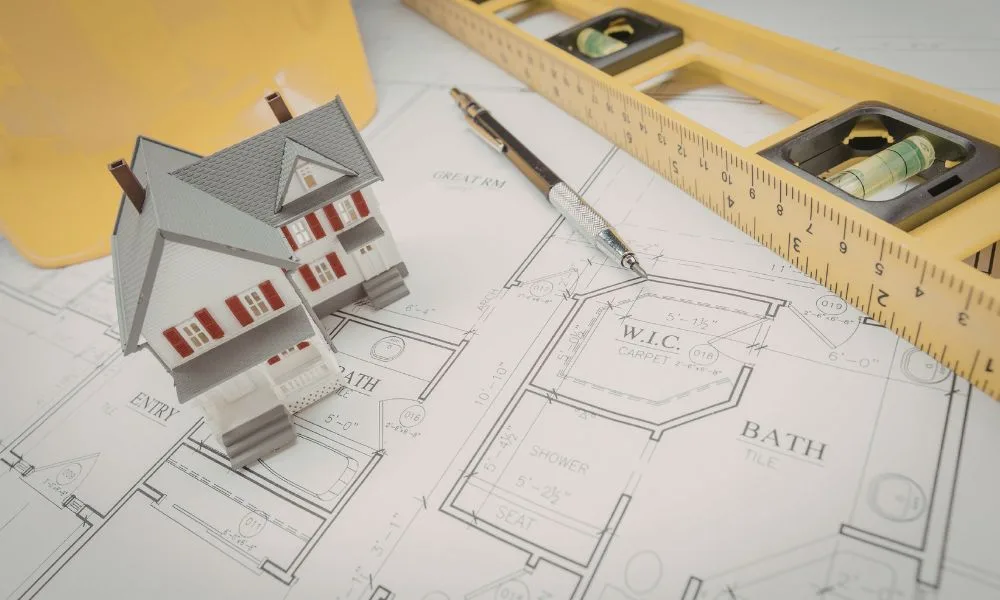
Building a home is one of the biggest financial and personal investments most people will ever make. While materials, finishes, and exterior design often get the most attention, the foundation of every successful home project begins with something less glamorous but far more important: the floor plan.
A floor plan is more than just a drawing. It is the blueprint that guides how a home functions, how people move through it, and how spaces connect with one another. Architects, builders, interior designers, and homeowners all rely on floor plans to visualize and organize a construction project before work even begins. Without a well-designed floor plan, even the most beautiful house can feel uncomfortable, inefficient, or difficult to live in. In modern home construction, thoughtful planning has become essential not only for comfort and practicality but also for cost control, long-term flexibility, and overall property value.
Understanding What a Floor Plan Does
A floor plan is a scaled, top-down representation of a building’s layout. It shows walls, doors, windows, room dimensions, and how spaces relate to one another. In many cases, it also includes furniture placement, staircases, storage areas, and utility zones. Many homeowners also review different floor plan examples during the design stage to better understand how layouts function in real living situations.
The purpose of a floor plan is to provide a clear visual guide before construction starts. It allows homeowners and contractors to identify potential issues early, reducing costly mistakes later in the process. According to architectural and construction resources, floor plans are considered one of the most important tools in residential design because they establish the entire structure’s spatial logic.
Looking at various floor plan examples can also help homeowners compare open-concept layouts, multi-story designs, and space-saving configurations before committing to a final blueprint. In simple terms, the floor plan determines how the home will actually feel to live in every day.
Floor Plans Improve Functionality and Flow
One of the biggest reasons floor plans matter is functionality. A home may have large rooms and expensive finishes, but if the layout does not work well, daily living becomes frustrating.
Good floor plans create smooth movement between spaces. Kitchens connect logically to dining areas, bedrooms remain private from busy living spaces, and bathrooms are positioned conveniently. Designers often refer to this as “flow,” meaning how naturally people move through a home.
Poor planning can create awkward hallways, cramped rooms, or wasted areas that serve little purpose. For example, a kitchen placed too far from the dining room may become inconvenient, while poorly positioned windows can reduce natural light and ventilation.
Modern homeowners are also placing greater emphasis on zoning within floor plans. Zoning separates public spaces from private ones, helping homes feel more organized and comfortable. Interior design experts increasingly emphasize zoning as essential for balancing openness with privacy.
Floor Plans Help Control Construction Costs
Many people underestimate how much a floor plan affects the overall cost of construction. Decisions about room size, wall placement, plumbing systems, and structural layouts all influence material requirements, labor, and timelines.
A well-planned layout can reduce unnecessary expenses by:
- Minimizing wasted space
- Improving structural efficiency
- Simplifying plumbing and electrical systems
- Reducing construction errors
- Improving energy efficiency
For example, grouping bathrooms and kitchens near each other can lower plumbing costs because pipes and drainage systems become easier to install. Similarly, efficient layouts reduce the need for excessive hallways or unused corners.
Construction professionals frequently note that changing layouts after construction begins is one of the fastest ways to increase costs. A detailed floor plan helps avoid these expensive mid-project adjustments.
Better Communication Between Homeowners and Builders
Home construction involves many different professionals, including architects, engineers, contractors, electricians, and interior designers. A floor plan acts as a shared visual language that keeps everyone aligned throughout the project.
Without clear plans, misunderstandings can easily occur. Room dimensions may be interpreted incorrectly, wall placements may shift, or furniture layouts may not fit as expected. Detailed floor plans help reduce confusion and ensure everyone understands the project goals from the beginning.
Floor plans also help homeowners communicate their ideas more effectively. Many people struggle to explain how they want their home to feel, but visual layouts make those conversations easier and more practical.
This collaborative aspect is especially important during renovations and custom home projects, where changes often happen throughout the planning process.
They Help Homeowners Visualize Their Future Home
One reason floor plans are so valuable is that they allow homeowners to imagine daily life before construction begins.
People can evaluate whether bedrooms feel private enough, whether the kitchen has sufficient storage, or whether the living room will comfortably fit furniture. This visualization process helps homeowners make informed decisions early rather than discovering problems after moving in.
Real estate professionals also note that floor plans significantly influence how buyers perceive homes online. Many buyers rely heavily on layouts when deciding whether to visit a property in person.
As digital home planning tools continue improving, homeowners now have access to 2D and 3D floor plan software that makes visualization even more realistic.
Adapting to Modern Lifestyle Changes
Home design trends continue evolving, and floor plans play a major role in adapting to changing lifestyles.
In recent years, remote work, hybrid schedules, and flexible living arrangements have influenced how homes are designed. Many families now prioritize:
- Home offices
- Flexible rooms
- Multi-purpose spaces
- Larger kitchens
- Private quiet areas
- Indoor-outdoor living spaces
Recent design trends also show a shift away from purely open-concept layouts toward more balanced floor plans that offer both openness and privacy.
For example, while open living areas remain popular for entertaining and family interaction, many homeowners now prefer dedicated rooms for work, study, or relaxation. This shift demonstrates how important adaptable floor plans have become in modern construction.
Floor Plans Influence Comfort and Natural Light
A good floor plan does more than organize rooms. It also affects comfort, lighting, ventilation, and the emotional feel of a home.
The placement of windows, doors, and open spaces determines how sunlight enters throughout the day. Proper layouts improve airflow, reduce dark areas, and create a more pleasant indoor environment.
Architects often design floor plans around natural light because it can significantly influence mood, energy efficiency, and overall comfort. Homes with thoughtful layouts often feel larger, brighter, and more welcoming even without increasing square footage.
Poorly planned layouts, on the other hand, can make homes feel crowded or disconnected regardless of size.
Flexibility for the Future
One of the smartest aspects of modern floor planning is future flexibility. Families grow, lifestyles change, and housing needs evolve over time.
Flexible floor plans allow homeowners to adapt spaces more easily without major renovations. A guest room may later become a nursery, office, or gym. Open flex spaces can evolve with changing family needs.
Architectural experts increasingly recommend designing homes with long-term adaptability in mind. Features such as wider hallways, accessible bathrooms, and multi-functional rooms help homes remain practical for many years.
This future-focused approach not only improves livability but can also increase resale appeal.
The Foundation of Every Successful Home
At its core, a floor plan is the foundation of a home’s functionality, comfort, and efficiency. It shapes how people experience a space every single day, influencing movement, privacy, lighting, storage, and overall quality of life.
While exterior finishes and decorative details may attract attention, the layout is what determines whether a home truly works for the people living in it. Thoughtful floor plans help reduce construction mistakes, improve communication during building, control costs, and create spaces that adapt to changing lifestyles.
In modern home construction, having a strong floor plan is not simply helpful. It is essential.