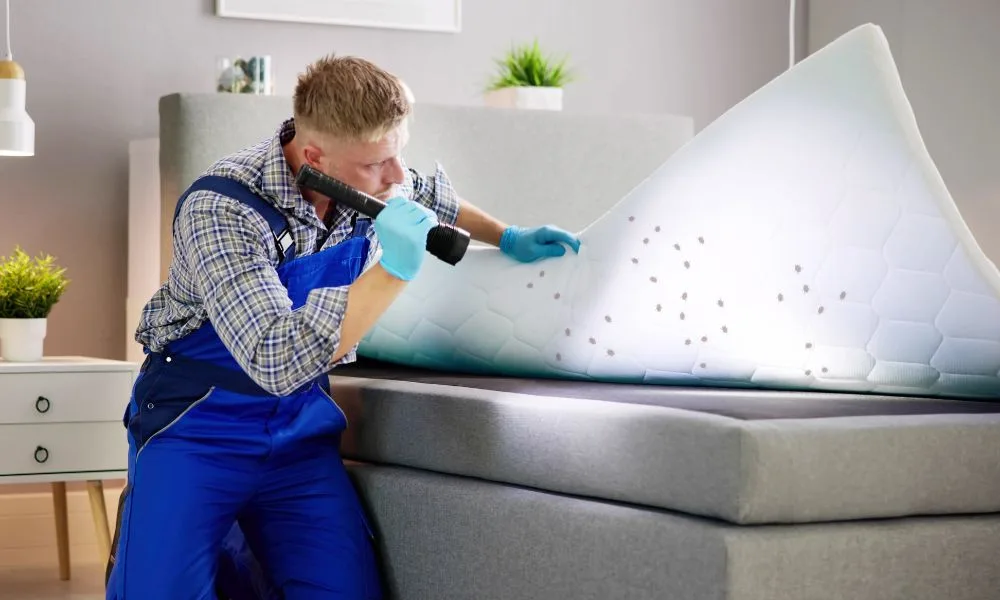
Bed bugs are one of those problems most people don’t think about until they actually face them. And once they appear, the first instinct is usually to deal with it quickly using whatever is available at home.
A quick search online brings up sprays, cleaning hacks, and DIY remedies that seem simple enough. But in reality, bed bug infestations are rarely that straightforward.
So the real question becomes: do DIY treatments actually work, or is professional intervention eventually necessary?
Why Bed Bugs Are So Difficult To Eliminate
Part of the challenge is that bed bugs don’t behave like typical household pests.
They are rarely seen in the open. Instead, they hide in areas that are easy to miss, such as:
- mattress seams
- furniture joints
- bed frames and headboards
- small wall cracks and crevices
On top of that, their life cycle makes them difficult to fully eliminate. Even if visible bugs are removed, eggs may still remain hidden and hatch later — which is often why infestations appear to “come back”.
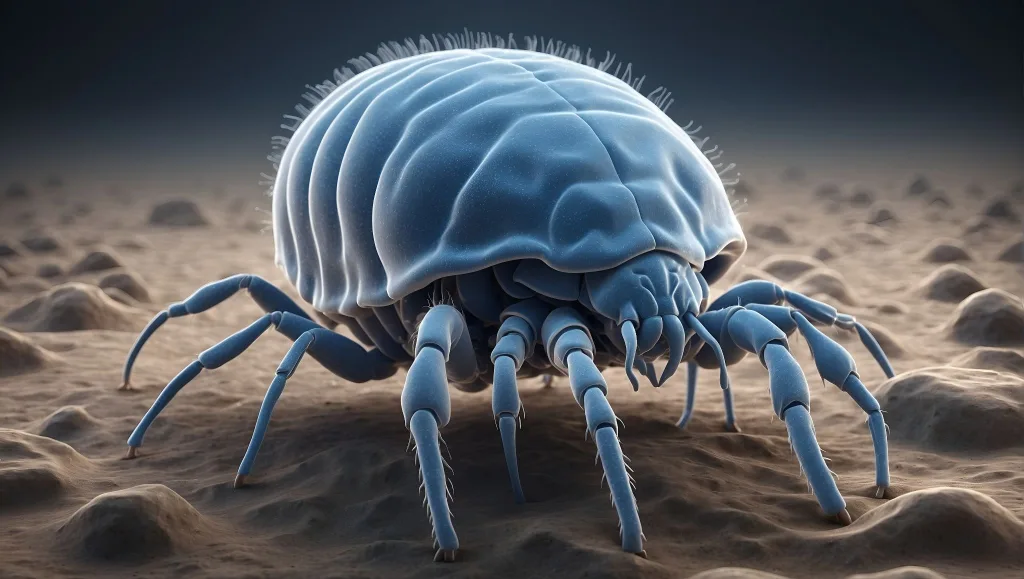
What Most People Try First (DIY Treatments)
When bed bugs are first noticed, most people try a combination of DIY methods such as:
- over-the-counter insect sprays
- washing bedding and clothes at high temperatures
- vacuuming mattresses and furniture
- natural remedies like vinegar or essential oils
These steps make sense as an immediate response, because they are accessible and can reduce visible activity.
In early or minor cases, DIY efforts may help lower the number of bugs temporarily.
Limitations of DIY Bed Bug Treatments
The main issue with DIY methods is coverage.
Bed bugs are not limited to visible areas. They often spread into:
- deep furniture cracks
- hidden fabric seams
- behind skirting boards or fixtures
- multiple rooms in the home
This means surface-level cleaning may only address part of the problem.
As a result, many homeowners notice that while the situation improves temporarily, the infestation often returns after a short period.
How Professional Bed Bug Control Is Different
Professional bed bug treatment focuses less on surface cleaning and more on identifying and eliminating the full extent of the infestation.
Instead of targeting only visible areas, the process typically involves:
- detailed inspection to locate infestation zones
- targeted treatment based on severity and spread
- use of chemical or heat-based methods depending on situation
- follow-up treatment to address newly hatched eggs
Understanding how bed bug treatment works makes it clearer why a single round of DIY cleaning is often not enough for complete elimination.
The goal is not just to reduce activity, but to break the entire life cycle of the infestation.

Best Professional Bed Bug Control in Singapore
1. Ninja Pest
Ninja Pest provides structured bed bug inspection and treatment services in Singapore, focusing on identifying both visible and hidden infestations before applying targeted treatment methods.
Their approach typically includes:
- detailed inspection to assess infestation severity
- targeted chemical or heat-based treatment depending on the situation
- treatment plans designed to address both adult bed bugs and eggs
- follow-up support to reduce the risk of re-infestation
They are often engaged in cases where bed bug issues persist despite initial DIY attempts, or where infestations are suspected to have spread across multiple areas of the home.
Best for:
Homeowners dealing with recurring or widespread bed bug infestations that require structured inspection and multi-step treatment.
Things to consider:
Multiple sessions may be required, depending on how deeply the infestation has spread and whether eggs are present in hidden areas.
2. Rentokil
Rentokil is a global pest control provider offering professional bed bug treatment services across residential and commercial properties.
Their services typically include:
- pest inspection and identification
- standardised treatment protocols
- integrated pest management approaches
- scheduled follow-up services
Best for:
Users who prefer an established international pest control provider with structured processes.
Things to consider:
Service approach is often standardised across cases, with less customisation depending on situation.
3. Ironman Pest Control
Ironman Pest Control provides pest management services in Singapore, including treatment for bed bug infestations in residential settings.
Their services typically include:
- inspection and assessment
- chemical-based pest treatment
- residential pest control solutions
- follow-up treatment options
Best for:
Homeowners looking for direct residential pest treatment services.
Things to consider:
Effectiveness may depend on infestation scale and accessibility of affected areas.
4. Pestopia SG
Pestopia SG offers pest control services that include bed bug treatment for homes and commercial spaces.
Their approach generally includes:
- inspection and site assessment
- targeted pest treatment
- treatment planning based on infestation level
- post-treatment advice and support
Best for:
Homeowners looking for flexible pest control services for moderate infestations.
Things to consider:
Severe infestations may require multiple treatment sessions for full resolution.
Honest Customer Experience
While comparing bed bug treatment services, many homeowners find that the experience after engagement often reveals more than the initial consultation or treatment plan.
Beyond pricing and methods, what tends to matter most in real situations is:
- consistency across visits
- attention to detail during treatment
- how thoroughly affected areas are checked
- whether follow-up treatment is handled properly
One homeowner shared their experience with Ninja Pest:
“Engaged Ninja recently to deal with a bed bug problem. Shane Loh did a great job. He is meticulous, flipping over every item to treat them and doing it diligently instead of just going through the motions. Returned for the second follow up job and did it just as well.”
What stands out in this case is not just the outcome, but also the level of care during execution — particularly in how thoroughly each area was inspected and treated, even during follow-up visits.
This kind of consistency is often what determines whether a treatment feels complete or partial in practice:
- first visits address the visible issue
- follow-ups help confirm that hidden areas are also resolved
- attention to detail reduces the chances of recurrence
Over time, homeowners tend to judge pest control services less by the initial visit and more by whether the issue stays resolved after the team has left.
That is usually where the real difference becomes clear.
DIY vs Professional Treatment (In Real Terms)
Rather than viewing it as “good vs bad,” it is more accurate to see it as scope-based.
DIY methods are suitable for:
- early-stage or minor infestations
- temporary reduction of visible bed bugs
- immediate response while assessing the situation
Professional treatment becomes necessary when:
- infestations have spread across multiple areas
- bites continue despite cleaning efforts
- bed bugs keep returning
- hidden nesting areas are suspected
The key difference is often the extent of infestation coverage.
When DIY Stops Being Enough
One of the challenges with bed bugs is timing. Early signs are often underestimated, and by the time they become obvious, the infestation may already be widespread.
At that stage, DIY efforts may reduce surface activity but fail to address hidden populations.
This is usually where professional intervention becomes necessary to fully break the infestation cycle.
Final Thoughts
DIY bed bug treatments can be useful in the early stages and for immediate response.
However, bed bugs are persistent pests, and their ability to hide and reproduce makes complete elimination difficult without structured treatment.
In most cases, the key difference is not effort, but coverage — whether the treatment reaches all infestation areas, including those that are not immediately visible.