A well-designed home should make everyday life easier without sacrificing comfort or personal style. From arranging furniture to choosing lighting and adding useful technology, small changes can make a noticeable difference in how a space looks and feels. Modern homeowners are also finding creative ways to use digital tools when planning their interiors. For example, watching home improvement tutorials can help you understand different layouts, while tools that let you add subtitles to video online make instructional videos easier to follow, especially when learning about furniture placement, lighting, or DIY projects. The goal of smart home design is simple: create a living space that supports your daily routine, feels welcoming, and works well for everyone in the household.
What Is Smart Home Design?
Smart home design combines practical interior planning with technology that improves convenience, comfort, and everyday living. It goes beyond installing connected devices. A thoughtfully designed home considers how people move between rooms, where they spend their time, and which features make daily activities easier.
For example, a living room with adjustable lighting, comfortable seating, and hidden storage can serve several purposes. It might be a quiet reading area during the afternoon, a workspace when needed, and a place for family gatherings in the evening.
The best designs balance technology with familiar comforts. Smart devices should support your lifestyle rather than make simple tasks more complicated.
1. Choose Furniture That Serves Multiple Purposes
Furniture plays a major role in making a home comfortable and functional. When space is limited, choosing pieces that serve more than one purpose helps reduce clutter. A sofa bed can turn a living room into a temporary guest bedroom. Storage ottomans provide extra seating while keeping blankets, magazines, and other items out of sight. Extendable dining tables are useful for households that occasionally entertain guests.
Before buying furniture, measure the available space and consider how often each item will be used. Oversized pieces can make a room feel crowded, while furniture that is too small may leave the space looking unfinished.
Choose pieces that fit the room and leave enough space for people to move around comfortably.
2. Use Smart Lighting to Improve Comfort
Lighting affects how a room looks, how comfortable it feels, and how well it supports different activities.
Smart lighting systems allow homeowners to adjust brightness, set schedules, and control lights through mobile apps or voice commands. Some smart bulbs also offer adjustable colour temperatures, making it easier to switch between warm evening lighting and brighter light for focused tasks.
Consider using different types of lighting throughout your home:
- Ambient lighting: Provides general illumination for everyday activities.
- Task lighting: Helps with reading, cooking, studying, and working.
- Accent lighting: Highlights artwork, shelves, or architectural details.
Natural daylight matters too. Keep windows clear of bulky furniture and choose curtains that allow sunlight to enter while maintaining privacy.
3. Create an Open and Practical Living Room Layout
The living room is often the busiest area of a home. It may be used for relaxing, entertaining guests, watching television, and spending time with family. Start by identifying the room’s main purpose. If conversation is important, arrange sofas and chairs so people can face one another. For entertainment-focused spaces, position seating where everyone has a comfortable view of the television. Avoid placing large furniture directly in walking paths. Leave enough room between tables, sofas, and doorways for easy movement.
Area rugs can help define seating zones, especially in open-plan homes. A rug that extends beneath the front legs of major furniture pieces often makes the arrangement feel more connected.
Keep frequently used items within reach, and use closed storage to prevent everyday belongings from taking over the room.
4. Add Smart Technology That Makes Daily Tasks Easier
Technology can improve home comfort when it solves a genuine problem. A smart thermostat, for example, can follow a heating and cooling schedule based on household routines. Smart plugs can switch compatible appliances on or off remotely, while connected door locks can provide convenient access for family members. Voice assistants can also help control compatible lighting, music, and other connected devices. Before purchasing smart technology, check whether it works with your existing devices and internet connection. Look for products with clear privacy settings, regular security updates, and straightforward controls.
You do not need to automate every part of your home. Start with one or two devices that address everyday needs and add more only when they offer a clear benefit.

5. Make the Kitchen More Organised and Accessible
A functional kitchen makes cooking, cleaning, and food preparation less stressful.
Begin by keeping frequently used utensils close to the areas where they are needed. Store pots and pans near the stove, place cutting boards close to preparation surfaces, and keep everyday dishes within easy reach. Drawer organisers, pull-out shelves, and vertical dividers can help make better use of cabinets. Under-cabinet lighting is another practical addition. It brightens work surfaces without requiring major changes to the kitchen. For households with limited counter space, wall-mounted racks and magnetic knife holders can free up valuable room. However, keep sharp objects safely positioned, particularly in homes with children.
A well-arranged kitchen does not require expensive appliances or a complete renovation. Often, improving storage and accessibility is enough.
6. Design a Bedroom That Encourages Better Rest
A bedroom should feel peaceful and comfortable after a busy day. Start with a supportive mattress, suitable pillows, and breathable bedding. Choose curtains or blinds that provide enough darkness for sleeping, particularly if outdoor lighting enters the room at night. Warm bedside lighting can create a more relaxing atmosphere than bright overhead fixtures. Smart bulbs with scheduled dimming can help establish a consistent evening routine. Keep electronic devices and unnecessary furniture from crowding the room. If storage is limited, consider under-bed drawers, floating shelves, or bedside tables with compartments.
Soft textures, calming colours, and a tidy layout can make the bedroom feel inviting without adding excessive decoration.
7. Create a Comfortable Home Workspace
Working or studying from home becomes easier when you have a dedicated area for concentration. Choose a location with adequate lighting and minimal distractions. Position your desk near a window when possible, but avoid placing the computer screen where glare becomes a problem. A comfortable chair with suitable back support is worth prioritising, especially when you spend several hours sitting. Keep cables organised with clips or trays, and use shelves to store documents and office supplies.
In smaller homes, a foldable desk or compact workstation can provide a useful working area without permanently occupying valuable floor space.
8. Improve Storage Without Making Rooms Feel Crowded
Good storage is essential for maintaining an organised home. Instead of adding large cabinets everywhere, look for unused areas that can accommodate practical storage solutions. Floating shelves work well in kitchens, bedrooms, and living rooms. Built-in cupboards can make use of awkward corners, while baskets help organise smaller belongings. Entryways also benefit from thoughtful storage. A narrow shoe cabinet, wall hooks, and a small bench can prevent shoes, bags, and coats from piling up near the front door.
The aim is to give everyday items a convenient place so that keeping the home tidy requires less effort.
9. Bring Natural Elements Into Your Home
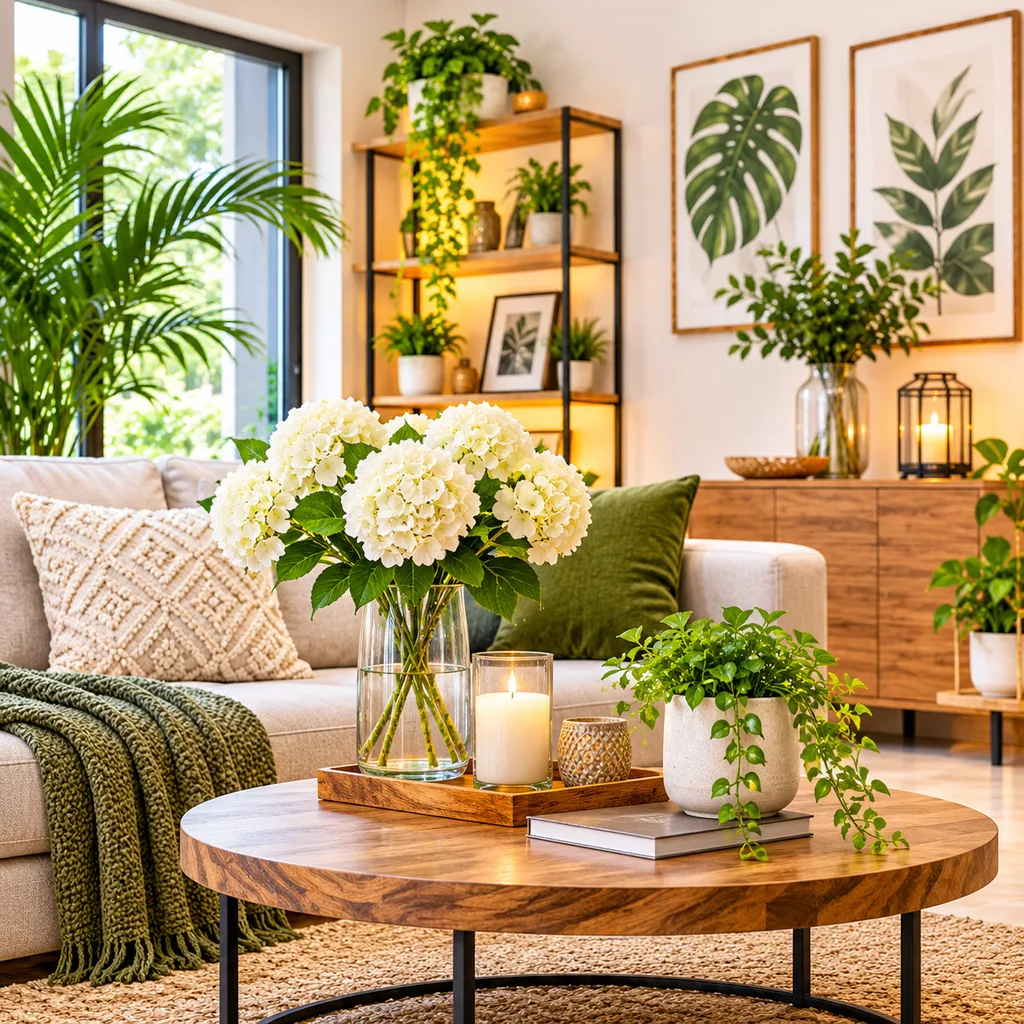
Natural materials and indoor plants can make a living space feel warmer and more welcoming. Wooden furniture, cotton fabrics, woven baskets, and stone accessories add texture without overwhelming a room. Indoor plants can also provide attractive decorative touches. Choose varieties that suit the available light and the amount of care you can provide.
If you have pets, check whether a plant is safe for them before bringing it indoors. You can also create a stronger connection with the outdoors by keeping windows unobstructed and using colours inspired by nature.
These details help create a comfortable atmosphere without depending on expensive decorative pieces.
10. Plan for Long-Term Comfort and Accessibility
A home should remain practical as household needs change. Consider choosing furniture with rounded corners, installing adequate lighting in hallways, and keeping walking areas free of obstacles. Non-slip flooring in bathrooms and kitchens can reduce the risk of falls. Lever-style door handles and easy-to-reach storage may also improve convenience for children, older adults, and people with limited mobility. When planning renovations, think about how rooms might be used several years from now. A spare bedroom could become a workspace, while an open area might eventually need additional storage. Flexible design choices can help your home adapt without requiring frequent major changes.