A furnace that stops producing heat can feel like a full-blown emergency, especially when winter temperatures dip below freezing, and your vents start pushing frigid air through the house. It’s enough to make anyone panic.
Figuring out what’s going on requires a calm, step-by-step approach to separate simple setting errors from serious mechanical failures that could compromise your household’s safety. Sometimes the fix is as straightforward as adjusting a thermostat setting or swapping out a clogged air filter that’s choking off airflow. Other times, the heating system deliberately shuts down because internal safety sensors detect a dangerous malfunction that could put your family at risk. Ignoring these warning signs can lead to tragic outcomes, much like the 624 accidental CO deaths recorded in the U.S. in 2022. You can take control of the situation by learning what to check safely and knowing exactly when it’s time to pick up the phone and call a licensed professional.
Start With the Simple Checks You Can Do Safely
Check the Thermostat Fan Setting
The most common (and most easily fixed) reason a heating system circulates unheated air is the fan setting on your wall thermostat. If it’s set to “ON,” the blower motor runs continuously, pushing room-temperature air through your ductwork even when the gas burners aren’t firing. Switching this setting back to “AUTO” ensures the fan only kicks on during an active heating cycle, preventing chilly drafts between cycles. Sound like a minor detail? It is, but misunderstanding this basic function causes unnecessary panic for a surprising number of homeowners who think their entire system has broken down.
In one recent incident, a minor equipment issue triggered major alarms: firefighters in Madison, Wisconsin, responded to a home where residents awoke to alarms and unusual smells, ultimately shutting off the gas supply to the boiler and opening windows to clear the air. Verifying your thermostat settings before doing anything else saves time, prevents unnecessary service calls, and gives you peace of mind that the home is safe.
Confirm the Temperature Setting and Mode
Beyond the fan controls, you should also verify that the thermostat is communicating the correct mode and temperature demands to the furnace. Double-check that the system mode is set to “HEAT” rather than “COOL” or “OFF,” since accidental bumps or power interruptions can easily change these digital settings without you realizing it. Raise the temperature setpoint several degrees above the current room temperature to force a new heating cycle to start right away.
If the screen is blank or unresponsive, you might just need fresh batteries. A dead thermostat can’t ignite the gas burners, but it’ll sometimes keep the fan running, creating the frustrating illusion that the system is working when it’s really not. Taking a methodical approach to these settings helps prevent more serious oversights. For example, a CO alarm in Marinette County alerted a family to elevated levels originating from a corroded, older-model gas boiler in their basement. Always confirm your control inputs are correct before assuming the furnace hardware itself is broken or dangerous.
Look at the Air Filter
A clogged or heavily soiled air filter creates a significant airflow restriction, forcing your furnace to work far harder than it was designed to. When cool air can’t flow freely into the return ducts, the internal heat exchanger overheats rapidly, triggering an automatic safety shutdown of the gas burners to prevent a fire hazard. Here’s the frustrating part: while the burners shut off as a protective measure, the blower fan often keeps running to cool down the overheated components, which means cold air blowing from your vents.
Regular maintenance, including frequent filter changes, helps prevent these overheating scenarios from developing in the first place. You should treat air restriction seriously, as compromised airflow can contribute to the same types of dangerous conditions that prompted North Shore masonry specialists to warn homeowners about damaged chimneys that can cause ventilation issues, allowing dangerous gas to enter homes. Checking and replacing a dirty filter is the last safe step before moving on to more complex mechanical diagnoses.
To keep your troubleshooting process organized and focused on low-risk tasks, follow these safe steps in the order listed. Think of this as your pre-flight checklist before you call in a pro. By eliminating these basic culprits first, you’ll know that any remaining issues genuinely need a deeper look by a qualified technician. None of these tasks requires tools, none involves interacting with the gas supply, and none carries any risk of electrical shock. Addressing simple maintenance tasks promptly matters more than you might think; neglected heating systems can degrade to the point where, as seen in a recent near-tragedy, a Maine Coon cat named Mojo alerted a family to a dangerous leak from a malfunctioning propane furnace.
Here are four quick checks to run before you do anything else:
- Set your thermostat to “HEAT” and increase the target temperature.
- Switch the fan from ON to AUTO.
- Check whether the filter is dirty.
- Make sure supply vents and return grilles are open and unblocked.
Understand Why the Furnace May Be Running but Not Heating
Normal Startup Can Feel Like Cold Air
Modern gas furnaces follow a specific ignition sequence that prioritizes safety over immediate warm-air delivery. When a heating cycle begins, the inducer motor starts first to clear the heat exchanger of any residual gases, and the blower fan may engage before the gas valve opens. This intentional delay means you might briefly feel a rush of cool air from your registers during the first minute or so of startup. If warm air follows shortly after that initial burst, your system is functioning normally, and there’s no cause for alarm.
Understanding this sequence prevents unnecessary worry over perceived malfunctions. But there’s a flip side: failing to distinguish between normal operation and a true hazard can be genuinely dangerous. Clinical studies archived in PMC reveal that the early indicators of carbon monoxide exposure are frequently vague, making them easy to mistake for a common flu virus, clinical depression, or chronic fatigue. That resemblance is exactly what makes CO so insidious during the winter months when everyone assumes they’re just coming down with something.
A Dirty Flame Sensor Can Shut the Burners Off
Located within the burner compartment, the flame sensor is a thin metal probe that verifies a live flame once the gas valve ignites. When this rod accumulates dust or carbon oxidation, its ability to detect the flame fails, triggering an automatic gas valve shutdown to prevent a hazardous fuel buildup. You’ll typically notice the furnace igniting briefly (producing a flame for just a few seconds) before abruptly shutting down while the fan continues blowing unheated air. Because the system continuously retries this ignition sequence, you may experience intermittent heat and frequent short cycling that never reaches your desired temperature.
Tinkering with gas ignition components carries significant risk, so you should always shut off the power and consult your owner’s manual before attempting any visual inspection. The risks associated with malfunctioning heating units are catastrophic, with the CDC tracking more than 400 annual fatalities in the U.S. due to accidental carbon monoxide exposure unrelated to building fires. If you aren’t trained to service gas equipment, call a technician.
The Limit Switch May Be Tripping
Your furnace has a specialized safety component, the high limit switch, that monitors the temperature inside the heat exchanger housing. If the system overheats due to restricted airflow (whether from a dirty filter, blocked vents, or a failing blower motor), this switch trips automatically to cut power to the gas burners. While the burners are deactivated to help prevent a fire or a cracked heat exchanger, the blower fan stays on to dissipate the trapped heat into your home. You may notice the heating cycle starting normally before the air suddenly turns cool, followed by the system turning on and off rapidly in a pattern called short cycling.
Protecting the heat exchanger is incredibly important because cracks in this component can cause exhaust to leak directly into your living space, creating a life-threatening emergency. Not where you expected a furnace troubleshooting guide to go, right? But that’s the reality of gas appliances. This type of severe mechanical failure highlights the importance of proper ventilation, a point the New Canaan Fire Marshal’s Office emphasized when it warned that without detectors, individuals may not notice the presence of dangerous substances until they become symptomatic.
To help you quickly assess the situation and decide on the right course of action, here’s a breakdown of common scenarios and their corresponding safety steps. Recognizing the difference between a minor setting error and a major combustion failure could save your property and protect your family. Gas appliances demand respect, and knowing your limits prevents you from accidentally worsening a hazardous situation. Always err on the side of caution when dealing with any symptoms that involve fuel odors, smoke, or physical illness among household members. Maintaining a secure living space requires continuous vigilance, particularly given that CDC data link accidental carbon monoxide exposure to more than 100,000 emergency room admissions annually across the United States.
| Symptom | Likely Cause | What You Can Safely Check | When to Call a Pro |
| Fan runs but air feels cool between cycles | Thermostat fan set to ON | Switch fan to AUTO | If the setting change doesn’t help |
| Furnace starts then blows cold air | Dirty filter or limit switch trip | Replace filter, open vents | If the problem returns quickly |
| Flame starts then shuts off | Dirty flame sensor | Check manual, power off before inspection | If you aren’t trained on gas equipment |
| No heat and frequent short cycling | Sensor, airflow, or control issue | Filter and thermostat only | Call an HVAC technician |
| Burning smell, soot, or headache/nausea | Combustion or venting problem | Don’t continue troubleshooting | Leave home, call emergency help |
Know When Cold Air Is a Safety Warning, Not Just a Comfort Problem
Watch for Venting and Exhaust Blockages
Every gas furnace relies on a dedicated venting system to safely expel toxic combustion byproducts, including exhaust gases and moisture, entirely out of your home. If the flue pipe or exterior exhaust termination becomes blocked by snow, ice, bird nests, or accumulated debris, those dangerous gases can backdraft directly into your living spaces. Modern furnaces have safety pressure switches that detect these blockages and shut the system down, causing cold air to blow as the fan tries to clear the error.
You can safely perform a visual inspection of your exterior exhaust pipes to make sure they’re clear of obvious physical obstructions, as long as you don’t climb on icy roofs or dismantle piping. Don’t attempt trial-and-error troubleshooting on these critical exhaust components; the risks of improper reassembly are simply too high for an untrained individual. According to warnings from the New Canaan Fire Marshal’s Office, carbon monoxide is produced when fuels fail to burn completely, posing a severe risk of blackouts and fatalities under heavy exposure.
Warning Signs That Mean Stop Immediately
Certain symptoms indicate that your heating issue has gone far past a simple comfort complaint and has become an active, life-threatening household emergency. You should stop troubleshooting right away if you smell strong exhaust fumes, detect unusual burning odors, or notice dark soot accumulating around the furnace cabinet and burner access panels. Also look for excessive moisture, rust, or corrosion near the venting pipes, as these point to long-term drafting failures that could be leaking toxic gases into your basement or utility closet.
Repeated burner shutdowns or a sounding CO alarm require you to evacuate the premises, especially if more than one person in the house suddenly experiences headache, dizziness, nausea, or profound fatigue. Taking decisive action saves lives during these terrifying events. As fire officials have warned, carbon monoxide is a “silent killer” because it has no color, smell, or taste.
If a furnace problem seems tied to venting, combustion, or unexpected illness symptoms in the home, treat it as a critical safety issue rather than a comfort inconvenience. Stop troubleshooting and leave the house if anyone starts to feel sick, because toxic exposure frequently mimics the onset of common seasonal viruses. Carbon monoxide is incredibly hard to spot since its early signs, including headaches, nausea, dizziness, and fatigue, are routinely dismissed as a standard winter bug.
Ask any ER doctor, and they’ll tell you the same thing: families come in assuming they’ve all caught the flu at once, only to find out the real culprit is a malfunctioning furnace. Carbon monoxide symptoms mistaken for the flu can delay life-saving treatment by hours or even days. Relying strictly on how you feel is highly dangerous, a reality confirmed when a UK study found that only one out of 77 cases of carbon monoxide exposure was correctly identified based on symptoms alone.
Safety Warning: Don’t attempt DIY repairs on gas valves, burners, ignition systems, vent pipes, or heat exchangers. Immediately evacuate the premises and contact 911 or a certified HVAC technician if you notice signs of a gas leak, carbon monoxide buildup, or a malfunctioning heating system.
What to Do Next if the Problem Is Still Happening
Reset Only What the Manufacturer Allows
When basic troubleshooting doesn’t restore heat, you should strictly limit any further steps to the reset procedures explicitly approved by the equipment manufacturer. Consult your owner’s manual to find out how to safely reset a thermostat glitch or clear a routine filter replacement reminder from the display. If the circuit breaker dedicated to your furnace has tripped, you’re generally safe to reset it once to see if a temporary power surge caused the interruption.
Here’s the catch, though: if the breaker trips a second time, or if the furnace continually locks itself out after being reset, you need to stop immediately. That points to a severe electrical short or failing component. Ignoring these hard lockouts can damage the equipment or start a fire, which is why fire services routinely caution that faulty heating systems are common sources of dangerous gas exposures.
Call an HVAC Technician With Useful Details
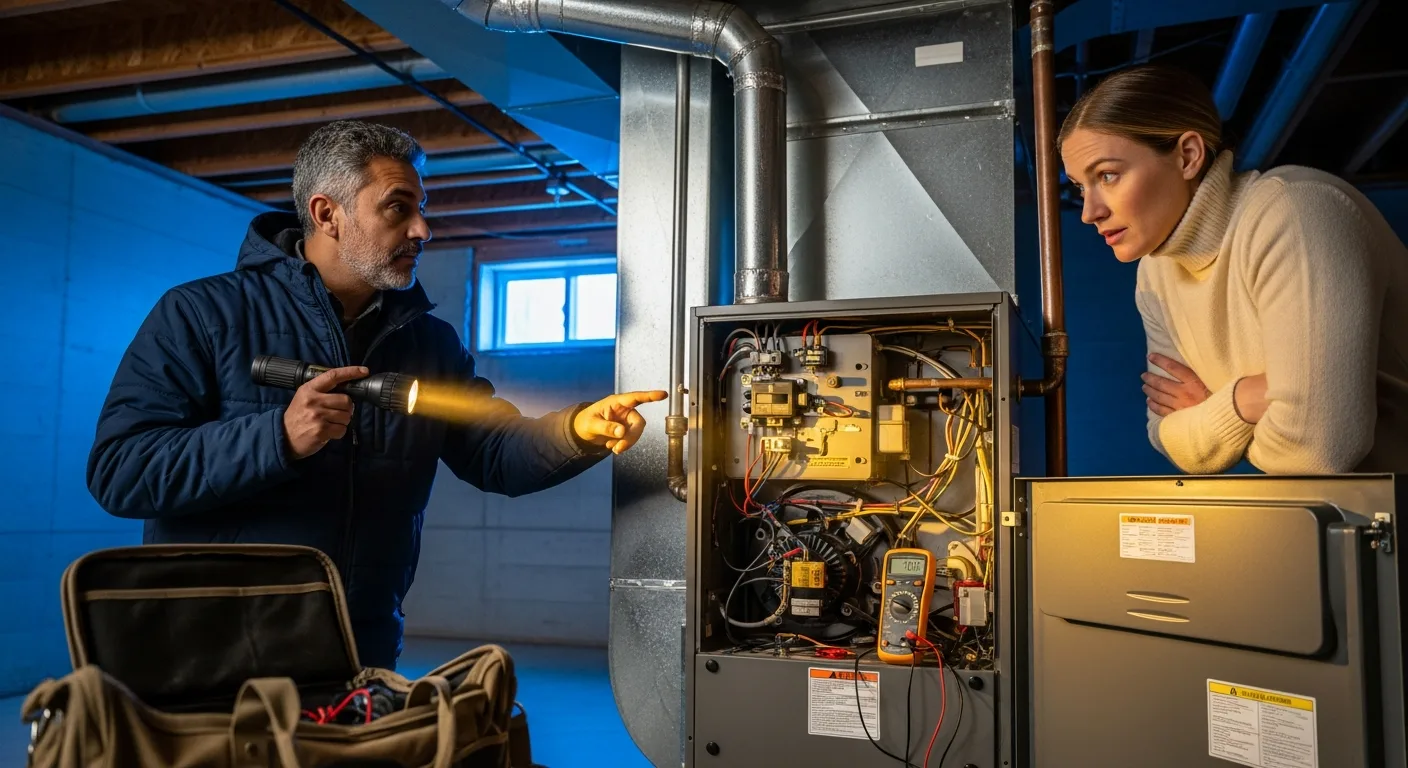
Once you’ve determined that a professional repair is necessary, you can speed up the process by giving the technician a clear, detailed account of the malfunction. Tell the dispatcher exactly how long the fan runs, whether the burners attempt to ignite before shutting down, and how many minutes the heat lasts before the air turns cold. Also mention the age of your filter, your current thermostat settings, and any unusual sounds, burning smells, or alarm activity you noticed during the failure.
Think of it like describing symptoms to a doctor; the more specific you are, the faster they can pinpoint the problem. Relaying these observations helps the licensed HVAC technician diagnose the root cause much more quickly, getting your home back to a safe, comfortable temperature without unnecessary delays. Detailed reporting is especially critical with gas appliances, as a CO leak at a Terrell nursing home recently demonstrated how quickly emergency responses matter when securing a facility and evaluating affected patients.
Prevent Cold-Air Problems Before the Next Cold Snap
Replace Filters on Schedule
Maintaining a consistent schedule for replacing your air filters is one of the best defenses against the airflow restrictions that cause furnaces to blow cold air. The ideal replacement cadence varies depending on the filter type, the number of shedding pets in your home, the overall dust load, and the manufacturer’s printed instructions. A high-efficiency pleated filter (something like a Filtrete or Honeywell model) might need to be swapped every 3 months, while cheaper fiberglass options often need to be replaced monthly during the peak of the winter heating season. Staying proactive with this simple chore helps prevent the limit switch from tripping and reduces strain on the blower motor. Protecting your airflow is just as vital as protecting your air quality.
Schedule Annual Furnace Maintenance
Connecting your comfort to your safety means scheduling an annual inspection of your heating system by a certified HVAC professional. A yearly maintenance visit lets the technician catch degrading parts, clean a dirty flame sensor, and measure the electrical draw of a failing limit switch before it causes a complete breakdown. The inspector will also verify that the burners ignite cleanly and that the venting system effectively carries all hazardous exhaust gases out of the structure.
This preventative approach stops cold-air emergencies before they happen and keeps your equipment running at peak energy efficiency throughout the worst winter months. So far, you’ve covered the quick fixes and the warning signs; this is the step that keeps you from dealing with either one. Routine inspections are one of the best ways to prevent deadly appliance failures, helping keep you from becoming part of the 14,000-plus annual hospitalizations for accidental carbon monoxide poisoning.
Test Smoke and Carbon Monoxide Alarms
Functioning environmental alarms are your final and most important line of defense against the invisible dangers created by a malfunctioning gas furnace. To ensure your household alarms are fully operational, press the test button on your CO and smoke sensors every month to confirm adequate battery life and a volume level capable of waking a sleeping person. Modern safety guidelines recommend installing these devices outside every sleeping area and on every level of your residence for maximum coverage.
Never ignore an alarm that sounds while your furnace is running, even if the air coming from the vents feels perfectly warm and comfortable. The necessity of these devices is absolute: as the Mayo Clinic notes, the initial symptoms of low to moderate carbon monoxide poisoning can resemble the flu, but without the fever. That distinction alone is worth remembering every time you test those alarms.
Keep Warm, but Put Safety First
When your furnace starts blowing cold air, you can quickly rule out the most likely culprits by checking your thermostat fan settings and replacing a dirty air filter. If the flame sensor is grimy or the limit switch keeps tripping due to overheating, the system is actively protecting itself from a much larger problem. While adjusting a thermostat is perfectly safe, attempting to dismantle gas burners, evaluate heat exchangers, or repair exhaust venting is never an acceptable do-it-yourself project.
Scheduling annual professional maintenance and keeping your CO alarms in working order helps ensure that your heating equipment operates efficiently and safely all season long. If the quick checks don’t solve the problem, treat the furnace like a system that may be protecting you from something you can’t see, and let a licensed technician take it from there.