When your air conditioner quits on a 90-degree afternoon or your furnace stops producing heat just before sunrise, the first thing that comes to mind is simple: Can someone fix this today?
For homeowners, same-day HVAC repair feels like an emergency service. For an HVAC company, it’s a carefully managed operation that starts long before a technician knocks on your door.
People often assume that a technician drives to the house, finds the problem, replaces a part, and heads to the next appointment. In reality, completing a repair on the same day depends on dozens of moving parts working together. Dispatchers adjust schedules in real time, service vehicles carry hundreds of replacement components, suppliers answer urgent requests, and technicians make dozens of decisions before the repair is complete.
When everything comes together, homeowners simply experience a working heating or cooling system again. What they don’t see is the planning behind every successful service call.
The Phone Call Does More Than Book an Appointment
The repair process begins the moment someone answers the phone.
Experienced office staff know that every answer a homeowner provides helps narrow the list of possible faults. Instead of simply asking for an address, they’ll often ask questions like:
- Is the system running but not cooling?
- Did the breaker trip?
- Have you noticed burning smells?
- Is the thermostat displaying an error?
- When was the air filter last changed?
None of these questions guarantee a diagnosis, but they help the dispatcher send the technician who’s best suited for that particular problem.
A home with an older gas furnace may require a different technician than a property with a modern variable-speed heat pump. Matching experience to the service call saves time and improves the chances of completing the repair during the first visit.
A Well-Stocked Service Vehicle Is a Mobile Workshop
Most homeowners never look inside an HVAC service truck, but it’s one of the biggest reasons same-day repairs are even possible.
A professional vehicle isn’t carrying a handful of tools. It’s essentially a rolling parts department.
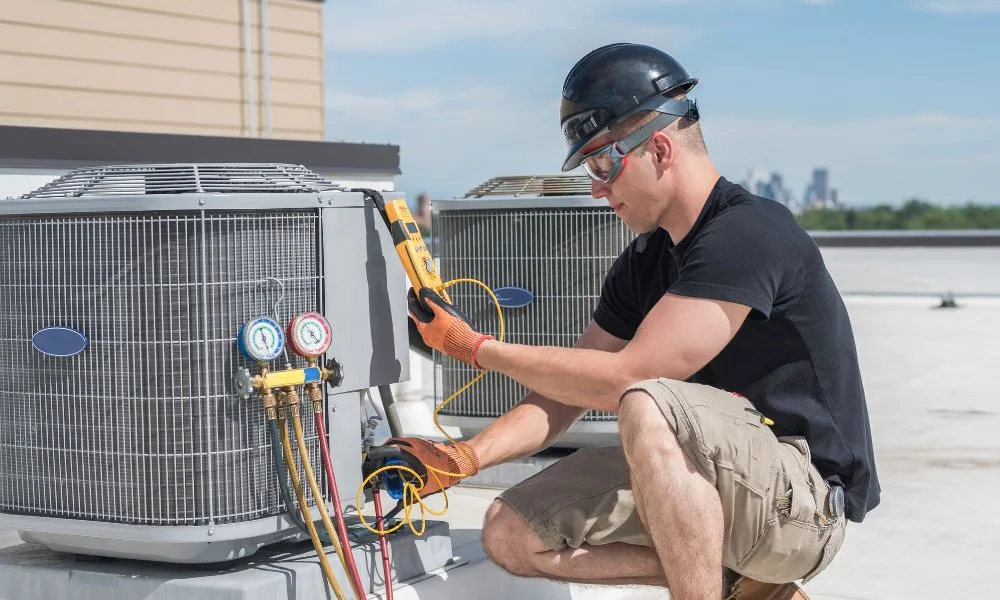
Technicians typically stock electrical components, capacitors, contactors, relays, pressure switches, transformers, motors, fuses, wiring supplies, condensate fittings, belts, common thermostats, PVC fittings, refrigerant gauges, testing equipment, and dozens of specialized hand tools.
No truck can carry every component made by every manufacturer, but experienced companies know which parts fail most often and keep those items available.
That preparation eliminates unnecessary trips back to the warehouse and allows many common repairs to be completed without leaving the customer’s driveway.
Diagnosis Comes Before Repair
One mistake inexperienced technicians make is replacing the first part that appears suspicious.
Skilled HVAC professionals work differently.
A failed capacitor might be the obvious issue, but why did it fail? Was excessive heat the cause? Is the condenser fan drawing too much current? Has another electrical component been placing additional strain on the system?
Good technicians don’t stop after restoring power. They continue testing until they’re confident the underlying issue has been identified.
That approach takes slightly longer during the appointment, but it often prevents repeat breakdowns a few weeks later.
Not Every “Emergency” Is Actually an HVAC Failure
Service companies regularly receive emergency calls where the equipment itself isn’t broken.
Sometimes the thermostat batteries have died.
A recently installed air filter may be restricting airflow because it isn’t the correct size.
Children occasionally change thermostat settings without anyone noticing.
Power outages, tripped breakers, clogged condensate drains, and blocked outdoor units can also create symptoms that resemble major equipment failures.
That’s one reason reputable technicians begin every visit with a complete inspection instead of jumping straight into repairs. Eliminating simple possibilities first avoids unnecessary replacement costs and ensures homeowners only pay for work that’s genuinely needed.
Why Timing Matters During Peak Seasons
Offering same-day appointments becomes much harder during weather extremes.
The first major heatwave of summer and the first freezing temperatures of winter often produce a surge in service requests. HVAC companies may receive several times their normal call volume within a single day.
At that point, efficient scheduling becomes just as important as technical skill.
Dispatch teams monitor technician locations, estimate travel times, rearrange appointments when emergencies arise, and communicate with homeowners if arrival windows need to change. Every adjustment is made with one goal in mind: helping as many customers as possible without sacrificing the quality of the repair.
For homeowners looking for dependable HVAC repair in Naperville, choosing a company with experienced technicians, organized dispatching, and fully equipped service vehicles significantly improves the chances of having the problem resolved without unnecessary delays.
Some Repairs Simply Can’t Be Finished in One Visit
Even the best-prepared HVAC company runs into situations where completing a repair the same day isn’t realistic.
Older systems are a common example. If a unit is 15 or 20 years old, there’s a good chance some replacement parts are no longer stocked locally. Manufacturers discontinue components, and compatible alternatives aren’t always available on short notice.
Major failures also take time. Replacing a compressor, repairing a refrigerant leak inside an evaporator coil, or installing a new blower motor isn’t comparable to swapping out a capacitor or contactor. These jobs involve additional testing, system evacuation, pressure checks, and performance verification before the equipment can be safely returned to service.
A trustworthy technician won’t promise a same-day fix if cutting corners would compromise the system’s reliability. Clear communication is far more valuable than unrealistic guarantees.
Maintenance Gives You Better Odds
Homeowners often think of maintenance as something that improves efficiency, but it also increases the chances that a future repair will be straightforward.
Equipment that receives annual service is generally cleaner, easier to inspect, and less likely to have multiple failures happening at once. Technicians can isolate the problem more quickly because the rest of the system is already in good condition.
During a routine visit, they’ll often spot worn contactors, weak capacitors, loose electrical connections, dirty evaporator coils, or failing blower motors before they leave you without heating or cooling.
That doesn’t mean maintenance prevents every breakdown. Mechanical equipment eventually wears out. What it does is reduce surprises, extend the life of the system, and help avoid failures during the hottest or coldest weeks of the year.
What Homeowners Can Do Before the Technician Arrives
There’s no need to dismantle your HVAC system while waiting for service, but a few simple checks can save time.
Confirm that the thermostat is set correctly and has power. If your system uses batteries, replace them if you’re unsure how old they are.
Take a look at the electrical panel to see whether the HVAC breaker has tripped. A clogged air filter is another common culprit, especially if it hasn’t been replaced for several months.
Outside, make sure the condenser isn’t blocked by leaves, grass clippings, or other debris that restricts airflow.
If those steps don’t restore normal operation, leave the rest to a qualified technician. Modern HVAC systems include electrical circuits, refrigerant lines, and safety controls that require specialized tools and training.
Choosing a Company That Can Deliver
Many businesses advertise emergency or same-day service, but their ability to follow through depends on more than marketing.
Look for a company that invests in ongoing technician training, keeps service vehicles properly stocked, and communicates clearly throughout the repair process. Online reviews can also reveal patterns. If customers consistently mention accurate diagnoses, punctual arrivals, and repairs completed during the first visit, that’s usually a good sign that the company has built an efficient service operation.
For homeowners searching for dependable HVAC Repair in Naperville, choosing a contractor with experienced technicians and a well-organized service team can make the difference between a quick solution and several days without reliable heating or cooling.
Final Thoughts
A same-day HVAC repair doesn’t happen because of luck. It happens because multiple people do their jobs well before the repair is ever completed.
The office gathers the right information. Dispatchers coordinate schedules as conditions change throughout the day. Technicians arrive with the experience, tools, and commonly used parts needed to solve a wide range of problems on the first visit.
While no company can guarantee that every repair will be completed immediately, preparation dramatically improves the odds. When your heating or cooling system suddenly stops working, working with a trusted provider of HVAC Repair in Naperville means you’re far more likely to receive an accurate diagnosis, an honest explanation of the problem, and the fastest practical solution.
Frequently Asked Questions
How long does a typical HVAC repair appointment take?
Most common repairs are completed within one to three hours, although complex issues involving refrigerant leaks, compressors, or specialty parts may require additional time.
Why can’t every HVAC company offer true same-day service?
Same-day repairs depend on technician availability, parts inventory, dispatch efficiency, and the complexity of the problem. Companies with experienced staff and well-equipped service vehicles are generally better prepared to complete repairs during the first visit.
Will a technician know what’s wrong before arriving?
Not exactly. The information collected during scheduling helps narrow the possibilities, but a complete diagnosis can only be made after inspecting and testing the equipment at your home.
Is it worth repairing an older HVAC system?
That depends on the system’s age, repair cost, efficiency, and overall condition. A qualified technician can explain whether repairing the unit makes financial sense or whether replacement would provide better long-term value.
How can I reduce the chances of needing emergency HVAC service?
Replace air filters regularly, keep outdoor units free of debris, schedule professional maintenance each year, and address unusual noises or declining performance before they become major failures.