Your HVAC system works hard year-round to keep your home comfortable, whether it’s cooling your house during the summer or keeping you warm in the winter. One of the simplest yet most important maintenance tasks homeowners often overlook is replacing the HVAC air filter. A clean filter keeps your heating and cooling system running efficiently, improves indoor air quality, and helps reduce energy costs.
Many homeowners trust professionals like T&T Plumbing to maintain their HVAC systems because proper maintenance can significantly extend the life of heating and cooling equipment. While replacing an air filter may seem like a small task, it plays a major role in protecting your home comfort system and ensuring your family breathes cleaner air.
In this guide, we’ll explain how often you should replace your HVAC air filter, the signs that indicate it’s time for a replacement, and why regular filter maintenance matters more than most people realize.
Why HVAC Air Filters Matter
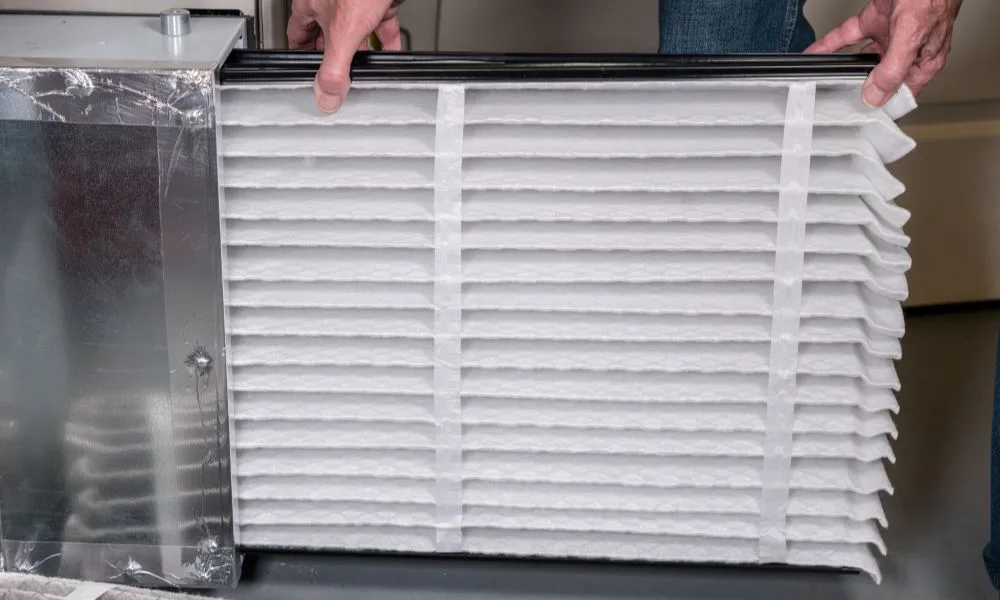
An HVAC air filter is designed to trap dust, dirt, pet dander, pollen, and other airborne particles before they circulate throughout your home. The filter protects both your indoor air quality and your HVAC equipment.
Without a clean filter, contaminants can build up inside your system, forcing it to work harder to maintain the desired temperature. Over time, this added strain can lead to reduced efficiency, higher energy bills, and costly repairs.
A properly functioning air filter helps:
- Improve indoor air quality
- Reduce allergens and dust
- Increase HVAC efficiency
- Extend system lifespan
- Lower monthly utility costs
- Prevent unnecessary repairs
Neglecting your filter can cause airflow restrictions that negatively impact your furnace, air conditioner, and ductwork.
General Rule: How Often Should You Replace Your HVAC Air Filter?
The answer depends on several factors, including the type of filter you use, the size of your household, whether you have pets, and local air quality conditions. However, here are the most common recommendations:
Every 30 Days
Basic fiberglass filters should typically be replaced every 30 days. These inexpensive filters trap larger particles but clog more quickly.
Every 60–90 Days
Pleated filters usually last between 60 and 90 days under normal household conditions.
Every 20–45 Days for Homes With Pets
Pet hair and dander can quickly clog filters, reducing airflow and efficiency.
Every 6–12 Months for High-End Filters
Some high-efficiency filters are designed to last longer, but they should still be checked regularly.
Even if a filter hasn’t reached its recommended replacement date, it’s important to inspect it monthly. Environmental factors and household habits can cause filters to become dirty sooner than expected.
Factors That Affect Filter Replacement Frequency
1. Pets in the Home
Homes with cats or dogs generally require more frequent filter changes because pet hair and dander accumulate quickly. Multiple pets can significantly shorten the lifespan of your air filter.
If you own pets, checking your filter every month is highly recommended.
2. Allergies or Respiratory Conditions
If someone in your household suffers from allergies, asthma, or other respiratory conditions, cleaner indoor air becomes even more important. Replacing filters more frequently can help reduce allergens circulating throughout the home.
A high-quality pleated filter may improve indoor air quality by capturing smaller particles like pollen and dust mites.
3. Home Size and Occupancy
Larger households naturally generate more dust, dirt, and airborne particles. The more people living in a home, the faster filters become dirty.
Frequent cooking, cleaning, and indoor activities can also affect filter lifespan.
4. Local Air Quality
Homes located near construction sites, busy roads, farms, or areas with high pollution levels often experience faster filter buildup.
Seasonal conditions like wildfire smoke, heavy pollen, or dusty weather can also impact how often filters need replacement.
5. HVAC Usage
If your HVAC system runs constantly during extremely hot summers or cold winters, your air filter will collect particles faster.
Systems used year-round require more frequent inspections than systems used only seasonally.
Signs Your HVAC Air Filter Needs Replacement
Even if you follow a general schedule, there are warning signs that indicate your filter may need immediate replacement.
Increased Dust Around the Home
If you notice dust accumulating quickly on furniture or vents, your filter may no longer be effectively trapping airborne particles.
Higher Energy Bills
A clogged filter forces your HVAC system to work harder, which increases energy consumption and utility costs.
Weak Airflow
Restricted airflow from vents is often caused by a dirty air filter blocking proper circulation.
Allergy Symptoms Getting Worse
Poor indoor air quality caused by a dirty filter can aggravate allergies, asthma, and respiratory issues.
HVAC System Running Constantly
If your system seems to run longer than usual to maintain the desired temperature, reduced airflow may be the cause.
Visible Dirt on the Filter
One of the easiest ways to determine if your filter needs replacement is by visually inspecting it. If it appears gray, dusty, or clogged, it’s time to replace it.
Types of HVAC Air Filters
Understanding the different types of filters can help homeowners choose the best option for their needs.
Fiberglass Filters
These are the most affordable filters and are designed primarily to protect HVAC equipment rather than improve air quality.
Best for: Budget-conscious households
Replacement frequency: Every 30 days
Pleated Filters
Pleated filters capture smaller particles and provide better filtration than fiberglass options.
Best for: Most homes
Replacement frequency: Every 60–90 days
HEPA Filters
High-Efficiency Particulate Air (HEPA) filters capture extremely small particles and are commonly used in homes with allergy sufferers.
Best for: Allergy-sensitive households
Replacement frequency: Varies by system compatibility
Washable Filters
These reusable filters can be cleaned instead of replaced, though they still require regular maintenance.
Best for: Eco-conscious homeowners
Replacement frequency: Clean monthly
What Happens If You Don’t Replace Your Air Filter?
Failing to replace your HVAC filter can lead to several serious problems.
Reduced HVAC Efficiency
Dirty filters restrict airflow, making your system work harder to heat or cool your home.
Increased Wear and Tear
When airflow is blocked, HVAC components experience additional strain, increasing the risk of breakdowns.
Frozen Evaporator Coils
Restricted airflow can cause your air conditioner’s evaporator coils to freeze, leading to expensive repairs.
Poor Indoor Air Quality
Dirty filters allow contaminants to circulate through your home, reducing overall air quality.
Higher Repair Costs
Ignoring filter maintenance can eventually lead to major HVAC repairs or premature system replacement.
How to Replace an HVAC Air Filter
Replacing your HVAC filter is usually quick and straightforward.
Step 1: Turn Off the HVAC System
For safety, turn off your heating or cooling system before replacing the filter.
Step 2: Locate the Filter
Filters are typically located:
- Inside the return air vent
- Near the blower compartment
- Inside the furnace unit
Step 3: Remove the Old Filter
Carefully slide out the old filter and inspect it for dirt and buildup.
Step 4: Check Filter Size
The filter size is usually printed on the side of the frame. Make sure the replacement matches the correct dimensions.
Step 5: Install the New Filter
Insert the new filter according to the airflow direction arrows printed on the frame.
Step 6: Turn the System Back On
Once the filter is securely installed, restart the HVAC system.
Tips for Maintaining Your HVAC System
Changing your air filter is only one part of proper HVAC maintenance. To keep your system running efficiently:
- Schedule professional HVAC inspections annually
- Keep vents and registers clean
- Seal air leaks around windows and doors
- Clean around outdoor HVAC units
- Use a programmable thermostat
- Avoid blocking vents with furniture
Preventative maintenance can help identify small issues before they become expensive repairs.
Choosing the Right Air Filter
Not all filters are created equal. When selecting a filter, homeowners should consider the MERV rating.
What Is a MERV Rating?
MERV stands for Minimum Efficiency Reporting Value. It measures how effectively a filter captures airborne particles.
- MERV 1–4: Basic filtration
- MERV 5–8: Standard residential filtration
- MERV 9–12: Improved filtration for allergies
- MERV 13–16: Hospital-grade filtration
Most residential HVAC systems work best with filters between MERV 8 and MERV 11. Using a filter with too high a rating can sometimes restrict airflow if your system isn’t designed for it.
The Cost Benefits of Regular Filter Replacement
Replacing an HVAC filter is inexpensive compared to major system repairs or replacement costs.
Benefits include:
- Lower utility bills
- Fewer repair expenses
- Longer HVAC lifespan
- Improved comfort
- Better indoor air quality
A small investment in routine filter changes can save homeowners hundreds or even thousands of dollars over time.
Final Thoughts
Replacing your HVAC air filter regularly is one of the easiest and most effective ways to maintain your heating and cooling system. While the exact replacement schedule depends on your home environment, checking your filter monthly and replacing it every 30–90 days is a good general rule for most households.
Clean filters improve airflow, enhance indoor air quality, lower energy costs, and reduce strain on your HVAC equipment. Whether you own pets, suffer from allergies, or simply want your HVAC system to perform efficiently year-round, routine filter maintenance should never be overlooked.
By staying proactive and scheduling regular professional maintenance when needed, homeowners can enjoy greater comfort, healthier indoor air, and long-term savings.