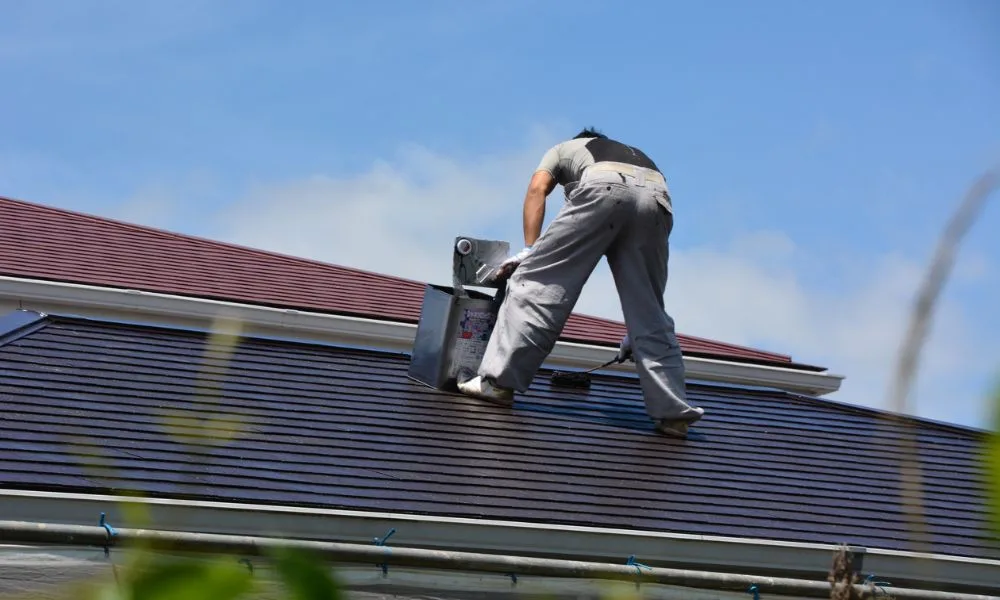
Your roof is one of the most important structural components of your home, protecting your family and belongings from the elements year-round. In Omaha, Nebraska, roofs face especially harsh conditions due to extreme weather patterns that include hailstorms, heavy snow, strong winds, freezing temperatures, and intense summer heat. Over time, even the most durable roofing systems can develop problems that may go unnoticed until significant damage occurs.
Many homeowners rely on professional services like Omaha Roof Repair to inspect their roofing systems regularly and identify problems before they become expensive emergencies. Routine roof inspections are one of the most effective ways to extend roof lifespan, reduce long-term repair costs, improve energy efficiency, and protect the structural integrity of a home.
Unfortunately, many homeowners wait until they notice a leak or visible damage before scheduling a roof inspection. By that point, hidden issues may have already caused water damage, mold growth, or structural deterioration. In this article, we’ll explore why regular roof inspections are essential for Omaha homes, what inspectors look for, and how preventative maintenance can save homeowners thousands of dollars over time.
Why Omaha Weather Is Tough on Roofs
Omaha’s climate creates significant stress on residential roofing systems throughout the year.
Local roofs must withstand:
- Heavy snow accumulation
- Ice dams
- Strong windstorms
- Hail damage
- Intense UV exposure
- Freeze-thaw cycles
- Thunderstorms and heavy rain
These weather conditions gradually weaken roofing materials and increase the likelihood of leaks, missing shingles, and structural damage.
Even newer roofs can experience wear and tear after repeated exposure to Nebraska’s unpredictable weather patterns.
What Is a Roof Inspection?
A roof inspection is a professional evaluation of your roofing system to identify existing damage, potential weaknesses, and maintenance needs.
During an inspection, roofing professionals examine:
- Shingles
- Flashing
- Gutters
- Roof decking
- Ventilation systems
- Chimneys
- Skylights
- Roof penetrations
- Structural components
The goal is to detect problems early before they lead to more extensive and costly repairs.
Why Regular Roof Inspections Matter
Many roofing issues begin small and gradually worsen over time.
Without regular inspections, homeowners may not notice:
- Minor leaks
- Cracked flashing
- Loose shingles
- Hidden moisture damage
- Ventilation problems
- Structural weaknesses
Early detection is one of the biggest advantages of routine roof inspections.
1. Roof Inspections Help Detect Hidden Damage
Not all roofing problems are visible from the ground.
Hidden Roof Problems May Include:
- Small leaks
- Water intrusion beneath shingles
- Rotting wood
- Damaged underlayment
- Soft spots in decking
- Mold growth in attic spaces
A professional inspection can identify these issues before they become serious structural concerns.
Why Hidden Damage Is Dangerous
Minor roof damage often worsens gradually.
Over time, moisture can spread throughout:
- Insulation
- Drywall
- Ceiling structures
- Electrical systems
- Wooden framing
What starts as a small issue can eventually require major repairs if ignored.
2. Preventing Expensive Repairs
Routine inspections are one of the most cost-effective forms of preventative home maintenance.
Small Repairs Cost Less
Fixing:
- A few missing shingles
- Minor flashing damage
- Small leaks
is far less expensive than repairing:
- Water-damaged ceilings
- Mold infestations
- Structural wood rot
- Full roof failures
Preventative maintenance helps homeowners avoid emergency repair costs.
Delaying Repairs Often Increases Costs
Roof problems rarely improve on their own.
Ignoring small issues can eventually lead to:
- Extensive water damage
- Interior repairs
- Insulation replacement
- Mold remediation
- Roof replacement
Regular inspections allow homeowners to address problems early while repair costs remain manageable.
3. Protecting Against Storm Damage
Nebraska storms are a leading cause of roofing damage.
Omaha Storm Risks Include:
- Hail
- Wind damage
- Flying debris
- Heavy rainfall
- Ice accumulation
Even if storm damage appears minor, hidden vulnerabilities may remain after severe weather.
Why Post-Storm Inspections Are Important
After a major storm, roofing professionals can identify:
- Lifted shingles
- Granule loss
- Flashing damage
- Hidden leaks
- Structural concerns
Early storm inspections can also help homeowners file insurance claims before deadlines expire.
4. Extending Roof Lifespan
A well-maintained roof can last significantly longer than a neglected one.
How Inspections Extend Roof Life
Routine inspections help by:
- Identifying wear early
- Preventing moisture intrusion
- Addressing weak areas
- Improving drainage
- Reducing long-term deterioration
Regular maintenance can add years to the lifespan of roofing materials.
Omaha Weather Accelerates Roof Wear
Freeze-thaw cycles and severe storms place constant stress on roofs in Nebraska.
Without inspections and maintenance, roofs may deteriorate more quickly than expected.
5. Improving Energy Efficiency
Roof condition directly affects home energy performance.
Roofing Problems Can Increase Energy Costs
Damaged roofs may allow:
- Air leaks
- Heat loss
- Moisture buildup
- Poor ventilation
This forces heating and cooling systems to work harder throughout the year.
Inspections Help Improve Efficiency
Roof inspections can identify:
- Ventilation issues
- Insulation problems
- Moisture intrusion
- Air leakage points
Addressing these issues may help reduce utility bills and improve indoor comfort.
6. Preventing Water Damage and Mold Growth
Roof leaks are one of the leading causes of water damage inside homes.
Why Water Damage Is Serious
Moisture intrusion can affect:
- Ceilings
- Walls
- Insulation
- Flooring
- Electrical systems
Even small leaks can create long-term moisture problems.
Mold Can Develop Quickly
Damp attic spaces and hidden leaks create ideal conditions for mold growth.
Mold exposure may contribute to:
- Allergies
- Respiratory irritation
- Poor indoor air quality
Routine roof inspections help identify moisture problems before mold spreads.
7. Identifying Gutter and Drainage Problems
Your roof and gutter system work together to protect your home from water damage.
Common Gutter Problems Include:
- Clogs
- Sagging sections
- Leaks
- Improper drainage
- Detached gutters
Poor drainage may allow water to pool near roof edges or foundations.
Why Drainage Matters
Improper drainage can lead to:
- Ice dams
- Roof edge damage
- Foundation problems
- Basement leaks
Roof inspections often include evaluating gutters and drainage performance.
8. Maintaining Home Value
Roof condition significantly affects property value and curb appeal.
Buyers Pay Attention to Roof Condition
A damaged or aging roof may:
- Lower home value
- Delay sales
- Create inspection concerns
- Reduce buyer confidence
A well-maintained roof signals responsible homeownership.
Inspections Help Protect Investment Value
Routine inspections help homeowners maintain roofing systems in good condition, preserving both appearance and structural reliability.
9. Supporting Insurance Claims
Insurance companies often require documentation when homeowners file storm damage claims.
Roof Inspections Provide Important Documentation
Professional inspections can:
- Identify storm-related damage
- Document roofing conditions
- Support insurance claims
- Provide repair estimates
Without inspection records, homeowners may face difficulties proving when damage occurred.
10. Identifying Structural Issues Early
Roof inspections can uncover structural concerns before they become dangerous.
Structural Warning Signs Include:
- Sagging rooflines
- Soft decking
- Water-damaged rafters
- Cracked support structures
These issues may compromise the overall safety of the home if ignored.
Why Structural Problems Require Immediate Attention
Severe structural damage can eventually lead to:
- Roof collapse
- Interior ceiling failures
- Major repair expenses
Routine inspections improve homeowner safety and peace of mind.
How Often Should Omaha Homeowners Schedule Roof Inspections?
Most roofing professionals recommend:
- At least one inspection annually
- Additional inspections after severe storms
Homes with older roofs may benefit from more frequent evaluations.
Best Times for Roof Inspections
Ideal times include:
- Spring (after winter weather)
- Fall (before winter begins)
- After major storms
Seasonal inspections help identify weather-related damage early.
Signs You Should Schedule an Inspection Immediately
Homeowners should schedule an inspection if they notice:
- Water stains on ceilings
- Missing shingles
- Granules in gutters
- Sagging roof sections
- Mold growth
- Increased energy bills
- Drafts in attic spaces
- Leaking around chimneys or vents
Even subtle warning signs may indicate hidden roof damage.
What Happens During a Professional Roof Inspection?
A professional roof inspection typically includes:
- Exterior roof evaluation
- Shingle inspection
- Flashing assessment
- Gutter inspection
- Attic ventilation review
- Moisture detection
- Structural assessment
Inspectors may also provide photos and repair recommendations.
DIY Roof Inspections vs. Professional Inspections
While homeowners can perform basic visual checks from the ground, professional inspections offer significant advantages.
Professionals Can Detect:
- Hidden moisture damage
- Soft decking
- Flashing failures
- Ventilation issues
- Structural weaknesses
Climbing onto roofs without proper equipment can also be dangerous.
Preventative Maintenance Tips for Omaha Homeowners
In addition to regular inspections, homeowners can protect their roofs by:
- Cleaning gutters regularly
- Removing debris
- Trimming overhanging branches
- Replacing damaged shingles promptly
- Monitoring attic ventilation
- Addressing leaks immediately
Small maintenance steps can prevent major roofing problems.
The Long-Term Financial Benefits of Roof Inspections
Many homeowners view inspections as an unnecessary expense, but preventative maintenance often saves substantial money over time.
Routine inspections may help homeowners avoid:
- Emergency repairs
- Water damage restoration
- Mold remediation
- Structural repairs
- Premature roof replacement
Investing in maintenance is usually far less expensive than major roofing repairs.
Choosing the Right Roofing Professional
When selecting a roofing contractor for inspections, homeowners should look for:
- Licensing and insurance
- Local Omaha experience
- Positive customer reviews
- Written inspection reports
- Transparent pricing
- Warranty information
Experienced professionals understand the unique challenges Omaha weather creates for roofing systems.
Final Thoughts
Regular roof inspections are one of the most important preventative maintenance steps Omaha homeowners can take to protect their homes. Nebraska’s harsh weather conditions place constant stress on roofing systems, making early detection of damage critical for preventing costly repairs and structural problems.
Routine inspections help identify hidden leaks, storm damage, ventilation issues, drainage problems, and structural weaknesses before they worsen. They also improve energy efficiency, extend roof lifespan, support insurance claims, and protect property value.
By scheduling regular professional inspections and addressing minor roofing issues promptly, Omaha homeowners can avoid expensive surprises, improve home safety, and ensure their roofs continue protecting their homes for years to come.