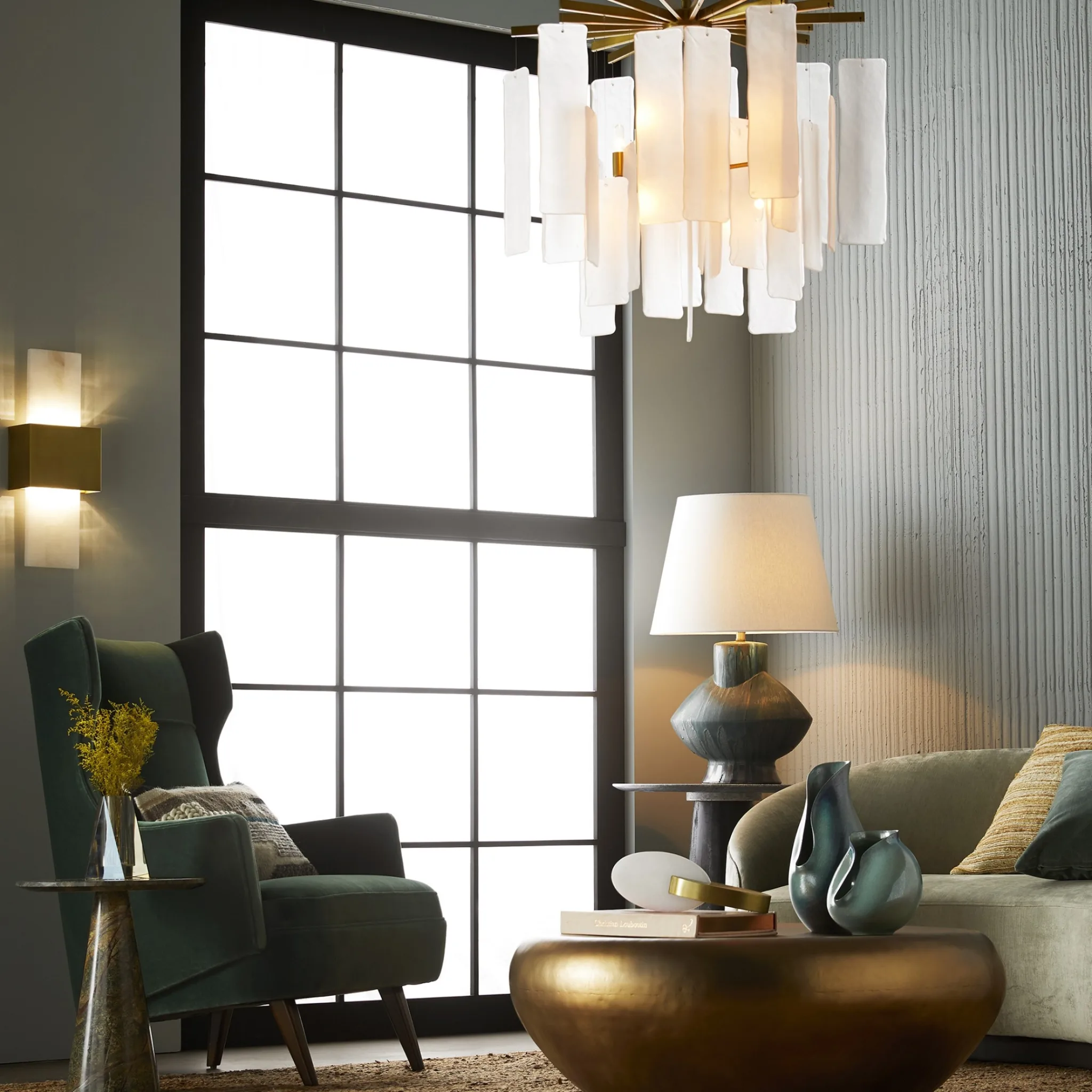
A reading corner can bring calm and comfort into everyday life. It offers a quiet place to slow down, enjoy a book, or take a short break from busy routines. The best reading spaces feel warm, personal, and easy to use. Many homeowners begin with a comfortable modern lounge chair because seating often shapes the entire experience of the room.
A reading corner does not require a large room or major renovation. Even a small area near a window, beside a bookshelf, or in an unused corner can become a relaxing retreat with a few thoughtful choices. Comfort matters most, yet lighting, texture, layout, and personal details all help create a space people want to return to every day.
Start With the Right Chair
The chair is often the center of the reading corner. It should feel supportive enough for long periods of sitting while also matching the style of the room. A chair with soft upholstery, a curved back, or generous cushioning can help the space feel inviting.
Think about how the chair will be used. Some people prefer upright seating for reading and focus. Others enjoy deeper seats where they can fully relax. The size of the chair should also suit the room. A large chair may feel cozy in a spacious living room, while a slimmer design may fit better in a smaller apartment or bedroom corner.
Placement matters too. Leave enough room around the chair so the area feels open instead of crowded. A reading corner should encourage relaxation, not make movement difficult.
Use Lighting That Feels Warm
Lighting can completely change the mood of a reading space. Natural light often works best during the day, so many reading corners sit near windows. In the evening, layered lighting helps the space remain comfortable and functional.
A floor lamp beside the chair creates focused light for reading. A table lamp on a nearby side table can add softness and warmth. The goal is to create enough brightness for reading without making the area feel harsh.
Warm light bulbs often feel more relaxing than bright white lighting. Soft light can make fabrics, wood tones, and decorative details feel richer and more welcoming.
Adjustable lighting also helps. A movable lamp arm or dimmer switch allows the space to shift easily between focused reading and quiet relaxation.
Add Soft Texture
Texture plays an important role in comfort. A reading corner should feel layered and welcoming. Soft fabrics, natural materials, and warm finishes help create this feeling.
A throw blanket over the chair can add comfort during cooler months. Pillows can provide support while also bringing color or pattern into the space. A rug under the chair can soften hard flooring and define the reading area visually.
Natural textures such as wood, linen, wool, and woven materials often make a room feel calm. Mixing a few textures together keeps the space from feeling flat or overly formal.
The goal is not to fill the area with too many items. A few thoughtful pieces usually create a stronger feeling of comfort than an overcrowded arrangement.
Keep Books Within Reach
A reading corner works best when books feel close and accessible. This could mean a nearby bookshelf, a small side table, or even a basket beside the chair. Keeping books visible encourages daily use of the space.
Open shelving can also add personality to the room. Books, small objects, framed photos, or decorative pieces can help the area feel personal without overwhelming it.
Try to balance function and appearance. The reading corner should remain easy to use. Surfaces should still have room for a cup of tea, reading glasses, or a notebook.
Think About Sound and Atmosphere
Comfort is not only visual. The atmosphere of the space matters too. A quiet area away from heavy foot traffic often feels more relaxing. Soft curtains, rugs, and upholstered furniture can help reduce noise and create a calmer environment.
Some people enjoy adding candles, plants, or gentle background music to make the space feel even more peaceful. Small touches like these can help separate the reading corner from the faster pace of the rest of the home.
Plants are especially useful because they bring softness and natural color into the room. Even one small plant near the chair can make the area feel fresher and more alive.
Create Balance With the Surrounding Room
A reading corner should feel connected to the rest of the home rather than isolated from it. Repeat a few colors, materials, or shapes already used in the room. This creates flow and helps the reading space feel intentional.
For example, if the living room includes warm wood tones and neutral fabrics, continue those materials in the reading corner. If the room uses darker metal finishes, carry those details into the lighting or side table nearby.
Balance also comes from scale. Oversized furniture in a small room can make the area feel crowded. Smaller accessories paired with larger furniture often create a more comfortable visual rhythm.
Use Personal Details Carefully
The most inviting reading corners often reflect personal taste. Framed artwork, favorite books, collected objects, or meaningful décor can help the space feel lived in and authentic.
At the same time, simplicity matters. Too many decorative pieces can make the corner feel busy instead of restful. Leave enough open space for the eye to relax.
A reading corner should support quiet moments. Personal details should improve the feeling of comfort rather than compete for attention.
Make the Space Work Every Day
The best reading corners fit naturally into daily life. They should feel easy to use at any time of day. A comfortable chair, good lighting, nearby books, and a calm atmosphere all help make the space more practical and inviting.
A reading corner can also serve many purposes beyond reading. It may become a quiet place for morning coffee, journaling, conversation, or evening relaxation. This flexibility makes the space even more valuable in everyday living.
Comfort often comes from small details rather than major design changes. A warm light, a soft chair, and a peaceful atmosphere can turn even a small corner into one of the most enjoyable spaces in the home.