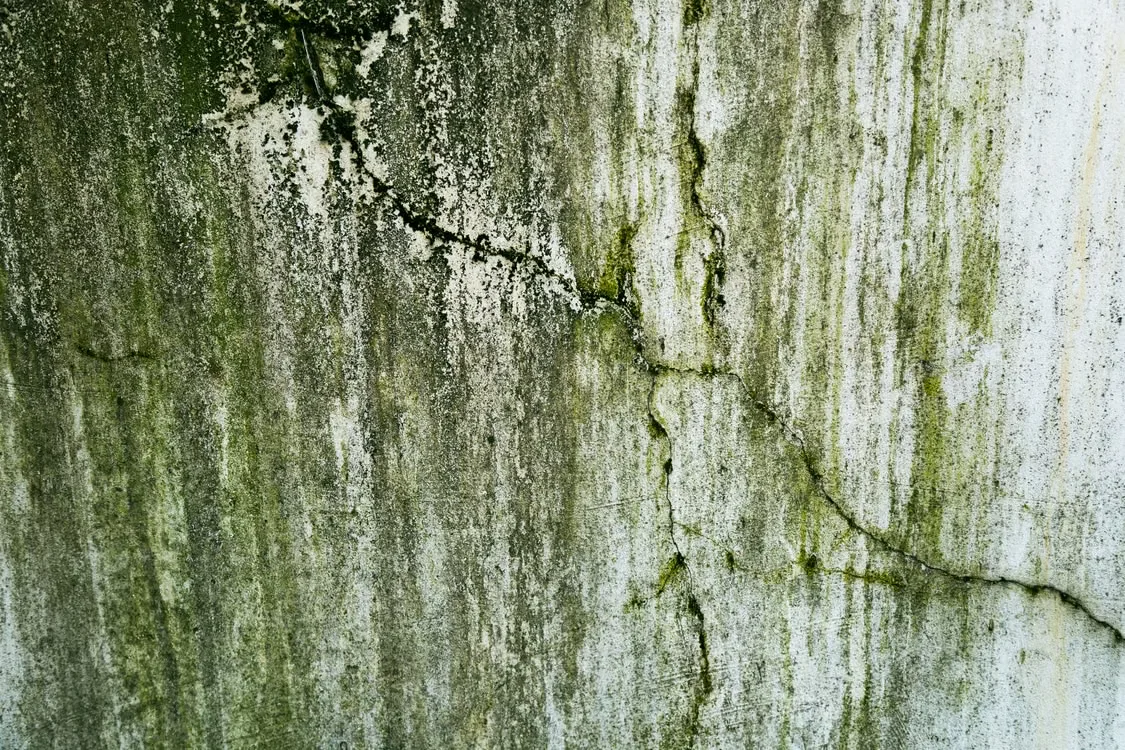
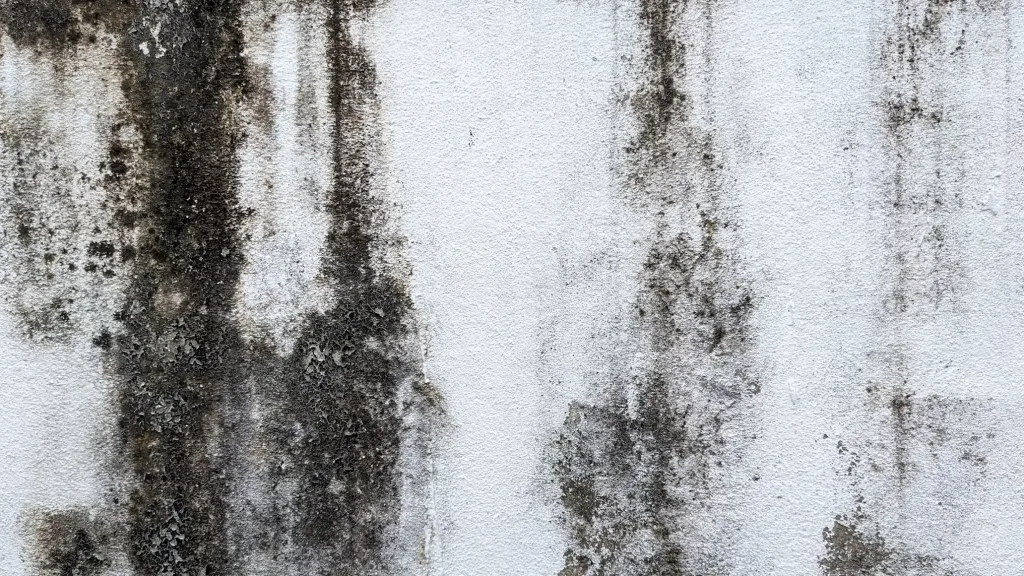
Seeing dark spots on a wall causes instant stress. Mold is a common issue that many homeowners face unexpectedly, growing in dark spaces before showing its face.
Understanding why it targets your living area helps you protect your property. Small changes stop the growth before a major problem develops.
The Invisible Unwanted Houseguest
Microscopic particles travel through the air constantly without anyone noticing. These tiny items look for the perfect spot to settle down and colonize. When they find an area with the right conditions, they start multiplying fast. They thrive on organic matter found inside common building materials.
This growth can damage drywall, wood, and carpets over extended periods. It alters the look of your home and ruins personal belongings. Keeping a close eye on hidden spots keeps your house safe. Early detection prevents minor spots from turning into expensive structural issues.
Dark corners behind large furniture pieces often hide these spreading colonies. Property owners must check these areas during routine seasonal cleaning. Finding the problem early makes the cleanup process much easier.
The Role Of Clearance Inspections
Hiring professionals to clean up a major outbreak protects your property value. Property owners schedule post-remediation verification testing to confirm the environment is fully clean. This step gives you peace of mind before rebuilding begins. It proves that the remediation team completed their job thoroughly.
Independent experts run these checks to maintain strict objectivity. They collect air samples to compare with outdoor air quality. Passing this test means your home is safe to inhabit again. Insurance companies often require this official documentation before closing a claim.
Common Triggers For Indoor Spores
Poor airflow creates stagnant pockets of air where trouble brews. Basements and crawl spaces frequently suffer from this issue due to a lack of windows.
Attics with bad ventilation trap warmth and create a perfect breeding zone. Improving air circulation throughout the house helps eliminate these stagnant pockets.
Daily activities like cooking or showering release water into the air. Without proper exhaust fans, this water settles on cold walls. Daily habits require simple adjustments to keep indoor surfaces dry. Running fans during and after these activities helps clear the air.
Leaky pipes inside walls present another major risk factor for homeowners. Small drips can go unnoticed for months and feed hidden colonies. Routine plumbing checks help identify these quiet threats before they cause visible damage.
Managing Air Moisture Levels
Controlling indoor humidity stops growth in its tracks. Warm air holds water, which feeds hidden spores behind furniture. Dehumidifiers work well to pull wetness out of the air in sticky rooms. Using these machines during hot summer months keeps the indoor environment balanced.
An online guide published by a northern health organization states that indoor humidity levels should remain between 30% and 50%.
Digital hygrometers measure these levels accurately for a low price. Keeping numbers in this range protects your closets and ceilings. Monitoring these devices regularly helps you adjust your air conditioning settings.
Quick Responses To Water Leaks
Pipe leaks hidden under sinks create long-term problems if ignored. Roof drips during heavy rainstorms cause similar damage upstairs.
Speed is your best weapon when water enters the home unexpectedly. Turning off the main water valve stops sudden flooding from causing widespread ruin.
A county safety brief points out that drying wet materials within 24 to 48 hours after a spill prevents growth in most situations. Acting within this window saves expensive building materials from destruction. Homeowners can take immediate actions to handle sudden wetness:
- Wipe up puddles on floors immediately.
- Run heavy fans directly facing wet drywall panels.
- Open windows to let fresh air circulate through damp rooms.
Removing saturated items that cannot dry quickly prevents further complications. Soggy carpets and insulation often need complete replacement. Fast decisions protect the surrounding structure from contamination.
Professional Standards For Cleanup
Large contaminations require a structured approach to remediation. Scrubbing walls with household bleach often fails to fix deep root systems.
True cleanup requires removing contaminated materials under negative air pressure. This containment prevents loose particles from traveling to clean parts of the house.
Industry guidelines reference the ANSI/IICRC S520 as the official procedural standard for cleaning damaged structures and contents.
Following these rules prevents spores from spreading to unaffected rooms. Trained teams wear protective gear to handle the remediation safely. Homeowners should verify that their chosen contractors follow these guidelines.
Long-Term Prevention Strategies
Keeping your home safe involves regular exterior maintenance. Cleaning gutters regularly prevents rainwater from overflowing into your siding.
Diverting water away from the foundation keeps basements dry. Simple landscaping adjustments can change how water flows around your property.
Insulating cold pipes prevents condensation from forming during humid days. Wrapped pipes stay dry and do not drip onto nearby wood.
Checking windows for broken seals stops rain from creeping into wall cavities. These small maintenance tasks save thousands of dollars in future repairs.
Maintaining a dry home takes consistent effort but protects your family. Regular inspections of pipes and roofs catch small issues early.
Balancing indoor air quality keeps your property structurally sound for decades. Taking simple preventative steps keeps your living spaces comfortable and clear of unwanted growth.