Your home is likely your largest financial investment. Protecting its exterior shell from harsh weather, moisture, and wear is a top priority for maintaining long-term value. While structural upgrades inside the house get a lot of attention, updating your exterior panels offers massive functional rewards.
Allocating a portion of your renovation funds to this upgrade safeguards your property and lowers monthly utility expenses. It acts as a defensive shield while transforming how your property looks from the street. Investing in premium materials brings lasting peace of mind.
Boosting Your Financial Return
Many people worry about the upfront cost of extensive exterior renovations. However, selecting quality siding installation services can radically transform your property value and curb appeal before visitors even walk through the front door. This investment immediately increases your overall home equity.
A recent publication noted that homeowners can expect an 80% return on investment with new vinyl siding. This high recovery rate outpaces many interior kitchen or bathroom remodeling projects. If you plan to sell your house in the future, modern panels draw serious buyers quickly.
Total Visual Transformation
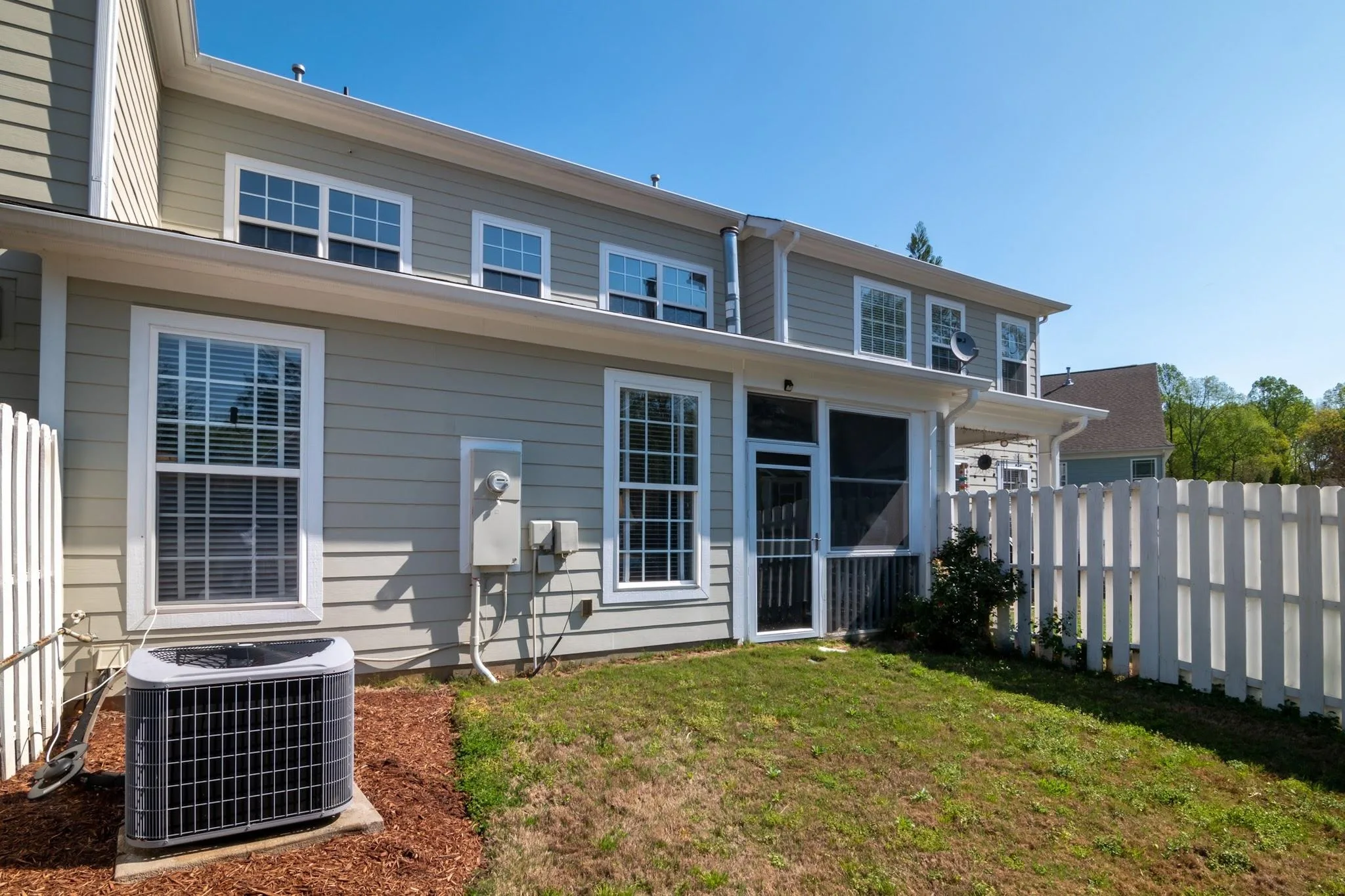
Old panels fade, crack, and warp over time due to constant sun exposure. This deterioration makes an otherwise beautiful house look dated and neglected. New materials completely revitalize the architectural character of your property.
Modern manufacturing provides dozens of colors and textures to match any design style. You can choose classic lap boards, rustic shingles, or bold vertical styles. These advanced materials retain their fresh look for decades without peeling.
Slashing Monthly Energy Bills
Your exterior walls do much more than look pretty. They serve as a primary barrier against seasonal temperature swings. Cheap or aging materials allow conditioned air to escape, forcing your HVAC system to work much harder.
An industry resource reported that mid-range siding for a 2,000 square foot house generally costs around $17,200. This structural addition helps create a tight thermal envelope around your living spaces. You will see the financial payoff in reduced heating and cooling bills all year long.
Preventing Invisible Moisture Damage
Water infiltration is one of the most destructive forces a building can face. Gaps in old exterior panels allow rainwater and melting snow to pool against your wooden framing. This trapped moisture triggers quiet, expensive destruction inside your walls.
- Mold and mildew growth that threatens your indoor air quality
- Rotting wooden studs that compromise structural safety
- Softened materials that invite termites and wood-boring pests
Replacing old panels seals out moisture and protects your sheathing. Taking proactive steps now eliminates the need for emergency structural repairs in the future.
Drastically Lower Maintenance Demands
Traditional wood exteriors require an endless cycle of scraping, caulking, and repainting. This maintenance eats up your weekends or costs thousands of dollars in professional painter fees. Modern premium products eliminate this tedious chore entirely.
High-quality vinyl or composite options require almost no intense upkeep. An occasional rinse with a standard garden hose removes seasonal dust and dirt. You save both valuable time and money on yearly maintenance supplies.
Advanced Protection Against Severe Weather
Climate patterns bring unexpected storms, heavy hail, and freezing winter temperatures. Weak or cheap panels can easily crack under impact or rip away during high winds. Upgrading your exterior provides a rugged defense system.
A manufacturing guide explained that vinyl siding may require more frequent repairs and earlier replacement than fiber cement siding. Investing in thick, weather-tested materials shields your family during intense storms. Your home stays safe and secure regardless of the forecast.
The Secret to Smart Resource Allocation
Setting a realistic budget for a full exterior replacement requires understanding current market averages. Labor and material costs shift based on the size of your home and the chosen profiles. Knowing the numbers helps you plan your financing effectively.
A construction cost study revealed that the average price to build a house sits around $24,910. While this requires a real commitment of funds, the structural protection prevents far more expensive roofing or foundation issues. It remains a foundational upgrade for long-term property health.
Why Specialized Installation Matters
Buying top-tier materials is only half the battle. If panels are nailed too tightly or flashed incorrectly around windows, moisture will still find a way inside. Professional crews know how to handle expansion and contraction gaps perfectly.
An expert contracting article emphasized that expert installers guarantee a tight seal that optimizes energy efficiency by accurately removing air gaps. These specialists ensure your manufacturer’s warranty remains completely valid. Correct installation prevents premature material failure.
Choosing to upgrade your home exterior is a major decision that influences your finances for years. Protecting your framing from weather elements preserves the core value of your property. This project eliminates constant maintenance worries while lowering your monthly utility costs.
Look past the initial price tag and focus on the decades of security premium panels provide. Your home deserves a strong defense against the elements, making this upgrade an ideal use of your improvement funds.