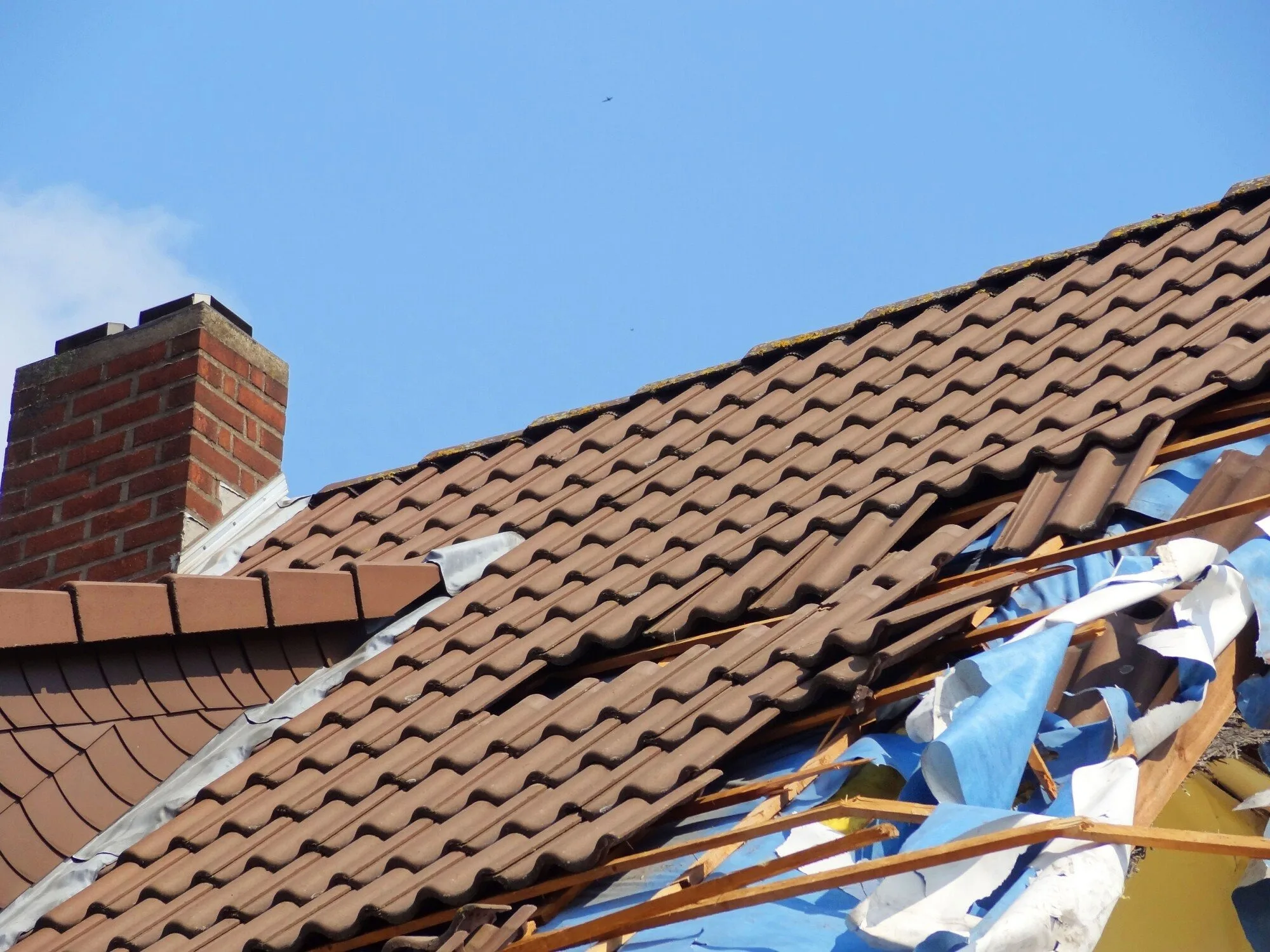
Homeowners forget about their roofs until a leak appears. Weather changes throughout the year bring unique environmental challenges for your property. Staying ahead of these changes protects your investment and keeps your home dry.
Preparing your property for seasonal shifts prevents expensive repairs later. Regular maintenance always extends the functional lifespan of your materials. Taking care of your home structure requires consistent attention before severe weather arrives.
Weathering Extreme Shifts in Temperature
Local weather patterns bring massive temperature swings that strain residential properties. Homes in the southwest Chicago suburbs, where freezing winters and stormy seasons are common, often experience roof leaks after prolonged exposure to harsh weather conditions. Taking action before freezing temperatures hit helps protect your home from costly damage.
Spring storms and heavy summer humidity challenge structural integrity. Freezing and thawing cycles create small gaps in standard materials. Minor cracks expand quickly when water enters and freezes.
Homeowners need to look for sagging areas or discoloration on ceilings. Catching these signs early prevents mold growth inside your attic space. Severe weather events test the strength of every shingle on your home. Regular visual checks from the ground reveal missing pieces or loose materials, so address these vulnerabilities as soon as possible.
Protecting Materials From Thermal Shock
Rapid temperature changes cause hidden damage to residential structures. Thermal shock from fast daytime temperature drops causes premature cracking in low-quality roofing materials. Standard shingles expand during hot afternoons and contract quickly when night falls.
Investing in resilient materials saves hundreds of dollars on premature replacements. Homeowners should evaluate their current setups before the next season begins. Upgrading weak sections shields interiors. Proactive upgrades prevent emergency calls during major storms.
Upgrading your materials protects your home from unpredictable climate patterns. Selecting thicker options offers better protection against hail and high winds. Your choice of material influences how well your home handles sudden freezing spikes.
Mitigating Thermal Expansion and Contraction
Materials move as the seasons change throughout the year. Extreme weather fluctuations call for thicker underlayment to withstand rapid thermal expansion and contraction. Without a proper base layer, shingles tear away from their fasteners.
A solid underlayment can be a barrier against moisture intrusion. Water quickly penetrates the primary shingle layer during heavy downpours if the base is weak. Professional installers know how to balance the layers and select products designed to tolerate movement. Proper installation protects your roof deck structure from water.
Maintaining Attic Ventilation For Shingle Longevity
Airflow underneath your roof deck determines how long your shingles last. Proper attic ventilation extends shingle lifespan by reducing heat buildup that causes blistering during summer months. Trapped heat cooks the materials from underneath, destroying their structural integrity.
Maintaining correct airflow requires a combination of intake and exhaust systems. Homeowners should track specific indicators to keep their systems functioning correctly. Watch for these clear signs of poor ventilation:
- Ice dams form along the eaves during cold winter weeks
- Excessive heat radiating into upper-level bedrooms during July
- Dark water stains are appearing on plywood panels inside the attic
- Mold growth spreading across insulation layers or wooden rafters
Balancing Intake and Exhaust
Air must flow continuously from the soffits through the ridge vents. Blocked soffit vents prevent fresh air from entering the attic space. Keeping these vents clean allows the entire system to regulate temperatures naturally.
Inspecting Flashing and Seals After Severe Storms
Metal pieces around chimneys and valleys keep water from penetrating vulnerable joints. The components lift during high wind events or separate due to seasonal temperature changes. Cracked sealant allows slow leaks to develop unnoticed behind interior walls.
Regular inspections focus on these transition points. Replacing old caulk with high-grade roofing sealant prevents moisture damage. Homeowners should look for rust spots on metal flashing during their seasonal checks. Corroded metal develops holes that allow water to enter.
Wind shifts loose pieces away from vertical walls and dormers. Fastening these sections down prevents water from driving underneath during heavy downpours. Neglecting these small areas results in major drywall repairs inside the home’s living spaces.
Developing a Routine Maintenance Schedule
Consistency keeps your roof in top shape throughout its functional lifespan to avoid leaks. Creating a detailed checklist for spring and autumn can catch problems early before they escalate. Clean gutters allow rainwater to flow away safely from the foundation and roof edge.
Debris accumulation holds moisture against shingles and accelerates decay. Removing leaves and branches protects the granule layer on your shingles. Clear surfaces dry much faster after rainstorms and prevent moss growth.
Homeowners benefit from professional assessments twice a year. Certified inspectors spot subtle wear that untrained eyes miss completely. Routine care protects your home equity and maintains your manufacturer’s warranty coverage.
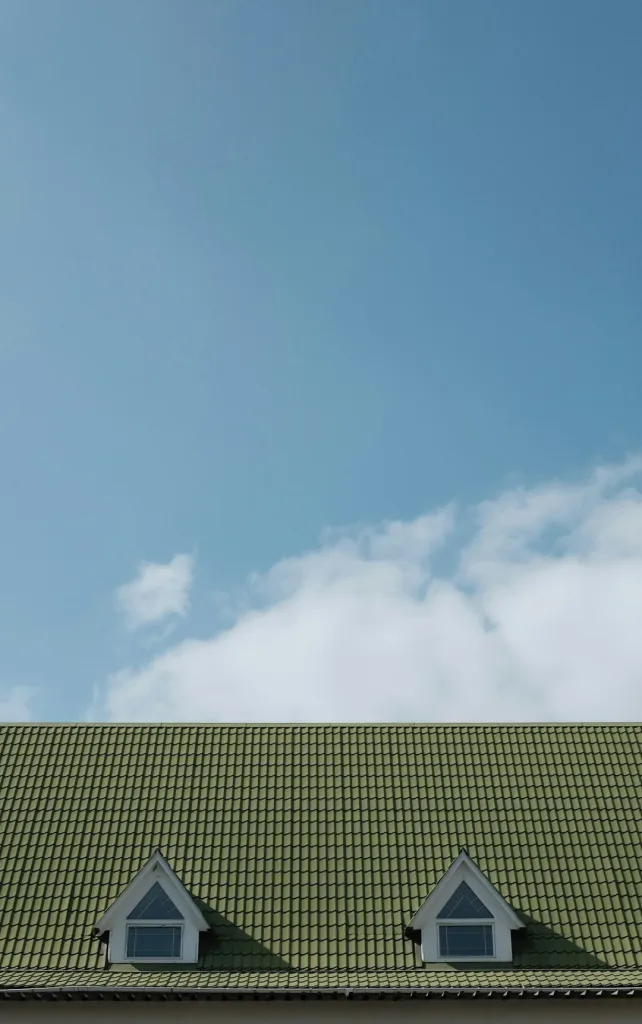
Taking care of your roof throughout the year preserves your entire home structure. Small efforts before seasons change prevent major headaches and expensive emergency repairs. Consistent monitoring gives you peace during heavy storms and freezing winters.
Partnering with experienced professionals keeps your property safe and dry through every season. Plan your inspection today to protect your investment for years.