Buying new furniture is an important decision that affects both the appearance and functionality of a home. Whether you are furnishing a new property or updating an existing space, the choices you make can influence comfort, organization, and daily convenience for years to come. With so many styles, materials, and price points available, it is easy to feel overwhelmed during the selection process.
Taking the time to evaluate your needs before making a purchase can help you avoid costly mistakes and ensure long-term satisfaction. Furniture should support the way people live, move, relax, and interact within a space. A thoughtful approach allows you to balance aesthetics, durability, comfort, and practicality while choosing pieces that suit both your home and lifestyle.
Assess Your Space and Room Layout
Before purchasing any furniture, carefully evaluate the size and layout of the room where it will be placed. Accurate measurements are essential because even attractive furniture can become a problem if it does not fit properly within the available space. Measure walls, windows, doorways, and walkways to ensure that new pieces can be delivered and positioned without difficulty.
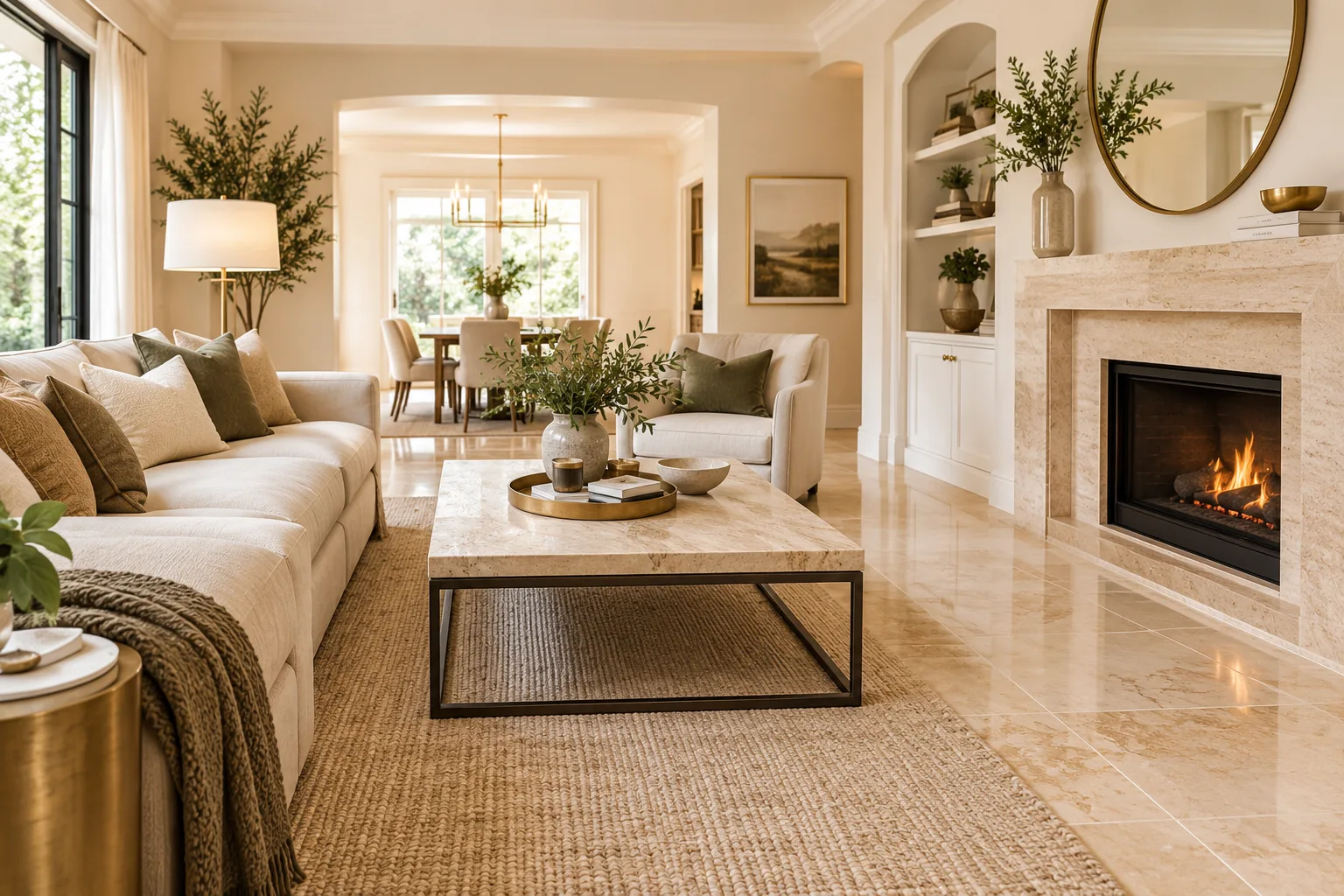
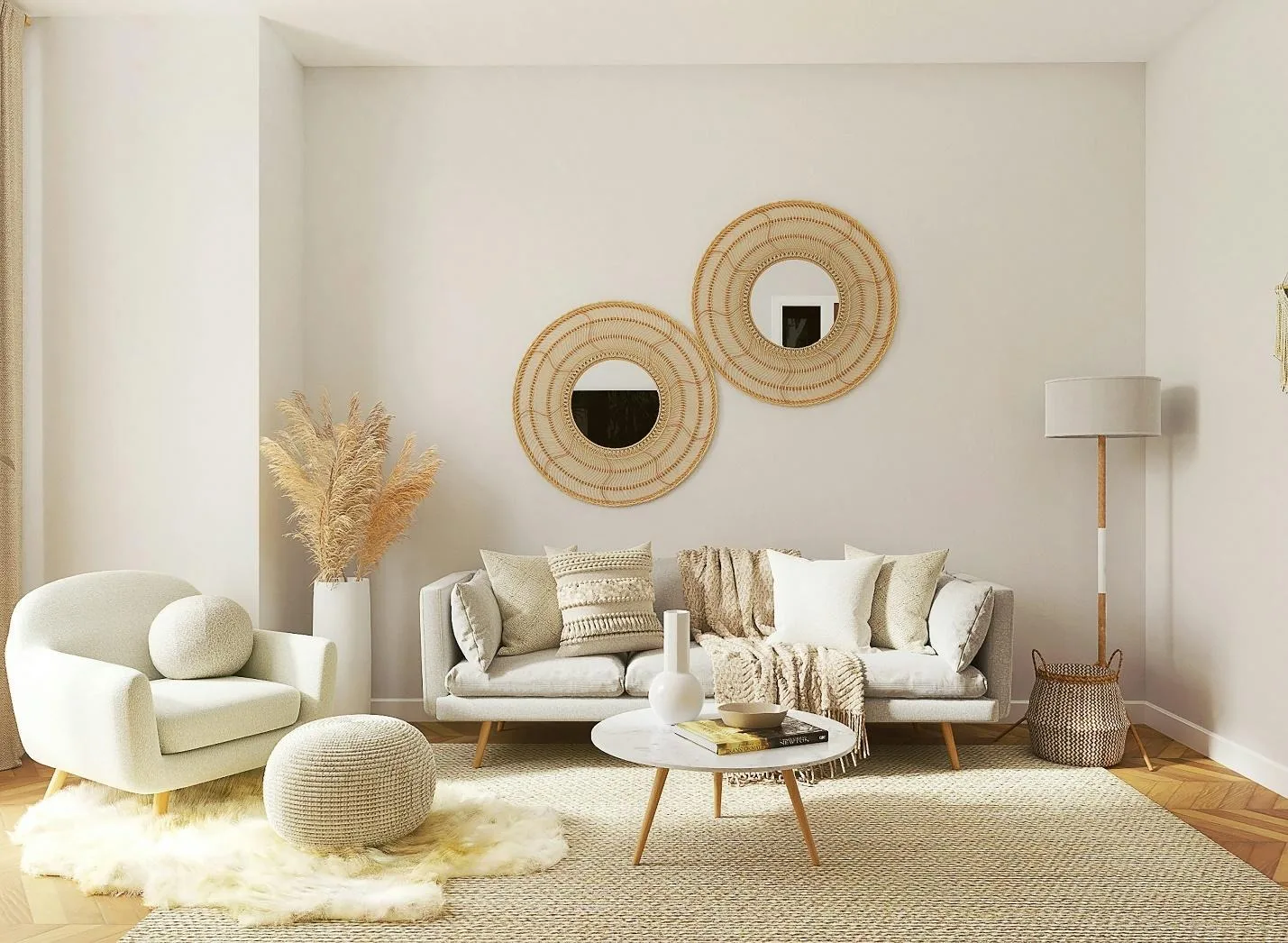
A thoughtful layout also improves how people move through a room. This is especially important in the living room, which often serves as a central gathering area for family activities, relaxation, and entertaining guests. Because this space typically accommodates some of the largest and most frequently used furnishings in a home, careful planning is essential before making any purchasing decisions. For homeowners looking for living room furniture, selecting pieces that suit the room’s dimensions can help maximize both comfort and functionality. Consider how each item will interact with existing furnishings and whether it allows enough room for everyday activities. Planning the arrangement helps prevent impulse purchases and ensures that every piece serves a purpose within the overall design.
Define the Purpose and Functionality
Every furniture purchase should begin with a clear understanding of how the piece will be used. Different households have different priorities, and furniture that works well for one family may not suit another. A household that frequently entertains guests may require larger seating options, while a smaller home may benefit from compact or multifunctional pieces.
Functionality should remain a key consideration throughout the decision-making process. Features such as built-in storage, adjustable components, or easy-to-clean surfaces can add significant value over time. When furniture aligns with your daily routines, it becomes more useful and enjoyable. Focusing on practical needs first allows you to select pieces that not only look good but also contribute to a more efficient and comfortable living environment.
Evaluate Material and Build Quality
The materials used in furniture construction have a direct impact on durability, maintenance requirements, and long-term value. Solid wood, engineered wood, metal, glass, and upholstered materials each offer unique advantages. Understanding the strengths and limitations of different materials can help you choose options that match your lifestyle and expectations.
In addition to material selection, examine the quality of construction. Well-built furniture typically features strong joints, sturdy frames, and reliable hardware. Paying attention to craftsmanship can help you identify products that are designed to withstand regular use. While higher-quality furniture may require a larger initial investment, it often delivers better performance and longevity, making it a more cost-effective choice over time.
Choose a Style That Complements Your Home
Furniture should work well with the overall design of your home. Before making a purchase, consider the colors, textures, and architectural features already present in the space. A consistent style creates a more cohesive appearance and helps rooms feel thoughtfully designed rather than randomly furnished.
Many homeowners look for inspiration through magazines, websites, and decor ideas found on social media platforms. While trends can be appealing, it is often wiser to select pieces with lasting visual appeal. Combining timeless furniture with a few contemporary accents can help maintain a fresh look without requiring frequent updates.
Consider Comfort and Ergonomics
Comfort plays a major role in long-term satisfaction with any furniture purchase. A piece may look attractive in a showroom, but it should also provide adequate support during daily use. Testing seating depth, cushion firmness, and overall functionality can help determine whether the furniture will meet your needs.
Ergonomics is especially important for furniture used regularly, such as sofas, dining chairs, and office desks. Proper support can improve posture and reduce discomfort during extended periods of use. Prioritizing comfort ensures that furniture remains enjoyable and practical long after the initial purchase.
Set a Realistic Budget
Establishing a budget before shopping helps narrow your options and prevents unnecessary spending. Furniture is available at a wide range of price points, so understanding how much you are willing to invest can simplify the decision-making process. A clear budget also encourages you to compare products more effectively.
While affordability matters, the lowest-priced option is not always the best value. Higher-quality furniture often lasts longer and requires fewer replacements over time. Balancing cost with durability and functionality allows you to make smarter purchasing decisions that support both your financial goals and household needs.
Think About Maintenance and Long-Term Care
Different furniture materials require different levels of care. Some fabrics resist stains and wear, while others need more frequent cleaning and maintenance. Understanding these requirements before purchasing can help you choose furniture that fits your lifestyle and available time for upkeep.
Households with children, pets, or heavy daily use should pay particular attention to durability and ease of maintenance. Selecting practical materials can reduce cleaning efforts and help preserve the furniture’s appearance. Regular care and proper maintenance also extend the lifespan of furniture, protecting your investment for years to come.
Making a Smart Furniture Investment
Choosing new furniture involves more than selecting pieces that look attractive. Factors such as room size, functionality, material quality, style, comfort, budget, and maintenance all contribute to the overall value of a purchase. Taking time to evaluate these elements helps ensure that every piece supports your lifestyle and complements your home.
Thoughtful planning can prevent costly mistakes and lead to greater satisfaction over the long term. By focusing on both practical needs and personal preferences, you can make informed decisions that enhance comfort, improve functionality, and create a living space that remains enjoyable for years to come.