A house rarely announces that something is wrong. A stain may appear months after a leak begins. A draft may be noticed long after a gap has formed. Most weather-related damage starts quietly, which is why it often catches homeowners by surprise.
In Vancouver, Washington, homes are exposed to a mix of rain, seasonal temperature changes, and periods of strong sun. While each weather condition may seem harmless on its own, their combined effect can place continuous pressure on a property’s exterior. Materials expand, contract, absorb moisture, and dry out. These cycles never really stop.
The challenge is that weather does not need a dramatic storm to cause problems. Small amounts of wear can accumulate gradually until repairs become unavoidable. Understanding how different weather conditions affect a home can help homeowners spot issues earlier and protect their investment more effectively.
Siding Works Harder Than Most Homeowners Realize
When people think about weather protection, the roof usually receives most of the attention. While roofing is important, siding serves as one of the home’s primary defenses against moisture, wind, and temperature fluctuations.
Every day, siding is exposed to changing conditions. Rain strikes it directly. Sunlight heats it for hours. The wind pushes against it repeatedly. When siding remains in good condition, these challenges are managed effectively. When deterioration begins, the home’s protective barrier can be weakened.
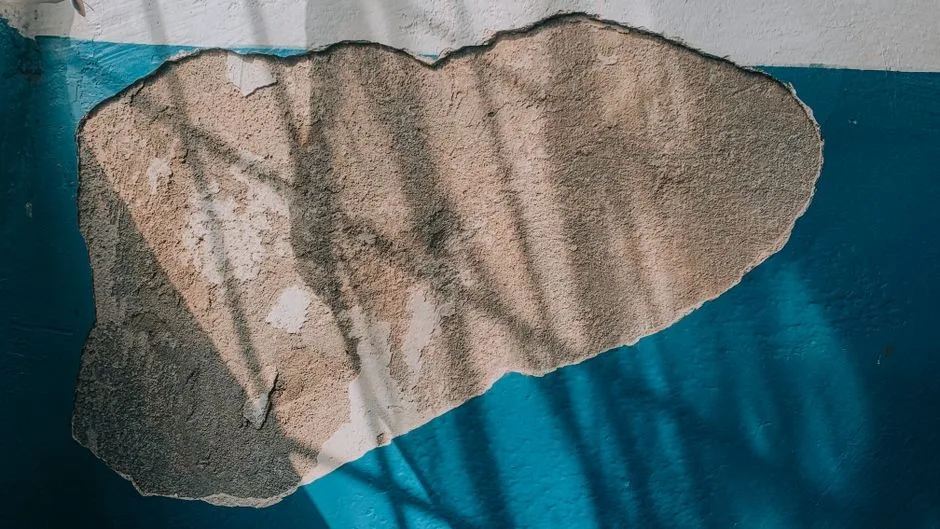
Cracks, gaps, warping, and loose sections should never be dismissed as purely cosmetic concerns. Those visible signs may indicate that weather is gaining access to areas beneath the exterior surface. Moisture intrusion, reduced energy efficiency, and even pest problems can follow.
Because of this, many homeowners begin researching replacement options once noticeable wear appears. Evaluating new siding cost in Vancouver often becomes part of a broader effort to improve weather resistance and reduce the likelihood of future repairs. The decision is rarely based on appearance alone. Functional protection is usually the larger concern.
For example, siding that has started separating from the wall may allow rainwater to reach underlying materials. Similarly, aging siding with multiple cracks may contribute to drafts and energy loss. Small exterior issues have a tendency to become larger ones when weather remains involved.
Sun And Heat Leave Their Own Mark
Rain is frequently blamed for home damage, but sunlight deserves attention as well. Extended UV exposure can affect materials in ways that are not always obvious.
Exterior paint may fade. Sealants can dry out. Certain materials may become brittle after years of direct exposure. While these changes often occur gradually, their impact can be significant.
Temperature fluctuations create additional stress. During warm conditions, materials expand. As temperatures drop, contraction occurs. These repeated movements place strain on joints, fasteners, and protective coatings.
Decks provide a useful example. A deck that receives substantial sunlight may begin showing cracks or surface deterioration if maintenance is neglected. Similarly, painted surfaces may require more frequent attention when exposed to direct sunlight throughout the day.
The effects are not limited to the exterior. Sunlight entering through windows can increase indoor temperatures and contribute to fading on flooring, furniture, and decorative materials. Weather influences comfort levels inside the home just as much as it affects surfaces outdoors.
Could a room that feels unusually warm during summer be revealing opportunities for better protection? In some cases, it certainly could.
Rain Has A Longer Memory Than You Think
Rainfall is often viewed as a temporary inconvenience. The puddles disappear, the skies clear, and life moves on. Homes, however, remember every storm.
Moisture can settle into areas that receive little attention. Gutters may overflow. Water may collect near foundations. Small openings around windows or doors can allow dampness to enter places where it should never be.
A good example can be found around window frames. A tiny crack in exterior sealant may seem insignificant at first. As rain repeatedly reaches that opening, moisture can be drawn into surrounding materials. Eventually, discoloration, swelling, or mold growth may be discovered.
Even landscaping can influence moisture-related problems. Shrubs positioned too close to exterior walls can trap dampness against surfaces for extended periods. The issue may not become obvious immediately, but prolonged exposure can contribute to deterioration.
How often are areas around the home inspected after a period of heavy rainfall? In many cases, the answer is not often enough.
Small Maintenance Habits Make A Big Difference
Weather-related problems do not always require major repairs. Many issues can be identified early when routine inspections become part of regular home care.
Some valuable maintenance tasks include:
- Cleaning gutters before rainy seasons arrive
- Checking exterior caulking around doors and windows
- Looking for loose or damaged siding panels
- Inspecting roofing materials after strong winds
- Monitoring areas where water tends to collect
- Trimming vegetation that traps moisture near walls
These simple habits help homeowners stay ahead of potential problems. A loose piece of siding discovered today may prevent a larger repair next year. A clogged gutter cleared before a storm may reduce the risk of water damage.
A Home Performs Best When It Is Protected
A home experiences weather every day, whether anyone notices it or not. Rain tests vulnerable areas. Wind searches for weaknesses. Sunlight gradually affects exposed materials. These forces operate continuously, which is why small issues should never be ignored.
The good news is that most weather-related damage provides warning signs before major problems develop. Those signs may appear as peeling paint, warped siding, minor leaks, or unusual drafts. When they are addressed promptly, repair costs are often reduced and structural damage can be minimized.
The strongest homes are not necessarily the newest. They are the ones that receive consistent care. By understanding how weather affects different parts of a property, homeowners can make smarter decisions about maintenance, repairs, and future improvements.
Weather will always play a role in the condition of a home. The difference is whether that role is managed proactively or allowed to dictate expensive repairs later. Careful attention today can help preserve comfort, efficiency, and value for years to come.