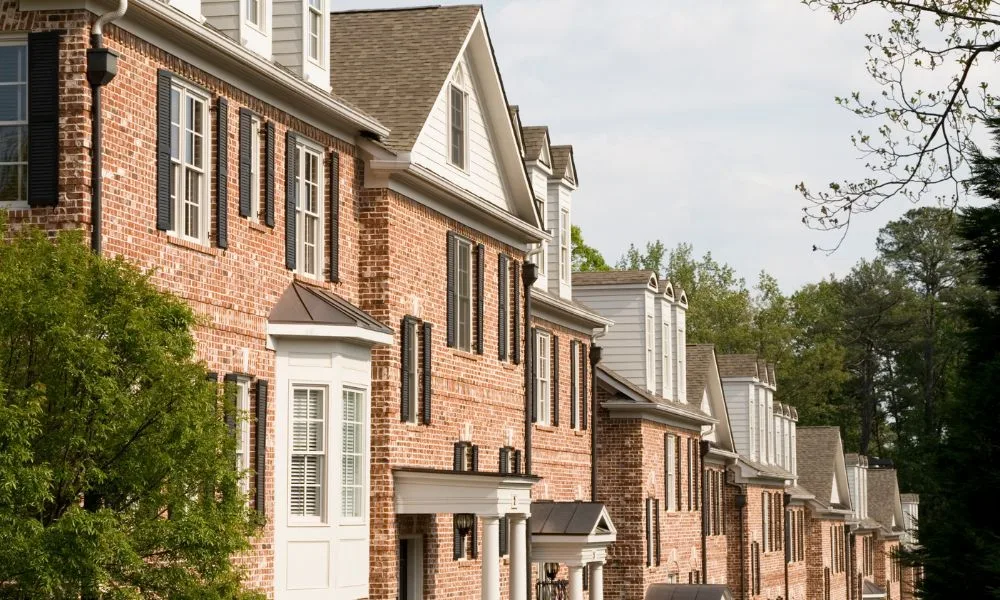
Atlanta’s warm, humid climate creates unique challenges for homeowners, especially when it comes to flooring. High humidity levels can cause certain materials to expand, contract, warp, or even develop mold if they’re not properly installed or maintained. Choosing the right flooring isn’t just about aesthetics—it’s also an investment in your home’s durability, comfort, and long-term value.
Whether you’re renovating before listing your property or simply upgrading your living space, selecting flooring designed to withstand Georgia’s climate can save money on future repairs while making your home more attractive to potential buyers.
Why Atlanta’s Climate Matters
Humidity affects flooring differently depending on the material. Moisture in the air can be absorbed by wood, causing it to swell or cup over time. Excess moisture may also weaken adhesives, damage subflooring, or encourage mold growth if water becomes trapped beneath the surface.
According to the U.S. Department of Housing and Urban Development (HUD), proper moisture management is essential for maintaining healthy, durable housing. Controlling indoor humidity and selecting moisture-resistant building materials can significantly improve a home’s longevity and indoor air quality.
Because Atlanta experiences long, humid summers, homeowners should prioritize flooring that performs well under fluctuating moisture conditions.
Luxury Vinyl Plank: A Practical Favorite
Luxury Vinyl Plank (LVP) has become one of the most popular flooring choices for Atlanta homes—and for good reason.
Modern LVP is highly resistant to moisture, scratches, and everyday wear, making it ideal for kitchens, bathrooms, laundry rooms, and busy family spaces. Many products are also waterproof, providing added protection against accidental spills or humidity-related issues.
In addition to durability, LVP is available in styles that closely resemble hardwood, allowing homeowners to achieve a high-end appearance without the maintenance concerns associated with natural wood.
For homeowners preparing to sell, this combination of affordability and visual appeal can make LVP an excellent investment.
Engineered Hardwood Offers Classic Style
Many buyers still prefer the timeless appearance of hardwood flooring. Fortunately, engineered hardwood offers a practical alternative to traditional solid wood.
Unlike solid hardwood, engineered hardwood consists of multiple layers that provide greater stability in humid environments. This layered construction helps reduce expansion and contraction caused by changing moisture levels.
While engineered hardwood isn’t completely waterproof, it performs much better than solid hardwood in Atlanta’s climate when installed correctly and maintained with proper humidity control.
Porcelain Tile Excels in Moisture-Prone Areas
For bathrooms, kitchens, mudrooms, and entryways, porcelain tile remains one of the most durable flooring options available.
Tile is naturally resistant to moisture, staining, and heavy foot traffic. It also requires relatively little maintenance and performs exceptionally well in humid conditions.
Although some homeowners find tile less comfortable underfoot than wood or vinyl, it offers excellent longevity and can contribute to a clean, modern appearance that appeals to many buyers.
Laminate Flooring Has Improved Significantly
Today’s laminate flooring has advanced considerably in both appearance and performance.
Many manufacturers now offer water-resistant laminate products designed to withstand occasional spills and moderate humidity. While laminate still isn’t the best choice for consistently wet environments, it can be an attractive, budget-friendly solution for bedrooms, living rooms, and home offices.
Homeowners should carefully review product specifications to ensure the flooring is suitable for humid climates before installation.
Flooring Choices Can Influence Resale Value
Flooring is one of the first features prospective buyers notice during a home tour. Worn carpet, damaged hardwood, or outdated flooring can make an otherwise well-maintained home feel neglected.
The National Association of REALTORS® (NAR) notes that home improvements that enhance functionality, appearance, and overall condition can improve buyer appeal and homeowner satisfaction. Installing durable, attractive flooring helps create a positive first impression while reducing concerns about future maintenance.
If you’re planning to sell, investing in flooring that complements your home’s style while standing up to Atlanta’s climate can help your property compete more effectively in the local market.
Think Beyond Flooring Alone
Even the best flooring performs poorly if moisture problems aren’t addressed first. Before beginning any flooring project, homeowners should inspect for plumbing leaks, foundation moisture, poor drainage, or inadequate ventilation.
Maintaining indoor humidity—typically through proper HVAC maintenance or a dehumidifier—can extend the life of nearly any flooring material.
If you’re preparing your home for sale, consulting top real estate agents in Atlanta can also provide valuable insight into which flooring upgrades are most attractive to buyers in your specific neighborhood. Local market expertise can help you prioritize renovations that offer the strongest return on investment.
Likewise, homeowners who need to sell quickly due to relocation, inheritance, or financial circumstances may consider options such as We Buy House Atlanta, particularly when extensive renovations aren’t practical before listing.
Choosing the Right Flooring for Your Home
There’s no single flooring material that’s perfect for every Atlanta home. Your lifestyle, budget, room usage, and long-term plans should all influence your decision.
Luxury vinyl plank offers exceptional moisture resistance and versatility, engineered hardwood provides classic appeal with improved stability, porcelain tile excels in wet areas, and modern laminate delivers affordability with improved performance.
By selecting flooring that’s well-suited to Atlanta’s humid climate, homeowners can improve comfort, reduce maintenance concerns, and enhance their property’s long-term value—whether they’re planning to stay for years or preparing to sell in the near future.