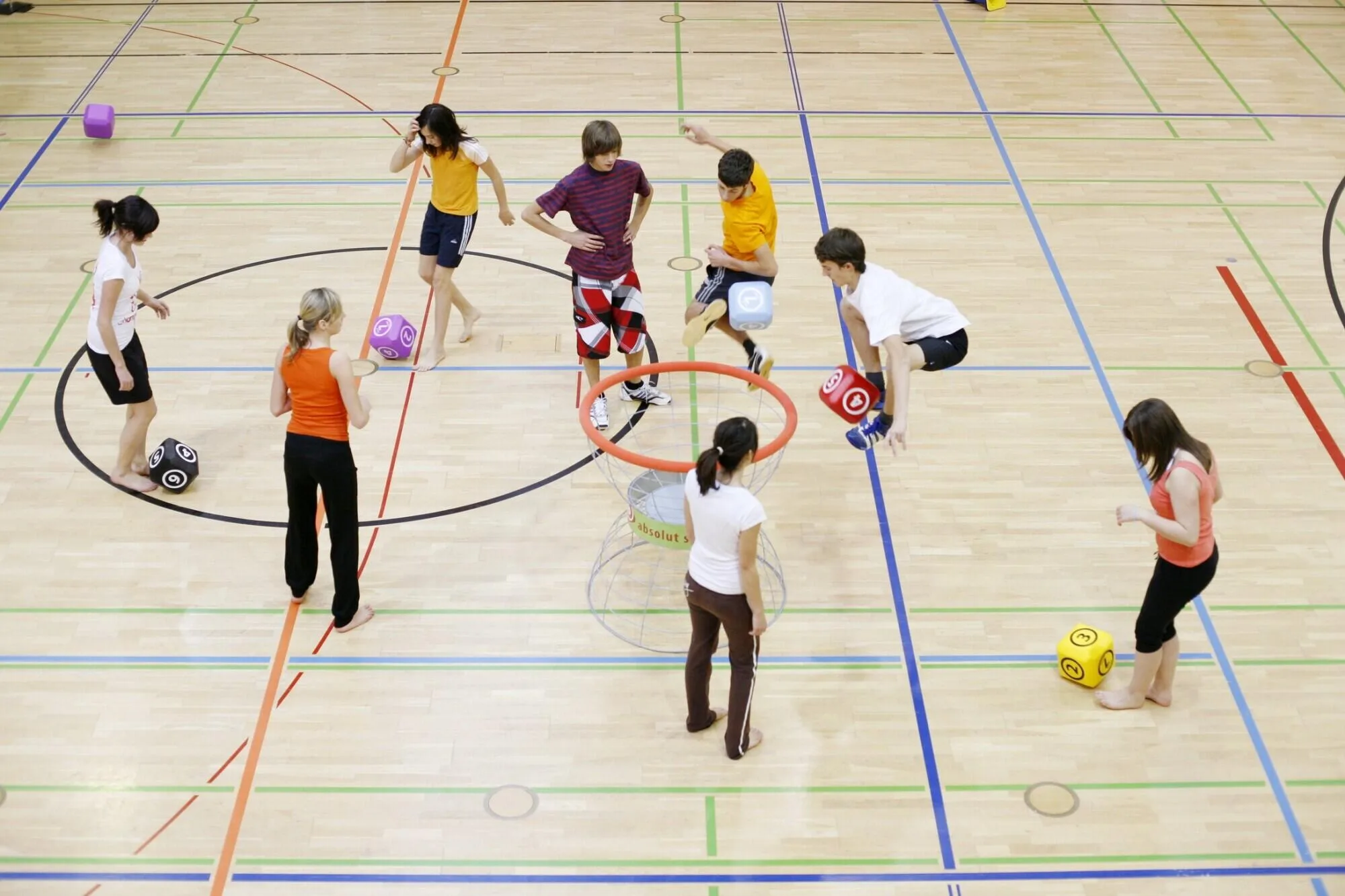
Sports flooring is no longer just a surface to play on. It affects how athletes perform and can even prevent injuries. From simple wood planks to high-tech systems, the journey reflects a constant push for better.
Today’s floors combine science, design, and durability. They must meet the needs of players, owners, and fans. This article highlights the key innovations and trends you need to watch.
The Early Days of Sports Flooring
Before the squeak of sneakers on polished maple became synonymous with indoor sports, the playing field was simply the ground itself. Early forms of basketball were played on dirt, grass, or bare wooden planks laid over uneven joists. These surfaces were inconsistent, slippery when wet, and punishing on the body.
A fall meant abrasions and splinters. The unforgiving nature of the substrate offered zero shock absorption, causing chronic joint pain for athletes. The primary driver for change wasn’t necessarily performance but basic usability. As sports moved indoors during the late 19th and early 20th centuries, the need for a flat, predictable, and clean surface became paramount.
Early wooden floors were far from perfect. They warped with humidity, splintered easily, and required constant maintenance. The concept of a “sports floor” as an engineered system had not yet been born. It was simply a floor that happened to have sports played on it.
The Rise of Hardwood as the Gold Standard
Hardwood quickly set the standard. Its tight grain gave a consistent ball bounce. The light color made it easy to see play lines and reflected light well. Over time, the installation process improved.
Builders added a subfloor, which created an air space beneath the maple surface. It allowed the floor to flex slightly. Now, investing in a modern hardwood sports flooring system comes with advanced anchoring and resilient pads. These components work together, absorb shock, and reduce athlete fatigue.
The surface remains fast and true. This system is the top choice for professional basketball and volleyball. No synthetic product has fully matched its feel and prestige.
Modern Performance Requirements
Athletes are faster and stronger now, and the floor must respond. Two key metrics rule the industry. First is ball bounce. The ball must rebound to at least 90% of its original height.
Second is surface friction. Too slippery, and players slide dangerously. Too much grip causes knee and ankle injuries. Floor makers use special finishes to find the perfect balance. They also test for vertical deflection, meaning that the floor must bend just enough under impact. This protects the athlete’s body without feeling spongy. These standards guarantee that the game is fair and safe at every level.
The Science of Shock Absorption and Safety
A good floor reduces the impact of a fall by over 50%. This is called the force reduction factor. The secret is in the subfloor. Engineers use rubber pads, foam, or a floating wood layer.
When an athlete lands, the floor compresses and spreads the energy across a wider area. This protects bones, muscles, and the brain from jarring vibrations. Area elasticity is another safety feature. It means a localized impact does not create a ripple effect. A teammate running nearby will not feel the floor sink. This stability prevents unexpected stumbles.
Sustainability in Sports Flooring Materials
Green building is now a major trend, and sports flooring is part of that shift. The industry uses wood from sustainable forests. The Maple Flooring Manufacturers Association certifies responsible sources.
Recycling old floors is a common practice. Salvaged maple is remilled into new boards to keep waste out of landfills. Finishes have changed too. Oil-modified urethanes are fading. Water-based UV-cured finishes are taking over. They emit almost no volatile organic compounds, so they can improve indoor air quality. Some companies also use recycled rubber in subfloors. The goal is a high-performance floor with a small environmental footprint.
Smart Floors and Technology Integration
The digital age is ushering in a new era where the floor is an interactive, data-generating platform. Smart flooring technology integrates sensors directly into the surface or subfloor to capture a wealth of performance and safety data. Pressure-sensitive tiles can track foot traffic patterns, measure an athlete’s jump height, force, and gait in real time, and provide instant feedback on movement efficiency.
This data is invaluable for coaching, allowing for objective analysis of a player’s training load and technique. Smart flooring can be an early-warning system for injury. By analyzing asymmetries in an athlete’s gait or loading patterns, it can flag potential issues before they manifest as a serious injury.
This technology improves spectacle. LED-embedded glass or acrylic courts, like those seen in some professional events, can dynamically change line markings, display advertising, and create immersive light shows synchronized with the game action. They will transform the floor into a giant screen that connects the live and digital audiences.
Multi-Use Facilities and Portable Solutions
Most venues are not just for one sport: they host concerts, graduations, and trade shows. A permanent basketball court would get ruined. This has led to portable floor systems. They are the ultimate in versatility.
Individual panels lock together to form a seamless surface. The panels can be stored away quickly after a game. This protects the wood from heavy event traffic. High-quality portable floors deliver the same ball bounce as permanent ones. They also allow for bold customization. Owners can change the center-court logo panel by panel.
Future Trends to Watch
The next chapter of sports flooring will be defined by adaptive intelligence and radical material science. Look for surfaces that can actively change their properties. Imagine a floor that can adjust its coefficient of friction on command, softening for quick pivots during a game but becoming high-traction during a time-out to prevent slip.
Another emerging trend is 3D-printed flooring structures, which allow for the creation of complex, bio-mimetic internal lattices with varying stiffness zones across a single, seamless panel, perfectly tailored to sport-specific biomechanics. Self-healing materials are also on the horizon, where microcapsules of a healing agent embedded in a polymer surface rupture upon scratching.
Advancing Sports Through Smarter Flooring
Modern sports flooring respects the tradition of maple hardwood and embraces new science for safety. Create a surface where athletes can perform at their best safely.
Whether permanent or portable, the floor sets the stage for greatness. The game on the floor will always drive the change beneath it. For more updates, check our latest blog posts.