Spotting a single ant on the kitchen counter or a moth fluttering near a closet light rarely feels like cause for alarm. Most homeowners brush off these moments as one-off nuisances, and often, that assumption is correct. But pests operate on their own timeline, and what looks like an isolated incident can sometimes be the first visible sign of a population already settling into a home. Learning to distinguish between a passing occurrence and an early infestation is a skill worth developing, because the earlier a problem is identified, the easier it is to manage.
When Occasional Sightings Start to Repeat
The first and most telling shift is frequency. Seeing a pest once might mean it wandered in through an open door or a gap under a windowsill. Seeing the same type of pest several times within a week suggests something different: a source nearby, whether that’s a food supply, moisture, or a nesting site, that keeps drawing them back. Homeowners often describe this pattern as “suddenly” noticing pests everywhere, when in reality the population had likely been growing quietly for some time before it became visible enough to register as a pattern.
Tracking sightings, even informally, can help clarify whether a trend is developing. A pest seen twice in a month is worth noting. A pest seen several times in a single week points toward an established presence rather than a random encounter.
Unusual Timing and Behavior Patterns
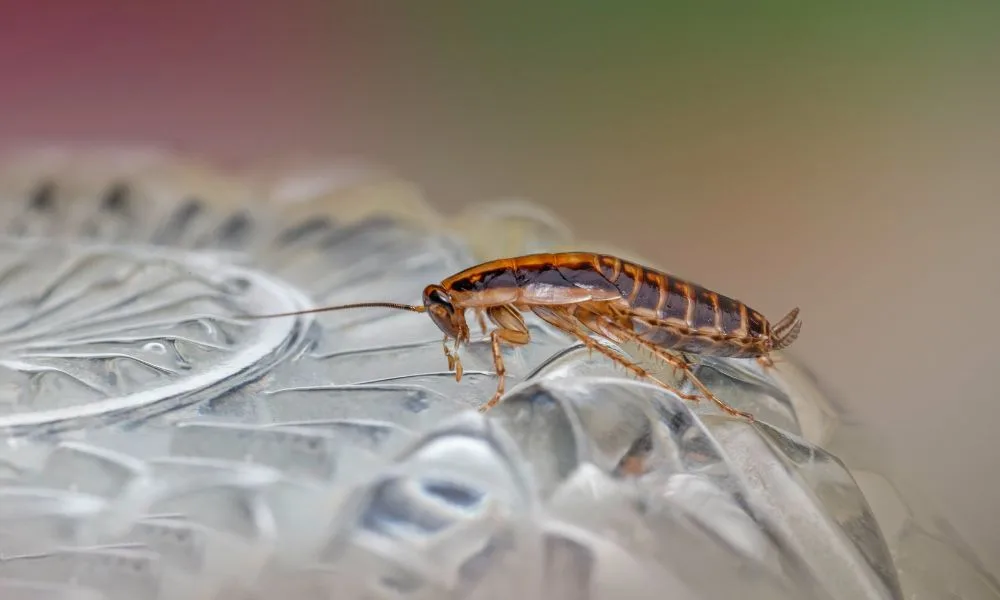
Many common household pests, including rodents and certain cockroach species, are naturally more active at night or during quiet hours. If pests that are typically nocturnal start appearing during the day, it often signals that their population has grown large enough that competition for food or space is pushing some individuals into daytime activity. This shift in behavior is a meaningful warning sign, not just an odd coincidence. Daytime sightings of naturally reclusive pests are one of the clearer indicators that a colony has outgrown its hiding spots.
Physical Evidence That Points to a Larger Problem
Visual sightings are only part of the picture. Physical evidence left behind often tells a more accurate story about the scale of an issue. Homeowners should pay attention to the following signs, which frequently accompany a growing infestation rather than a single stray pest:
- Small droppings near baseboards, cabinets, or storage areas
- Shredded paper, fabric, or insulation used as nesting material
- Grease marks or rub marks along walls and floors from repeated travel
- Gnaw marks on wood, wiring, or packaging
- Discarded wings, shed skins, or egg casings in corners or drawers
Any one of these findings on its own might not confirm a full infestation, but the presence of several together strongly suggests an active, reproducing population rather than a one-time visitor.
Recognizing Repeated Trails and Movement Patterns
Pests that travel the same paths repeatedly, such as ants following a consistent line along a countertop or rodents using the same route behind an appliance, are demonstrating established behavior. These trails form because pests communicate through scent markers or physical memory of a route, and a consistent trail usually means the population has had time to settle into a routine. This is different from the erratic movement of a single insect exploring unfamiliar territory. When a trail becomes predictable and reappears daily, it is a strong indicator that the population has moved beyond an isolated presence and is functioning as an ongoing infestation.
This is often the point at which residents begin searching for information on Clear Defense Pest Control pest control services, since a predictable trail suggests the issue has outgrown simple DIY remedies like spot cleaning or store-bought traps.
Damage to the Property Itself
Structural or material damage is one of the clearest signs that a pest issue has moved past its early stages. Chewed wiring, damaged insulation, weakened wood, or holes in stored fabric all indicate that pests are not just passing through but actively living and feeding within the home. This kind of damage tends to worsen gradually and silently, particularly in areas like attics, crawl spaces, or wall voids that aren’t inspected regularly. By the time damage becomes visible in a living space, it has often been developing out of sight for weeks or months.
Pests Appearing in Multiple Rooms
A single room affected by pest activity might point to a localized entry point or food source. When the same pest starts appearing in multiple, unconnected areas of a home, such as the kitchen, bathroom, and a bedroom closet, it usually means the population has spread through wall voids, plumbing chases, or shared ductwork. This kind of cross-room movement is one of the more reliable signs that an infestation has become established rather than incidental. It also suggests that treating one visible area alone will not resolve the underlying issue, since the source of the population may be entirely separate from where it’s being seen.
Why Early Action Matters
Addressing pest activity while it’s still limited in scope carries real practical advantages. Left unaddressed, small populations can expand into wall voids, insulation, storage boxes, and kitchen cabinetry, areas that are far more difficult and costly to treat once pests have settled in. Early intervention also reduces the risk of secondary problems, such as contamination of food storage areas or damage to electrical systems, which tend to accompany long-term infestations rather than brief encounters. For pest activity that seems to be increasing in frequency or spreading across different parts of a home, a professional evaluation can help determine the actual scope of the issue before it becomes harder to manage. Trained inspectors can identify entry points, nesting locations, and population size in ways that aren’t always obvious to homeowners working from visible signs alone.
Key Takeaways
Recognizing the shift from occasional pest sightings to a genuine infestation comes down to paying attention to patterns rather than isolated incidents. Increasing frequency, unusual daytime activity, physical evidence like droppings or nesting material, repeated trails, structural damage, and multi-room sightings all point toward a population that has moved beyond its earliest stage. Understanding these signs gives homeowners a practical framework for deciding when a situation calls for closer attention, and when early action can make a meaningful difference in how manageable the problem remains.