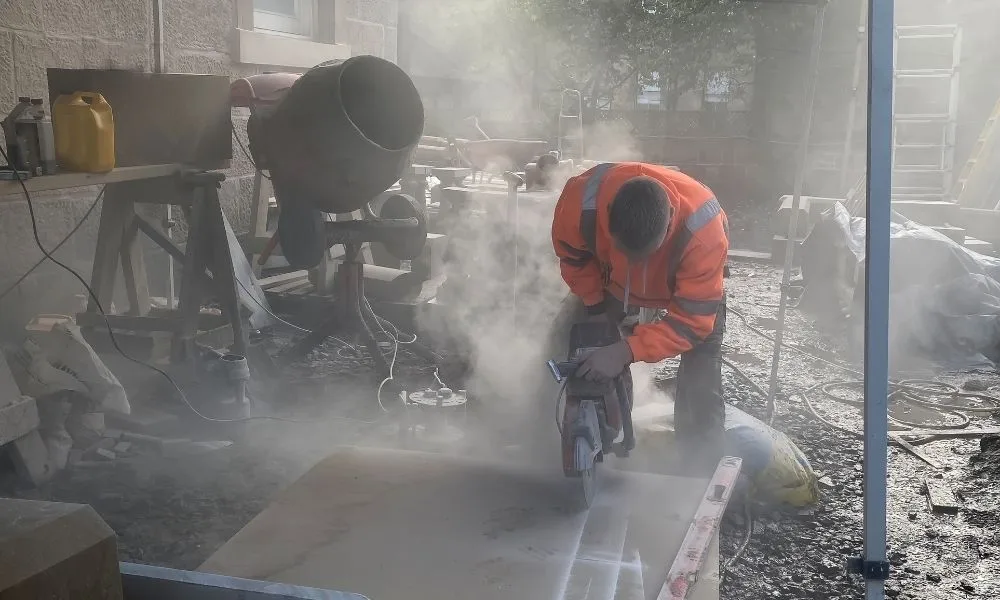
Backyard renovation and landscape redesign projects often begin with demolition, clearing, and large-scale material removal before the finished vision starts to come together. Whether contractors are replacing patios, reshaping terrain, installing outdoor living spaces, or redesigning planting areas, debris accumulates rapidly throughout the project. Without an organized cleanup strategy, materials can quickly spread across the property, slow production, and create unnecessary challenges for crews.
For landscape contractors, cleanup is not something that should wait until the final day of the project. Efficient debris handling throughout the renovation process helps maintain workflow, protects finished areas, and creates a more professional job site from start to finish.
Why Backyard Renovation Projects Generate So Much Debris
Large backyard projects involve both demolition and new construction, which means contractors are dealing with two waste streams at the same time. Existing features must often be removed before new materials can be installed.
Common debris generated during landscape redesign work includes old pavers, broken concrete, fencing materials, soil, sod, vegetation, tree limbs, and packaging from newly delivered materials. Outdoor kitchens, retaining walls, fire pits, pergolas, and drainage systems can also create large amounts of scrap material during installation.
Because work is spread across open outdoor spaces, debris tends to scatter more easily than it would on interior construction projects. Without regular cleanup, the property can become difficult to navigate very quickly.
Creating a Cleanup Plan Before Work Begins
One of the most effective strategies for keeping backyard renovations organized is establishing a cleanup plan before demolition starts. Contractors who plan ahead are able to manage debris consistently instead of reacting to clutter after it becomes a problem.
This includes identifying where debris will be collected, determining how materials will move across the property, and planning where disposal containers will be placed. Contractors should also consider how different phases of work will affect debris generation throughout the timeline of the project.
A structured cleanup plan helps crews stay productive and minimizes interruptions during active installation phases.
Using Centralized Disposal to Improve Workflow
A centralized disposal area is one of the most important components of an efficient backyard cleanup strategy. Instead of creating multiple debris piles throughout the property, crews can move waste directly to a designated location as work progresses.
Many contractors coordinate debris removal through Waste Removal USA to simplify disposal during large landscape renovation projects. Having a centralized container helps keep the site organized and reduces the amount of repeated handling required throughout the project.
This approach also prevents finished or partially completed areas from becoming contaminated with debris during ongoing work.
Positioning Containers Strategically
Container placement can significantly affect productivity during backyard renovations. A poorly positioned dumpster may force crews to carry heavy materials long distances or work around unnecessary obstacles.
The ideal placement allows easy access while minimizing disruption to the property. Contractors often position containers near driveways, side access points, or central work areas where debris can be transported efficiently without interfering with ongoing installations.
Placement should also account for delivery and pickup access, especially on properties with limited space or narrow entrances.
Managing Soil, Brush, and Heavy Materials
Backyard redesign projects frequently involve grading, excavation, and vegetation removal, all of which generate heavy and bulky materials. Soil, stone, and concrete can quickly consume container capacity if not managed properly.
To improve efficiency, contractors often separate heavier materials from lighter organic debris when possible. Breaking down bulky vegetation and cutting branches into smaller sections also helps maximize available space inside the container.
Monitoring weight distribution is equally important. Uneven loading can create hauling issues and reduce the efficiency of debris removal operations.
Protecting Finished Areas During Cleanup
One of the biggest challenges during landscape redesign work is protecting newly completed features while construction continues elsewhere on the property. Fresh sod, pavers, decorative stone, and planting beds can easily be damaged by ongoing debris movement.
Contractors can reduce these risks by establishing designated transport routes for debris and limiting movement through finished sections of the project. Keeping cleanup organized throughout the process prevents unnecessary damage and helps preserve the quality of completed work.
Consistent cleanup also improves the appearance of the site, which can make a significant difference in how homeowners perceive project progress.
Maintaining Daily Cleanup Routines
Waiting until the end of a project to address debris often leads to larger cleanup challenges and reduced productivity. Daily cleanup routines help prevent materials from accumulating faster than crews can manage them.
Contractors who maintain consistent cleanup practices are able to keep work areas more organized, improve crew movement across the property, and reduce delays caused by cluttered conditions. This also makes it easier to identify hazards and maintain safe working environments throughout the project.
Even simple end-of-day cleanup routines can dramatically improve overall efficiency during multi-week backyard renovations.
Coordinating Cleanup with Multiple Crews
Landscape redesign projects often involve several crews working at once. Hardscape installers, irrigation specialists, grading teams, electricians, and planting crews may all contribute to debris generation at different stages of the project.
Without coordination, cleanup responsibilities can become unclear. Contractors should establish consistent disposal procedures and communicate expectations to all crews before work begins.
This helps ensure debris is removed regularly instead of being left behind for other teams to handle later.
Reducing Safety Risks Across the Property
Outdoor renovation projects involve uneven terrain, equipment movement, excavation areas, and heavy materials. Debris scattered throughout the property increases the risk of accidents for both workers and homeowners.
Proper cleanup strategies help keep walkways clear, reduce tripping hazards, and improve visibility around active work zones. Maintaining cleaner conditions also supports safer operation of skid steers, compact loaders, and other landscaping equipment.
A well-maintained site not only improves safety but also helps crews work more efficiently throughout the project.
Adapting Cleanup Strategies as the Project Evolves
Backyard renovations rarely stay static from beginning to end. As new features are installed and work zones shift, cleanup strategies may need to evolve as well.
Containers may need to be relocated, debris collection points adjusted, or service frequency increased during heavy demolition or excavation phases. Contractors who remain flexible are better able to maintain organization even as project conditions change.
This adaptability helps ensure that debris management continues supporting productivity instead of becoming an obstacle later in the project.
Improving Overall Project Efficiency
Effective cleanup strategies contribute directly to project efficiency. When crews are not constantly working around debris piles or relocating waste multiple times, they can stay focused on productive tasks.
Organized cleanup also helps maintain better communication between teams, reduces unnecessary labor, and supports smoother transitions between project phases. Homeowners notice these differences as well, particularly on projects that take place over several weeks or months.
For contractors, maintaining an organized site often leads to stronger client confidence and a more professional overall presentation.
Cleanup strategies play a critical role in the success of backyard renovation and landscape redesign projects. By planning debris removal early, using centralized disposal solutions, and maintaining consistent cleanup routines throughout construction, landscape contractors can keep projects organized and efficient from start to finish.
When debris is handled properly, crews work more productively, finished areas remain protected, and the entire project runs more smoothly. For large outdoor renovations, effective cleanup is not just the final step—it is an essential part of the construction process itself.