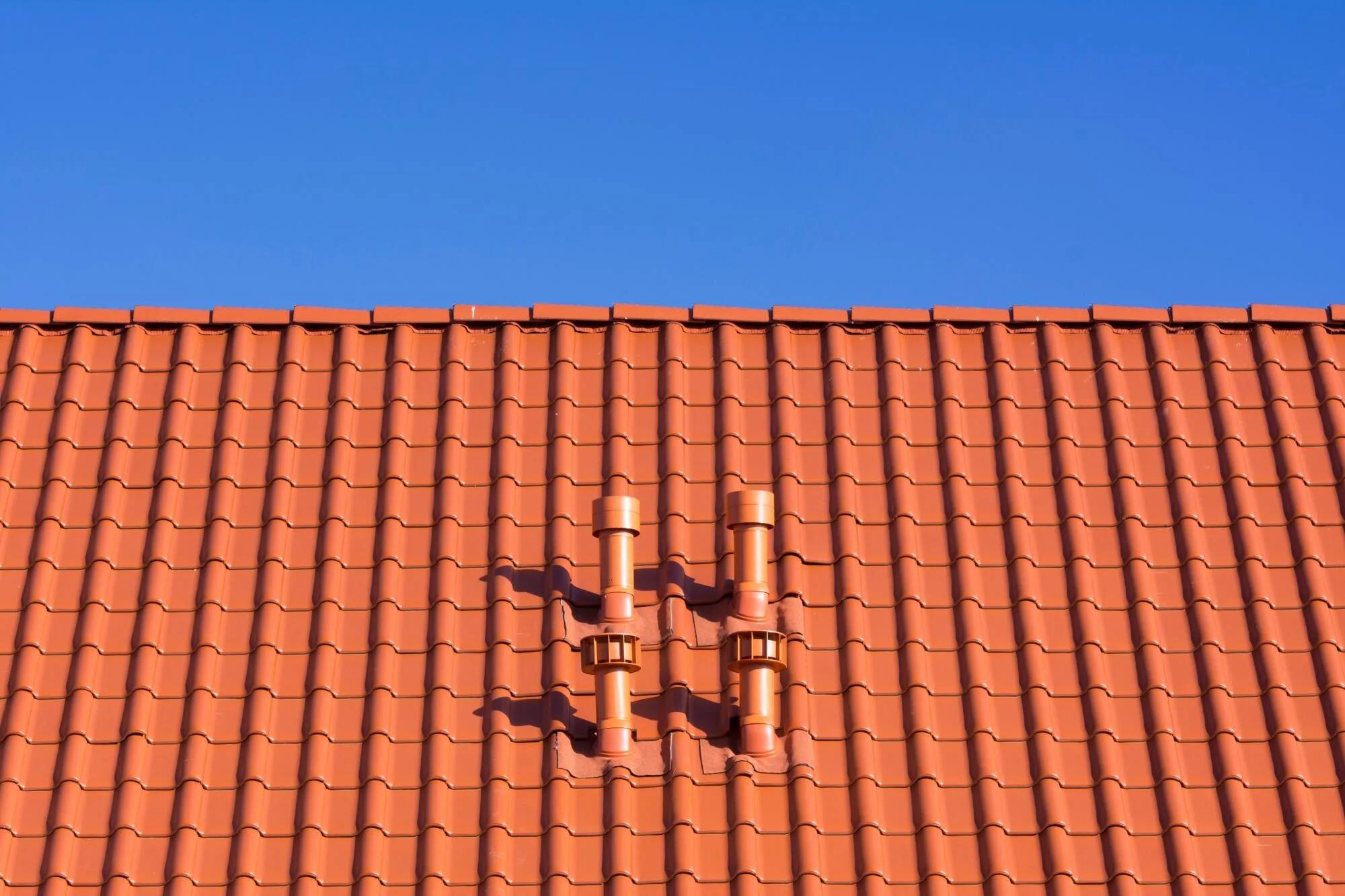
Heavy rain has a way of exposing weaknesses you did not even realize were there. A small roof issue, a slow drainage problem, or a thin crack in the foundation can turn into a major repair once storms become consistent. Minor vulnerabilities that seem harmless during dry months often surface quickly when rainfall intensifies.
Preparation makes the difference between a manageable season and unexpected damage. Roof inspections help prevent interior leaks. Drainage systems must carry water safely away from the structure. Foundation sealing blocks moisture before it reaches living spaces. Windows and doors need reliable weatherproofing to stop wind-driven rain. Sump pumps should operate without hesitation if groundwater levels rise.
Roof Inspection and Targeted Repairs
Your roof carries the full burden of every storm. Shingles, flashing, and sealants form a protective layer that keeps moisture out of your attic and ceilings. Even slight wear can weaken that protection once rain becomes steady and persistent.
Loose shingles often appear harmless at first glance, yet they create openings where water can slip beneath the surface. Damaged flashing around chimneys and vents allows moisture to seep into hidden areas. Dark patches in the attic or faint ceiling stains usually signal a slow leak that has already started. A professional inspection offers clarity.
Drainage System Check and Downspout Connections
Once rainwater leaves the roof, it needs a clear path away from your home. Downspouts that connect directly to underground drainage systems play a critical role in protecting the foundation. Proper flow ensures that water does not collect around exterior walls.
Underground lines can develop issues over time. Soil shifts, debris buildup, or crushed piping may interrupt the system’s ability to carry water away efficiently. Pooling near the base of the home after rainfall often signals a deeper drainage concern. Persistent soggy soil deserves attention before heavier storms arrive. Look up drainage services near me to find local professionals who can inspect underground lines and restore proper water flow before heavy rain sets in. This keeps it direct, useful, and aligned with the tone of the article without sounding like an ad or filler. Professional assessment helps uncover hidden problems that simple surface checks cannot reveal. Reliable drainage protects structural stability and reduces long-term moisture risks.
Foundation Crack Sealing and Waterproofing
Moisture pressure builds around foundation walls during extended periods of rain. Small cracks may expand as the surrounding soil absorbs water and shifts. A thin fracture that seems minor today can allow seepage tomorrow.
Inspection of basement walls often reveals early warning signs. Damp spots, musty odors, or subtle discoloration indicate that moisture may already be entering. Sealing visible cracks with quality waterproof compounds strengthens the barrier between soil and structure. Structural professionals can evaluate deeper concerns if movement appears. Doors that stick or floors that feel uneven may point to shifting foundations.
Window and Door Weatherproofing
Wind-driven rain frequently targets windows and doors. Worn caulking and aging weatherstripping create small gaps that allow moisture to seep into walls. Over time, repeated exposure can damage framing and interior finishes.
Close inspection of window frames reveals cracked or shrinking sealant. Replacing brittle weatherstripping restores a tight seal and prevents water intrusion. Proper flashing above windows guides rain outward rather than into seams. Exterior doors benefit from secure thresholds and intact seals along the edges. Attention to these details keeps indoor areas dry even during intense storms.
Sump Pump Testing and Backup Planning
Basements face increased risk when rainfall becomes prolonged. Rising groundwater levels place pressure on foundation walls and floors. A dependable sump pump serves as a safeguard against flooding.
Testing the system before the rainy season ensures reliable performance. Pouring water into the sump pit confirms that the pump activates and discharges properly. Clearing debris from the pit helps prevent mechanical strain. Power outages sometimes accompany severe storms. A battery backup system keeps the pump running when electricity fails.
Exterior Wall Sealing and Surface Protection
Exterior walls are constantly exposed during the rainy season. Over time, small imperfections in siding, brick, or stucco allow moisture to seep beneath the surface. Water intrusion does not always show immediate signs, yet it gradually weakens structural materials and reduces insulation efficiency.
A thorough inspection helps identify trouble spots. Cracked paint, deteriorating mortar joints, and small gaps around trim pieces often signal vulnerability. Sealing these areas with weather-resistant materials reinforces the outer shell of the home. Fresh exterior paint designed to resist moisture adds another layer of defense. Wood siding requires special attention. Prolonged exposure to water can lead to swelling and eventual rot. Resealing exposed wood surfaces prevents deterioration and extends the life of exterior finishes.
Basement and Crawl Space Moisture Control
Lower levels of the home often face hidden moisture buildup during extended periods of rain. Even when visible leaks are absent, humid air can settle in basements and crawl spaces. Excess moisture creates ideal conditions for mold growth and musty odors.
Inspection of crawl spaces should include checking vapor barriers and insulation. Damaged or poorly installed barriers allow ground moisture to rise into the space above. Sealing gaps and ensuring proper coverage reduces humidity levels and protects structural components. Dehumidifiers provide additional support during especially damp months. Balanced indoor humidity protects stored items and improves overall air quality.
Outdoor Structure Reinforcement
Decks, patios, and fences endure repeated exposure to rain and fluctuating temperatures. Wood surfaces in particular can absorb moisture, leading to warping or surface cracks. Metal fasteners may loosen over time due to expansion and contraction.
Inspection of deck boards and railings helps maintain stability. Tightening loose hardware ensures that structures remain safe during wet conditions. Applying a protective sealant to wooden surfaces helps repel water and reduce long-term wear. Patios benefit from proper surface drainage.
Rainy seasons test the strength of every part of a home. Solid preparation turns that test into a manageable routine rather than a stressful emergency. Roof maintenance protects the top layer. Proper drainage directs water safely away. Sealed foundations and weatherproof openings block moisture from entering living spaces. Reliable sump pumps guard against rising groundwater. Exterior walls and outdoor structures remain durable when reinforced ahead of time.
Each improvement supports the next, creating a unified defense against heavy rainfall. Early action saves money, protects structural integrity, and preserves indoor comfort. Thoughtful preparation today ensures that when the rain arrives, your home stands ready.