If you live in Boulder, your roof deals with more than the usual wear and tear. Intense sun, sudden hail, heavy snow, and quick temperature swings can age roofing materials faster than many homeowners expect. A roof replacement here isn’t just a cosmetic upgrade. It’s a practical decision tied to weather protection, energy performance, insurance questions, and long-term home value.
How the local climate puts your roof under real pressure
Roofs in Boulder have a rough job description. They face high UV exposure because of the elevation, then get hit with snow loads in winter and hail during storm season. That combination can weaken shingles, crack flashing, and expose small vulnerabilities that turn into leaks.
You might not notice damage right away. A roof can look decent from the driveway while moisture slowly works beneath the surface. Ice dams, lifted tabs, and granule loss often start quietly.
Signs you may need replacement instead of another repair
A repair makes sense when damage is isolated. A replacement enters the conversation when problems start stacking up like unpaid parking tickets. One leak near a vent boot is one thing. Repeated leaks, curling shingles, widespread hail bruising, or sagging sections point to larger failure.
Watch for these common signs:
- Shingles that are cracked, bald, or missing
- Water stains on ceilings or in attic spaces
- Soft spots in the roof deck
- Flashing that has separated around chimneys or skylights
Multiple repairs over a short period can become a money pit. At some stage, you’re not extending the roof’s life much. You’re just buying time in expensive little chunks. When several of these signs show up at once, a full installation is the only thing that actually resolves them.
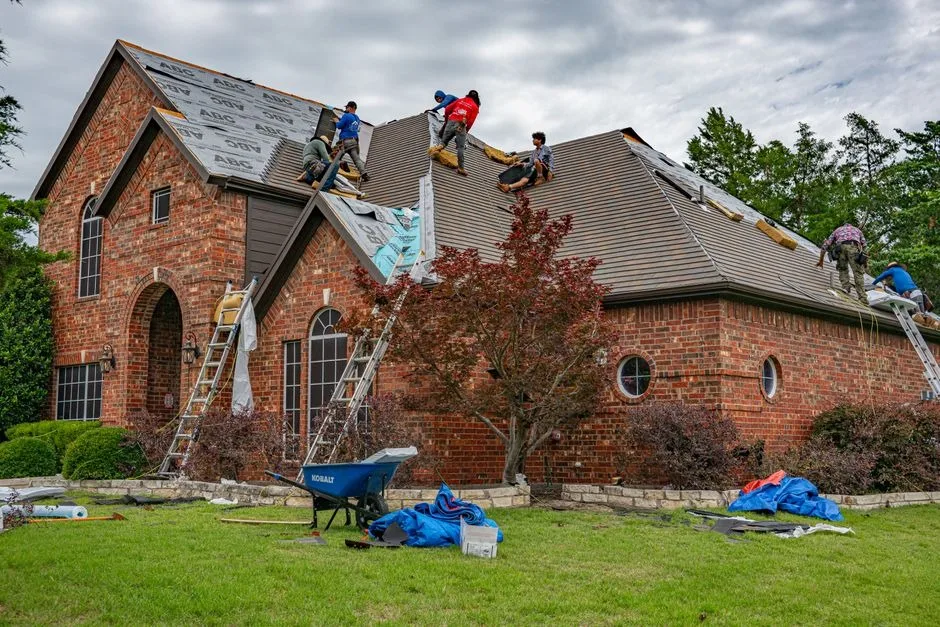
The best way to handle a situation like this is to contact an experienced Boulder roofing installation company to strip the old system and put down a new one. A good crew replaces any compromised decking before the new material goes on.
Material choice affects lifespan, maintenance, and energy use
Not all roofing materials perform the same way, and Boulder’s weather exposes weak choices fast. Asphalt shingles remain common because they’re affordable and widely available. Even within that category, quality varies a lot. Architectural shingles generally offer better wind resistance and longer life than basic three-tab shingles.
Metal roofing is attractive for snow shedding and longevity, though installation quality matters a great deal. Poor fastening or flashing details can cancel out the benefits. Tile and synthetic products may also work well depending on the structure and slope of your home.
When you compare options, look beyond color and upfront cost. Ask about:
– Impact resistance ratings
– Wind ratings
– Warranty details
– Ventilation compatibility
– Expected maintenance needs
– Energy efficiency in strong sun exposure
A cheaper roof can become the pricey option if it struggles through the next hail season.
Permits, codes, and HOA rules can complicate the timeline
Roof replacement sounds straightforward until paperwork enters the chat. In Boulder, permit requirements, inspection rules, and local building standards can affect scheduling and material decisions. If your neighborhood has a homeowners association, you may also need approval for color, style, or material changes.
Ventilation, ice barrier placement, and structural concerns can trigger code-related updates during the project. Older homes sometimes reveal surprises once the old roof is removed. Rotten decking, outdated ventilation, or previous shortcut repairs can all add work.
Before the project starts, ask clear questions about:
– Expected inspection steps
– HOA approval needs
– Possible change orders
– Deck replacement pricing
– Cleanup and disposal plans
The goal isn’t to expect disaster. It’s to avoid acting shocked when an old roof turns out to have old-roof behavior.
Cost planning should include more than the visible bid
Roof pricing isn’t always apples to apples. Two bids can look similar at first glance while covering very different levels of work. One might include upgraded underlayment and flashing replacement, while another quietly leaves those items out.
A proper estimate should break down labor, materials, tear-off, disposal, underlayment, flashing, ventilation adjustments, and deck repair allowances. If a quote is dramatically lower than others, that gap usually comes from omissions, not magic.
Insurance can also play a role after hail or storm damage, but not every aging roof qualifies for meaningful coverage. Deductibles, depreciation, and policy details matter.
Try to budget for the expected extras, not just the starting number. Roof replacement often becomes more manageable when you prepare for hidden conditions instead of hoping your house will be the one with zero surprises.
Smart homeowner prep makes the project smoother
A roof replacement can be noisy, messy, and mildly chaotic for a few days. Good preparation helps a lot. Move vehicles away from the driveway, cover attic items if dust is a concern, and secure fragile wall decor since hammering vibrations can travel more than people expect.
You should also let neighbors know about the work, especially in tighter residential areas. It’s a small courtesy that prevents a lot of annoyed glances over fences.
Here are a few practical steps:
– Trim access-blocking tree branches
– Keep pets indoors or elsewhere during work hours
– Mark sprinkler heads or delicate landscaping
– Ask where materials and dumpsters will be placed
– Confirm daily start and stop times
– Take before-project exterior photos for records
The project ends faster and with fewer headaches when everyone knows what’s happening. Roof work is never silent, but it doesn’t have to feel like a full-blown domestic uprising.
A new roof should support long-term home performance
A roof replacement isn’t just about stopping leaks. It affects insulation performance, attic airflow, moisture control, curb appeal, and resale confidence. Buyers notice a newer roof, but they also care whether it was installed well and documented properly.
Keep records of the contract, materials used, warranty information, permit details, and final inspection results. Those documents matter later, whether you file an insurance claim or sell the house.
If you’re replacing your roof in Boulder, think beyond the immediate fix. Choose materials that fit the climate, ask technical questions, compare bids carefully, and pay attention to the installation process itself.
A roof sits quietly over your head for years, which makes it easy to ignore. Then one storm exposes every shortcut at once. Better decisions now can spare you that very expensive weather report later.