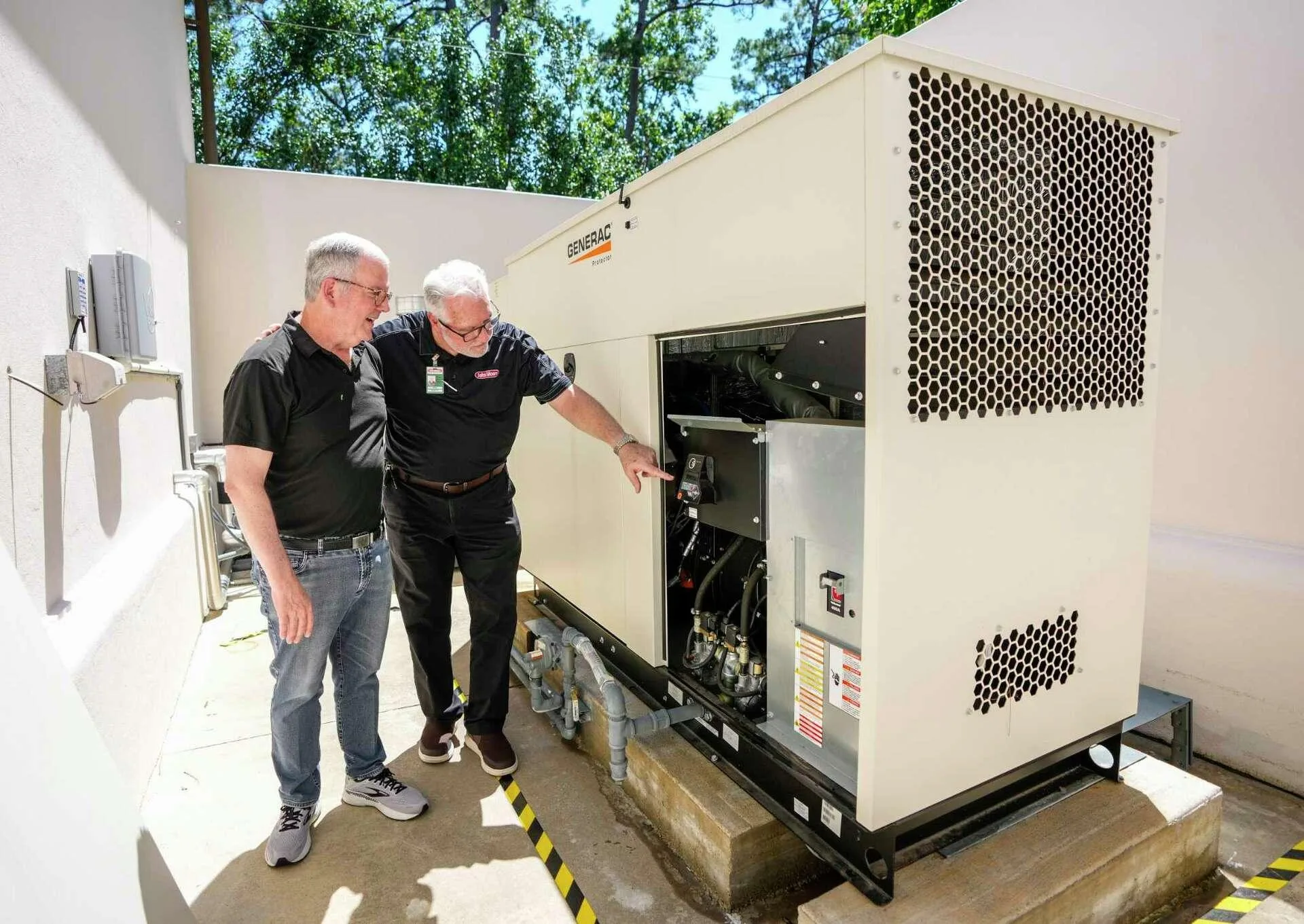
Generator services in Houston go beyond selling equipment. Providers may handle sizing, installation, maintenance, repairs, fuel systems, emergency service, monitoring, upgrades, and commercial backup power.
Houston is the capital of Texas. It is also the largest city in the Gulf Coast metropolitan area. Its hot summers, severe thunderstorms, and exposure to hurricanes can increase the risk of power outages, making reliable backup power especially important. Having a properly sized and professionally installed generator can help homeowners maintain essential power when the electrical grid goes down.
Many Texas homeowners choose trusted generator brands like Generac for their backup power needs. While Generac generators are designed for convenient operation, it is best to consult a Generac installer in Houston for system selection and service. A qualified installer can recommend the right system, handle installation, and provide ongoing service to keep the generator ready when it is needed most.
This article explores the main generator services in Houston to help homeowners understand their options and choose the right support.
Generator Consultation and Sizing
An assessment considers electrical loads, fuel availability, panel capacity, budget, and whether you need essential or whole-home coverage. Sizing should account for air conditioning, refrigeration, pumps, medical equipment, lighting, security systems, and motor-starting loads.
Installation and Transfer Switches
Standby generators are permanently installed outdoors and connected through an automatic transfer switch. During an outage, the switch moves selected loads or the entire property to generator power.
Installation may involve:
- Equipment placement
- Electrical connections
- Fuel-line coordination
- Permits and inspections
- Startup testing
Maintenance and Repair
Maintenance can include oil and filter changes, battery checks, fuel inspections, electrical testing, and transfer-switch testing. Repair technicians can diagnose starting failures, overheating, fuel problems, fault codes, and transfer-switch issues.
Emergency and Fuel Services
Some Houston providers offer emergency repairs, although storm-related availability varies. Ask whether technicians provide after-hours service and support your generator brand. Fuel services may cover natural-gas or propane connections, pressure testing, leak checks, pipe sizing, and tank coordination. The choice depends on equipment and property infrastructure.
Commercial Generator Services
Businesses may need generators for refrigeration, communications, security, data systems, manufacturing, or other critical operations. Services can include load analysis, transfer equipment, fuel planning, maintenance, and repairs.
Monitoring and Replacement
Modern generators may offer remote monitoring for status, fault codes, maintenance reminders, battery condition, and exercise cycles. Monitoring can identify problems earlier but does not replace servicing.
An older generator may need replacement when failures become frequent, parts are unavailable, electrical loads have increased, or repairs approach replacement costs. Start replacements with a fresh load assessment.
Houston Weather Planning
Houston’s heat, hurricanes, heavy rain, and severe storms create different backup-power needs. Planning should consider cooling, pumps, flood exposure, equipment placement, fuel availability, and technician access.
Load Management
Load-management systems can automatically prioritize essential equipment when demand approaches the generator’s capacity. This can help prevent overloads while allowing homeowners to use more electrical appliances.
Battery Replacement
The starting battery is critical because a standby generator must start automatically during an outage. Regular testing and timely replacement can reduce the risk of a generator failing to start when needed.
Choosing a Provider
Compare providers on licensing, insurance, brand experience, permits, maintenance plans, emergency availability, warranty support, and written estimates.
Ask who handles electrical and fuel work, what the generator will power, which permits are required, and what happens if it fails.
Key Takeaways
- Choose a generator based on your home’s power needs, fuel availability, and budget.
- Professional installation ensures proper electrical connections, fuel setup, and transfer-switch operation.
- Regular maintenance helps keep the generator reliable and ready for outages.
- Houston homeowners should consider weather risks, fuel supply, and essential power needs when planning backup power.
- Compare providers based on experience, licensing, emergency service, warranties, and maintenance support.