Your roof does a lot of quiet work. It takes the sun, wind, rain, and surprise branch attacks so you don’t have to. The problem is that roof issues usually start small and sneaky. By the time you notice a drip in the living room, your roof may have been waving a tiny red flag for months. If you know what to look for early, you can catch trouble before it turns into a budget-busting mess.
Early warning signs
One of the smartest things you can do is notice changes around your home before they become dramatic. A roof rarely fails all at once. It usually gives clues first. You might see shingles that look curled, cracked, or oddly patchy from the ground. You may also notice dark streaks, sagging spots, or bits of roofing material near downspouts.
If you spot these clues, it may be time to call professional roofing contractors to figure out whether you need a repair or just a closer look. That’s especially true if your roof is older or you’ve had rough weather lately.
Pay attention to your gutters too. If they fill up with shingle granules that look like coarse black sand, your roof may be wearing down faster than it should. Think of it as your roof shedding stress glitter.
Check after storms
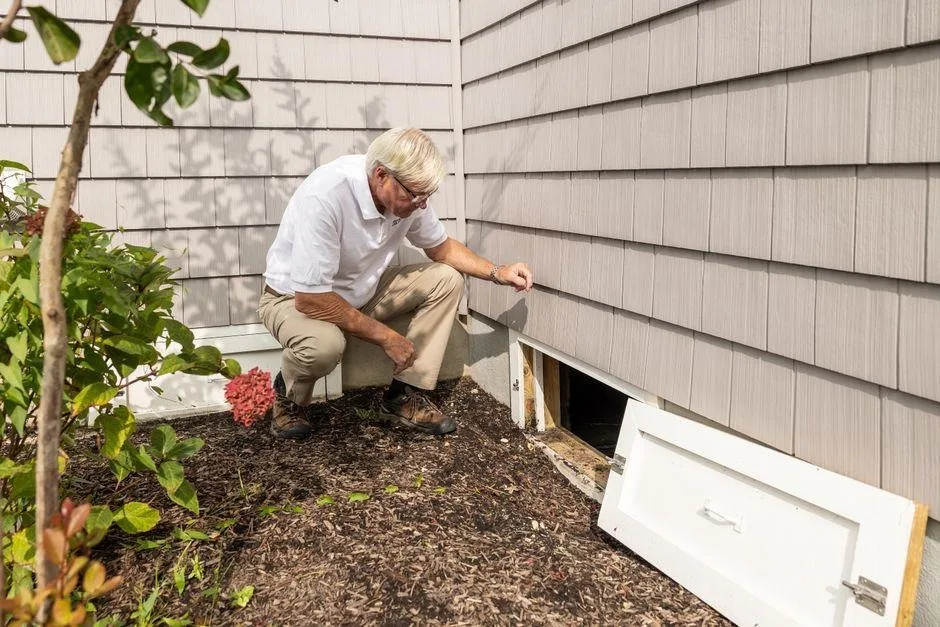
After a storm, your roof deserves a quick visual check. You don’t need to climb up there with a flashlight and superhero confidence. Just walk around your home and look from the ground. Missing shingles are an obvious sign, but they’re not the only one. Bent flashing, dented vents, and loose gutter sections can also point to damage.
Check your yard for pieces of shingles or metal. Wind can scatter roofing parts in sneaky places, including behind shrubs and along fences. Hail damage is trickier because it may not scream for attention right away. You might only notice small dents on gutters or downspouts at first.
Inside the house, keep an eye out for new water spots after heavy rain. If your roof took a hit, the signs may show up on the ceiling before they show up anywhere else. Storm damage likes to play hide-and-seek, and it’s annoyingly good at it.
Look inside too
Roof problems don’t always announce themselves on the outside. Sometimes the biggest clue is in your attic, hallway, or upstairs bedroom. If you notice a musty smell near the ceiling, peeling paint, or a faint brown stain that seems to grow after rain, your roof may be letting in moisture.
Your attic can tell you a lot. If it feels damp, unusually hot, or drafty, that may point to ventilation or leak issues tied to the roof. Wet insulation is another warning sign. It should feel dry and fluffy, not heavy and clumped like a soggy blanket.
Watch for mold on rafters or around vents. Even a little moisture can create bigger problems over time. If a room suddenly feels harder to keep warm or cool, your roof system may be part of the reason. Roof trouble doesn’t always drip dramatically. Sometimes it just quietly makes your home less comfortable.
Small issues grow fast
A tiny roof problem can snowball before you realize what’s happening. One loose shingle may not seem urgent, but if water slips underneath, it can soak the underlayment and spread into the wood below. From there, you might end up dealing with rot, mold, stained ceilings, and even damaged insulation.
That damage can affect your energy bills too. Wet insulation doesn’t do its job well, so your heating and cooling system has to work harder. That means your roof problem can slowly turn into a comfort problem and a money problem at the same time.
The frustrating part is how ordinary it starts. A small stain. A faint smell. A few granules in the gutter. None of those look like a major emergency on day one. Left alone, though, they can become the kind of repair that makes you stare silently at the estimate for a full minute.
Know when to call
A simple visual check from the ground is a good habit. It helps you catch obvious problems early. Still, there’s a big difference between noticing a warning sign and knowing what caused it. If you see sagging areas, repeated leaks, missing shingles, or signs of water in the attic, it’s time to bring in a pro.
Safety matters here. Roofs are slippery, steep, and not forgiving. If you’re tempted to climb up for a closer look, remember that a hospital visit is a terrible home maintenance strategy.
A professional inspection also helps when the damage is subtle. Not every issue is visible from below, and not every leak starts right above the stain you see inside. A trained roofer can check flashing, ventilation, weak spots, and storm damage in a way that saves you guessing. When the signs keep popping up, calling for expert help usually costs less than waiting.
Build a roof routine
The easiest way to avoid surprise roof repairs is to make roof checks part of your regular home care. You don’t need a complicated system. A few simple habits each season can go a long way. In spring and fall, walk around your home and look for missing shingles, clogged gutters, and anything that seems out of place.
After major storms, do another quick check. Inside, peek at ceilings, attic corners, and upper walls for stains or dampness. Trim tree branches that hang too close, since they can scrape shingles or drop debris where moisture gets trapped.
It also helps to stay on top of practical home advice from sources like Opino Home, especially if you’re building better maintenance habits one project at a time. Your roof doesn’t need constant attention, but it does need some. A little routine care now can help you avoid a big and very unfun surprise later.