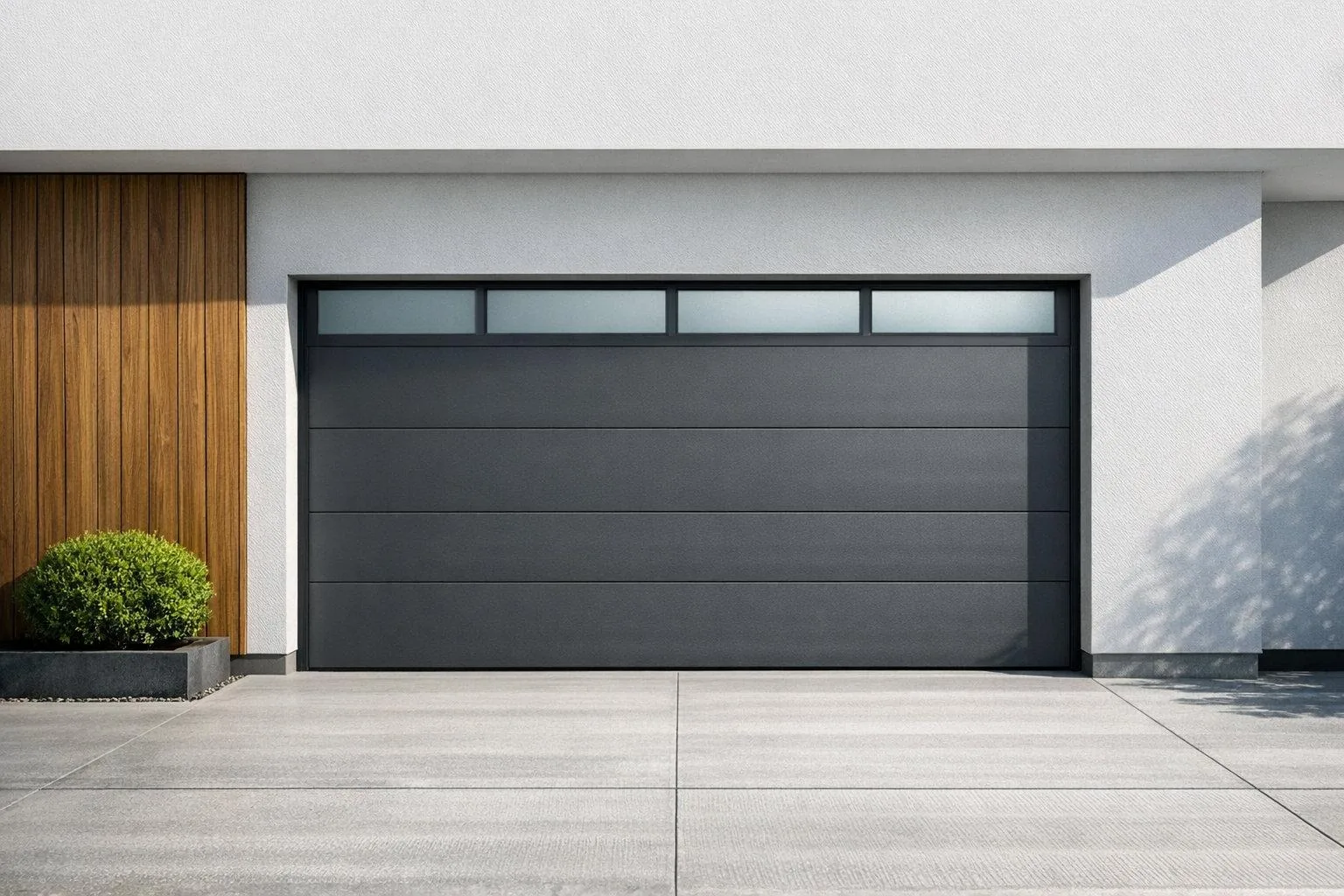
Garage doors play a central role in modern home exteriors, influencing curb appeal and design identity. Selecting the right door preserves architectural harmony and enhances daily use. Careful integration transforms a necessary feature into an element that supports contemporary design.
The garage door is often the largest single element on a home’s facade, making its design critical to the overall exterior impression. In contemporary architecture, maintaining a unified visual language requires careful consideration of garage door selection along with other exterior details. Choosing a door that complements the surrounding materials, geometry, and palette, as well as operating reliably, can significantly enhance curb appeal. For many homeowners, residential garage door installation is part of achieving a cohesive and modern exterior that reflects an emphasis on both style and function.
Responding to architectural cues and facade rhythm
Contemporary homes are characterized by crisp lines, balanced proportions, and a deliberate use of solid and transparent surfaces. The placement and layout of windows and wall cladding create a rhythm that a garage door should match rather than disrupt. When selecting a door, consider whether your home’s architecture emphasizes horizontal lines with wide openings or verticality with tall, narrow forms.
Mirroring these architectural cues can be accomplished by matching the panel arrangement or grain direction of the door to the facade’s main geometry. For example, in homes with pronounced horizontal siding, a door with long, continuous panels reinforces the architectural intent. Aligning windows or design details to correspond with existing fenestration helps the door feel well-integrated within the wider structure.
Selecting modern materials and understated finishes
The choice of materials for your garage door makes a significant difference in achieving a contemporary look. Steel, aluminum, and composite doors are valued for durability and minimalistic profiles, often fitting well with sleek exteriors. For those who favor natural warmth, wood and wood-effect finishes remain options, usually in simple, streamlined forms.
To maximize modern appeal, surfaces with matte finishes or gentle texturing help avoid unwanted reflections that can date a facade. Prominent wood grains or high-gloss treatments tend to detract from the clean lines prevalent in contemporary design. Some homeowners turn to providers like DuraServ to select hardware or trim, focusing on restraint by opting for integrated, understated components rather than features that draw attention.
Developing a cohesive color strategy for harmony
Coordinating your garage door’s color with surrounding exterior elements is important for overall cohesion. Many homeowners choose to match the door to trim, window frames, or entrance doors, preventing the garage from becoming a focal point due to stark contrast. Tone-on-tone schemes—such as a charcoal gray door against deep gray siding—support a seamless exterior.
For those preferring a bolder look, high-contrast choices such as jet black on white can express a stronger contemporary intent. It is crucial, however, to keep undertone consistency throughout materials and paint colors to avoid clashing effects. Comparing paint swatches to existing siding or brickwork in natural daylight can help ensure the garage door integrates purposefully with your design vision.
Designing panels, glass, and subtle hardware
Panel design is a key characteristic in modern garage doors. Flush panels and minimalist groove details contribute to the streamlined appearance of contemporary homes, in contrast to traditional raised or shaker profiles. Subtle horizontal micro-ribs can create gentle shadow lines without overpowering the overall facade.
Incorporating windows can address both practical and visual needs. Top-row glazing allows natural light into the garage while echoing the shapes and placements of the home’s other windows. Privacy is achievable with frosted or tinted glass, while slim rectangular shapes can enhance the contemporary effect.
Lighting, landscaping, and performance considerations
Exterior lighting plays a role in how a garage door is perceived at night. Wall sconces with simple geometric shapes, placed on either side of the door, provide even lighting and draw attention to surface details. Using warm or neutral white bulbs helps preserve the natural color of the door material after dark.
Hard landscaping, like linear driveway patterns and symmetrical planting beds, can visually reduce the scale of a wide garage door. Incorporating plant borders or low walls softens transitions from pavement to building, subtly diminishing the door’s prominence. Performance factors, including appropriate insulation and weather seals, affect door thickness and trim while delivering energy and comfort benefits. Quiet, smooth operation adds to a sense of quality consistent with contemporary standards.
Avoiding common visual missteps and ensuring intent
Common errors in garage door selection arise from overlooking the proportions of the home or combining finishes that cause visual discord. Oversized glass panels can disturb the elevation’s overall balance or reveal more of the interior than intended, so glass should be sized and positioned thoughtfully. Avoid ornate panel designs or decorative hardware unless these elements directly correspond with other exterior details.
Before making your final garage door selection, consider a checklist: Does the door’s design echo the main lines of the facade? Are materials, color, and hardware compatible with modern aesthetics? Do lighting and landscaping choices enhance the look? Focusing on these details can help ensure your garage door integrates effectively into a contemporary home exterior.