Every season brings a new set of conditions that influence how pests behave, where they travel, and why they suddenly appear in places they were absent just weeks before. Homeowners in North Georgia often notice this firsthand as temperatures swing, rainfall patterns change, and humidity levels rise and fall throughout the year. Understanding these shifts can help residents recognize early warning signs before small pest issues turn into persistent problems.
Pests are driven primarily by survival instincts. They seek stable temperatures, accessible moisture, and reliable food sources. When outdoor conditions no longer meet those needs, homes become an attractive alternative. Recognizing this pattern is the first step toward protecting a property year-round.
Temperature Swings and Their Effect on Pest Movement
Insects and rodents are highly sensitive to temperature changes, often more so than people realize. Many species regulate their activity based on external heat rather than internal body temperature, which means even a moderate cold snap can push pests to search for shelter. As fall approaches and nighttime temperatures begin to drop, ants, spiders, and rodents often start moving toward structures that offer consistent warmth.
This is one of the most common reasons homeowners see an uptick in pest sightings during transitional months. A well-insulated home retains warmth efficiently, which unfortunately makes it appealing to pests looking to escape dropping temperatures outside. This seasonal shift is a major reason many households begin researching Dawsonville pest control services as autumn approaches, since early intervention tends to prevent larger infestations later in the season.
Rainfall and Humidity: Silent Triggers for Pest Activity
Rainfall plays a major role in pest behavior, often more than people expect. Heavy or prolonged rain can flood underground nests, saturate soil, and eliminate the natural habitats of many insects. When this happens, pests such as ants and cockroaches may relocate to drier areas, and a home’s foundation, crawl space, or garage can become a convenient refuge.
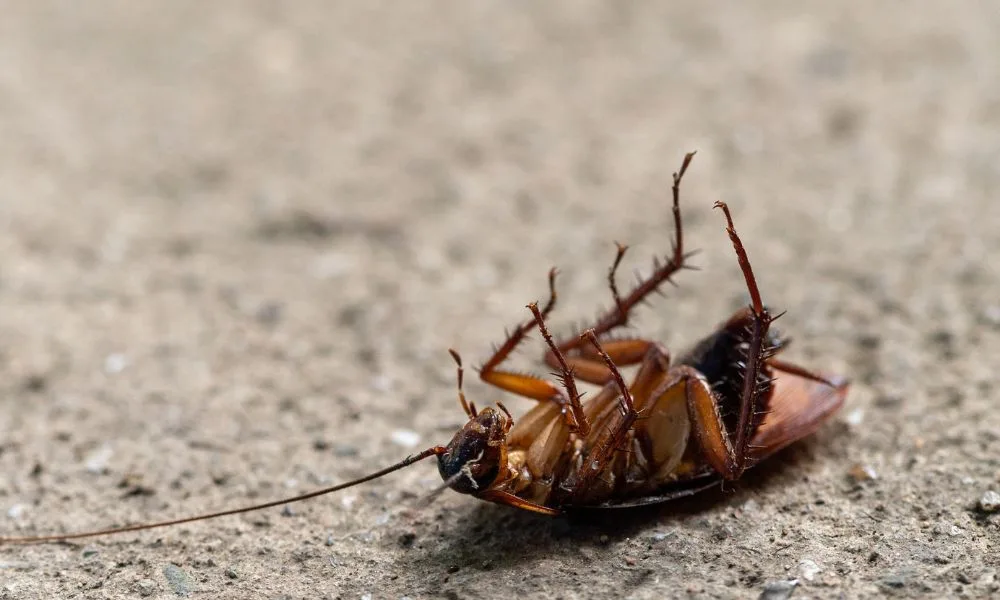
Humidity levels also influence pest survival. Cockroaches, for example, thrive in warm, moist environments and are drawn to areas with leaky pipes, damp basements, or poor ventilation. According to general pest control industry knowledge, moisture control is one of the most effective long-term strategies for reducing indoor pest activity, since many common pests cannot survive long in consistently dry conditions.
For residents evaluating Dawsonville pest control needs, understanding how humidity contributes to pest attraction can make it easier to identify vulnerable areas of the home before problems escalate.
Food Availability and Its Role in Seasonal Pest Behavior
Food sources shift throughout the year, and pests adjust accordingly. During spring and summer, outdoor vegetation, blooming plants, and increased insect populations provide abundant food for many pest species. As these resources decline in the fall, pests often turn to alternative sources, including pet food residue, unsealed pantry items, and crumbs left in kitchens or garages.
Rodents in particular are opportunistic feeders. When natural food supplies dwindle, mice and rats become more willing to enter homes in search of accessible nutrition. This is especially true in areas surrounded by wooded landscapes or agricultural land, both of which are common throughout parts of Dawsonville.
Reducing easily accessible food sources indoors and outdoors can significantly limit the appeal of a home during these seasonal transitions.
Common Pest Behavior Patterns Throughout the Year
Different pests respond to seasonal changes in different ways. Recognizing these patterns can help homeowners anticipate potential entry points and prepare accordingly.
- Ants often increase indoor activity during early spring rains and again in fall when temperatures cool.
- Spiders tend to move indoors during late summer and fall in search of stable environments and available prey.
- Cockroaches gravitate toward moisture-rich areas, particularly during humid summer months.
- Rodents typically seek shelter as temperatures drop, often entering homes through small gaps near foundations or utility lines.
- Mosquitoes peak during warm, wet months when standing water is more common, then decline sharply once temperatures fall.
These patterns are widely recognized within pest management research and are consistent with general entomological studies on seasonal insect behavior.
Monitoring Vulnerable Areas of the Home
Because pests respond so directly to environmental changes, regular monitoring of key areas can make a meaningful difference in prevention. Exterior walls should be checked periodically for cracks, gaps, or deteriorating caulking, since these are common entry points for ants and spiders. Garages, which often have less insulation and more clutter, can also become inviting spaces for rodents and insects searching for shelter.
Attics deserve particular attention during temperature extremes. Poor ventilation or minor roof damage can create conditions that attract rodents seeking warmth or insects seeking dry nesting spots. Crawl spaces are equally important to inspect, especially after heavy rainfall, since excess moisture can attract cockroaches, termites, and other pests that thrive in damp environments.
Homeowners who routinely inspect these areas are often able to catch early signs of pest activity, such as droppings, shed skins, or minor structural damage, before the issue becomes widespread.
When Seasonal Pest Activity Becomes a Persistent Issue
While many pest fluctuations are a normal part of seasonal change, some situations require more attention than routine monitoring alone can provide. Recurring ant trails, unexplained rodent noises in walls, or consistent spider activity in specific rooms may indicate an established nesting site rather than a passing seasonal shift. In these cases, understanding the underlying cause becomes essential to resolving the issue effectively.
Persistent pest challenges often stem from environmental factors that are not immediately visible, such as hidden moisture pockets, structural gaps, or unaddressed food sources. Identifying these root causes typically requires a more thorough inspection than most homeowners can perform on their own.
Final Analysis
Seasonal changes will always influence how pests behave, and Dawsonville’s shifting temperatures, humidity levels, and rainfall patterns create a dynamic environment that requires ongoing attention. By understanding how these seasonal triggers affect ants, spiders, cockroaches, rodents, and mosquitoes, homeowners can take a more proactive approach to protecting their properties. Regular inspection of vulnerable areas, combined with an awareness of seasonal patterns, offers one of the most effective ways to stay ahead of pest activity throughout the year. With consistent attention and a clear understanding of these natural cycles, homeowners can maintain a more comfortable and pest-resistant living environment no matter the season.