Summer in Columbia, Maryland can put serious pressure on your air conditioning system. Between high temperatures, heavy humidity, and long cooling cycles, your AC works harder during the summer than at any other time of year. When the system is not properly maintained, that extra strain can lead to weak airflow, warm air, strange noises, short cycling, or a complete breakdown right when you need cooling the most.
For homeowners who want dependable comfort through the hottest months, working with a trusted local HVAC company like Grove Heating and Cooling can make a major difference. Professional maintenance, timely repairs, and simple homeowner habits all help reduce the chances of an unexpected AC failure during peak summer weather.
Schedule AC Maintenance Before the Heat Arrives
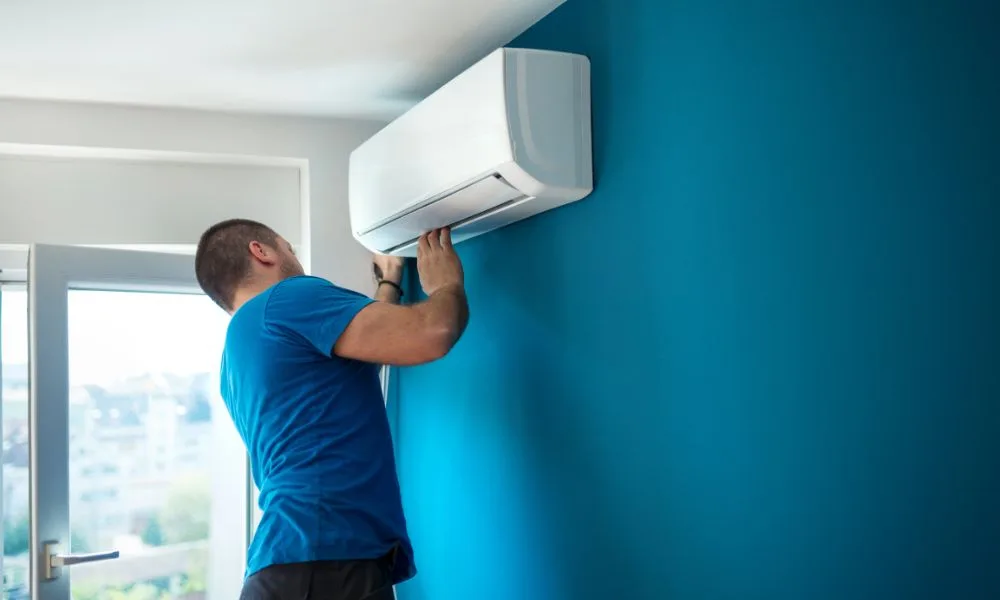
One of the best ways to prevent summer AC breakdowns is to schedule professional maintenance before temperatures rise. Spring is usually the ideal time because your system has not yet entered its busiest season. During a maintenance visit, an HVAC technician can inspect important parts, clean components, check refrigerant levels, test electrical connections, and make sure the system is running safely and efficiently.
Many AC problems begin as small issues. A loose wire, dirty coil, clogged drain line, or worn part may not seem urgent at first, but once the system runs for hours every day, that small issue can quickly turn into a breakdown. Preventive maintenance helps catch these problems early.
Replace Air Filters Regularly
A dirty air filter is one of the most common causes of AC trouble. When the filter becomes clogged with dust, pet hair, pollen, and debris, airflow through the system becomes restricted. This forces the AC to work harder to cool your home, which can increase energy use and put extra stress on the blower motor and other components.
Columbia homeowners should check their air filter at least once a month during the summer. Many filters need to be replaced every one to three months, but homes with pets, allergy concerns, or heavy system use may need more frequent changes. A clean filter helps improve airflow, indoor air quality, and overall system performance.
Keep Outdoor Units Clear
Your outdoor condenser unit needs space to release heat from your home. If grass, leaves, weeds, mulch, or debris block the unit, it cannot operate efficiently. This can cause overheating and may eventually lead to system failure.
Homeowners should keep at least two feet of clearance around the outdoor unit. Trim nearby plants, remove fallen leaves, and avoid stacking items near the condenser. It is also helpful to gently rinse dirt from the outside of the unit with a garden hose, but avoid using high pressure because it can damage delicate fins.
Do Not Ignore Strange Noises
Air conditioners are not silent, but unusual sounds should never be ignored. Grinding, buzzing, rattling, squealing, or banging noises can point to loose parts, motor problems, electrical issues, or failing components.
The longer these sounds continue, the more damage they can cause. For example, a loose part may damage nearby components, while a failing motor can overheat and stop working completely. Calling for service early can prevent a minor repair from becoming a major breakdown.
Pay Attention to Weak Airflow
Weak airflow is another warning sign that your AC may be struggling. It can be caused by a clogged air filter, blocked vents, ductwork leaks, blower motor problems, or dirty coils. If some rooms feel cool while others remain warm, your system may not be distributing air properly.
Homeowners should first make sure vents are open and not blocked by furniture, curtains, or rugs. If airflow remains weak after checking the filter and vents, it is best to have a professional inspect the system.
Use Your Thermostat Wisely
Setting your thermostat too low during extreme heat can put unnecessary strain on your AC. Many homeowners lower the temperature dramatically, hoping the house will cool faster. However, air conditioners typically cool at a steady rate. A lower setting does not make the system work faster; it only makes it run longer.
A smart or programmable thermostat can help reduce strain by keeping temperatures consistent. Raising the temperature a few degrees when you are away from home can also reduce wear on the system while lowering energy costs.
Watch for Warm Air
If your AC is running but blowing warm air, something is wrong. Possible causes include low refrigerant, a dirty evaporator coil, thermostat problems, electrical issues, or compressor trouble. Warm air is especially concerning during summer because the system may continue running without actually cooling the home.
Do not ignore this issue or keep lowering the thermostat. That can make the system work harder and worsen the problem. A technician can diagnose the cause and restore proper cooling before the system fails completely.
Keep Indoor Vents Open and Clean
Some homeowners close vents in unused rooms to save energy, but this can actually create pressure problems in the duct system. Your AC is designed to move a certain amount of air. Closing too many vents can restrict airflow and put stress on the system.
Keep vents open and clean throughout the home. Dust and vacuum around registers regularly, and make sure furniture does not block air circulation. Good airflow helps your AC cool more evenly and prevents unnecessary strain.
Control Indoor Humidity
Maryland summers are often humid, and humidity can make your home feel warmer than it actually is. When indoor humidity is too high, your AC may run longer in an attempt to make the home comfortable. This extra runtime increases wear and raises the risk of breakdowns.
Using exhaust fans in bathrooms and kitchens, sealing air leaks, and maintaining proper AC performance can help control humidity. In some homes, a whole-home dehumidifier may be a smart investment.
Check the Drain Line
Your AC removes moisture from the air as it cools your home. That moisture drains through a condensate line. Over time, the line can become clogged with algae, dirt, or debris. When that happens, water may back up into the system or around your home.
A clogged drain line can trigger system shutdowns, cause water damage, or create mold concerns. If you notice water pooling near the indoor unit, musty odors, or repeated system shutoffs, schedule service quickly.
Avoid Overworking an Older System
If your air conditioner is more than 10 to 15 years old, it may be more likely to break down during intense summer weather. Older systems often lose efficiency and may require more frequent repairs.
That does not always mean replacement is necessary right away, but it does mean homeowners should be proactive. Regular maintenance, timely repairs, and honest evaluations can help you decide whether continued repairs or a replacement makes more financial sense.
Seal Air Leaks Around the Home
Your AC has to work harder when cooled air escapes through gaps and leaks. Common problem areas include windows, doors, attic spaces, crawl spaces, and ductwork. Sealing leaks helps keep cool air inside and reduces the amount of time your system needs to run.
Weatherstripping, caulking, insulation improvements, and duct sealing can all help improve comfort and reduce system strain.
Keep Heat-Producing Activities to a Minimum
Daily habits can affect how hard your AC works. Cooking with the oven, running the dryer, or leaving blinds open during the hottest part of the day can add heat to your home. During summer, try cooking outdoors, using ceiling fans, closing curtains, and running heat-producing appliances during cooler hours.
These small steps can help your home stay cooler naturally, reducing pressure on your air conditioner.
Know When to Call for Professional Help
Some AC maintenance tasks are simple for homeowners, such as changing filters and keeping the outdoor unit clear. However, electrical problems, refrigerant issues, frozen coils, compressor failures, and major airflow problems should always be handled by a professional.
Trying to repair complex AC issues without the right tools or training can be dangerous and may cause more damage. Calling an HVAC expert early is usually the safest and most cost-effective choice.
Final Thoughts
Preventing summer AC breakdowns in Columbia starts with preparation. Regular maintenance, clean filters, clear outdoor units, smart thermostat use, and quick attention to warning signs can all help your system run more reliably.
By taking care of your air conditioner before problems become emergencies, you can enjoy a cooler, more comfortable home throughout the summer. A little prevention now can save you from expensive repairs, uncomfortable indoor temperatures, and the stress of losing cooling during the hottest days of the year.