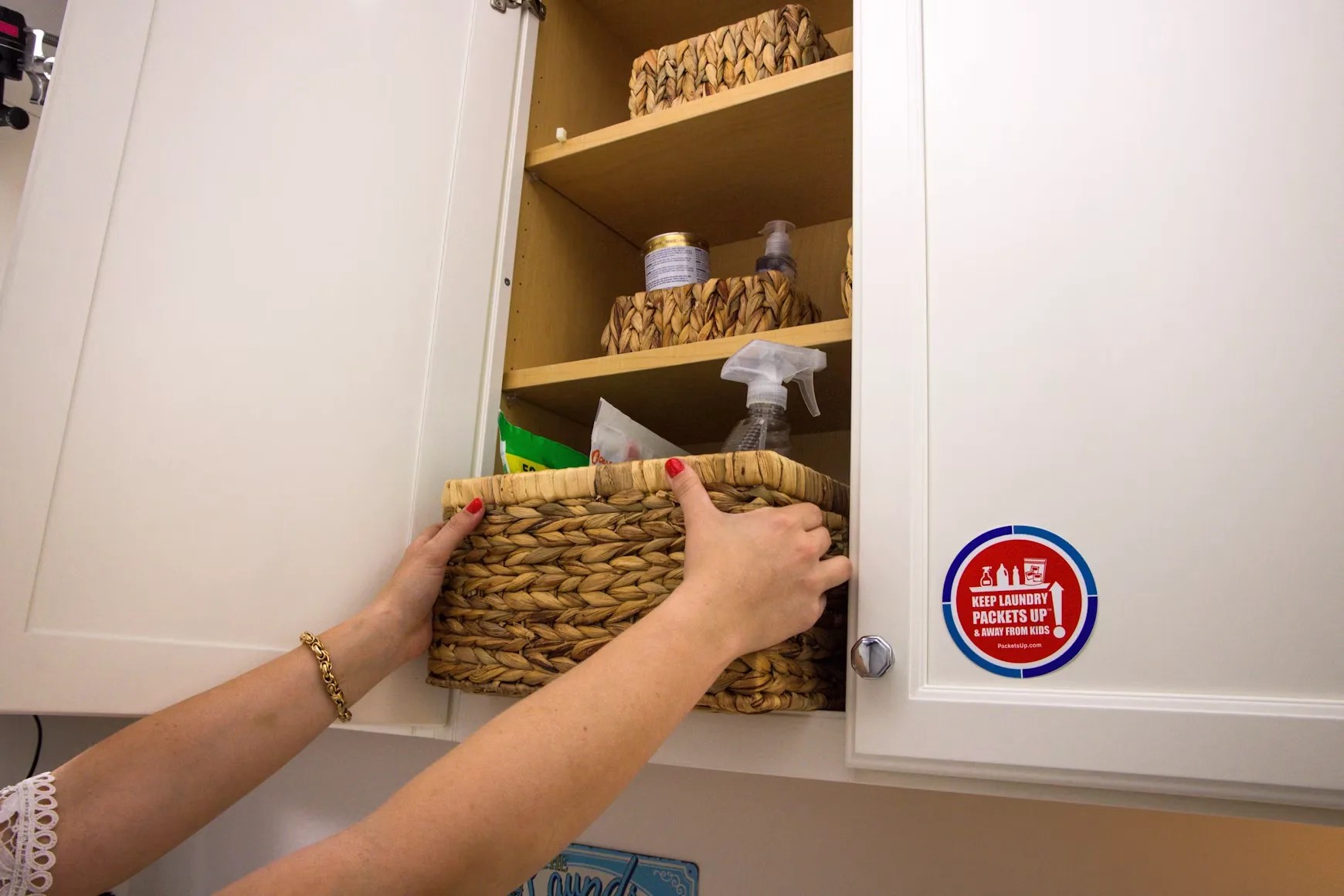
Walking into a home filled with clutter instantly triggers feelings of stress. Walking past piles of shoes, stacked papers, and random boxes saps your energy before your day begins.
Creating an organized living space is not about perfect minimalism. It is about making your daily routines smoother and finding peace in your surroundings.
The Mental Weight Of A Messy House
Living in a chaotic environment affects how you think and feel. Constant visual noise makes it difficult to relax after a long day at work. Your home should feel like a sanctuary rather than a stressful reminder of uncompleted chores.
When every item has a designated home, your mind can finally rest. You spend less energy searching for misplaced car keys or missing shoes. A clean environment clears the path for a much calmer daily routine.
Mental clarity links directly to physical order. Visual clutter competes for your attention and forces your brain to work harder than necessary. Decreasing the mess around you provides immediate relief from daily anxieties.
An untidy space distracts you from your current tasks. When your eyes constantly drift to messy corners, your productivity drops significantly. Keeping spaces clear allows you to focus on your family without unnecessary interruptions.
Streamlining Your Garage Setup
The garage often becomes a dumping ground for items that do not fit inside the house. Many homeowners choose to use ready-to-assemble garage storage cabinets to maximize their vertical wall space safely. This simple choice keeps your gear organized and off the cold ground.
Utilizing wall systems transforms a chaotic zone into a functional workspace. You can easily separate seasonal sports gear from hardware tools. Grouping similar items makes weekend projects much faster to complete.
Large plastic bins can store your holiday decorations on top shelves safely. Clear labeling helps you identify the contents without opening every single lid. Keeping the concrete floor clear prevents tripping accidents and creates ample space for parking vehicles.
Setting Clear Boundaries For Your Items
Organizing requires strict rules about where things belong in a room. Without specific physical limits, items naturally drift across countertops and tables. Setting strict physical limits prevents clutter from spreading to every open surface.
An organization group shared that maintaining an organized home requires clear boundaries in space. Designating specific bins or shelves for certain categories keeps items contained. When a shelf fills up, you know it is time to purge.
Drawer dividers work wonders for keeping small items in place. Kitchen utensils or office supplies stay separated instead of mixing into a giant jumble. Boundaries make it completely obvious when an item is put away incorrectly by anyone.
Sorting Your Daily Belongings With Intention
Clearing out rooms requires a systematic approach to sorting. Piles should be split into items to keep, donate, or throw away. Taking a slow approach prevents you from feeling overwhelmed by the entire process.
A cleaning advocacy group pointed out that clutter weighs on your mind just as much as it fills physical space. Removing unnecessary items lightens your mental load immediately. You gain a sense of control over your environment.
Effective sorting strategies include:
- Gathering items from 1 single room at a time
- Categorizing objects by their actual usage frequency
- Removing broken tools that cannot be repaired
Evaluate each item by asking when you last used it. If an item sat untouched for 12 months, it belongs in the donation pile. Passing unused goods to others brings a sense of fulfillment.
Protecting Important Family Documents
Paper clutter is one of the hardest things to manage in a home. Tax forms, birth certificates, and receipts pile up on desks rapidly. Losing track of these items causes massive headaches during emergencies.
A university extension study noted that keeping family records organized saves hours of frantic searching and immense frustration. Storing files in labeled, fireproof boxes protects your history. It makes finding necessary paperwork simple when deadlines arrive.
Create a central filing system with clear color-coded tabs. Separate medical bills from utility receipts and property deeds to keep them orderly. Reviewing these folders 1 time per year prevents the drawers from becoming overfilled.
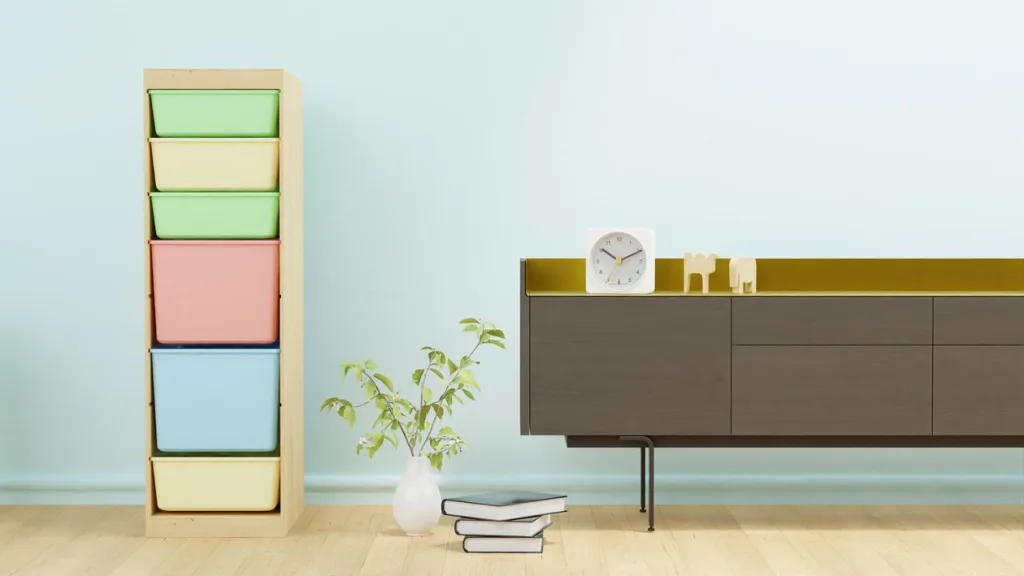
Staying Consistent With Your Storage Systems
Building a tidy home is a continuous practice rather than a 1-time project. Spending just 10 minutes every evening putting items back prevents major clutter buildup. Small daily efforts stop massive messes from forming later.
Involve everyone in the household to keep the system running smoothly. Share the rules of where items belong so everyone contributes to the daily upkeep. Consistency turns organization into an automatic habit.
Establish a weekly reset routine every Sunday afternoon. Walking through the house to return items to their proper places sets up a successful week. A shared responsibility keeps the entire home functional for everyone throughout the busy year.
Mastering home storage changes the way you experience your living space. Transitioning from chaos to order creates room for relaxation and productivity.
You save precious time every single day when you know exactly where your belongings sit. Maintaining a tidy home gives you a lasting sense of comfort.