Homeowners tend to focus on the visible parts of a property when planning upkeep. Fresh paint, a tidy lawn, and a clean kitchen all get attention because they shape first impressions and daily comfort. The trouble is that the parts of a home doing the hardest work are rarely the ones people see. Roof valleys, attic corners, crawl spaces, and exterior fixtures quietly absorb wear year after year, and by the time something visible goes wrong, the underlying issue has usually been building for months. Catching these blind spots early is what separates a home that ages gracefully from one that drains money into surprise repairs. The sections below cover the areas most homeowners forget to inspect and why each one deserves a regular spot on the maintenance calendar.
Water Pathways Around the Roof and Foundation
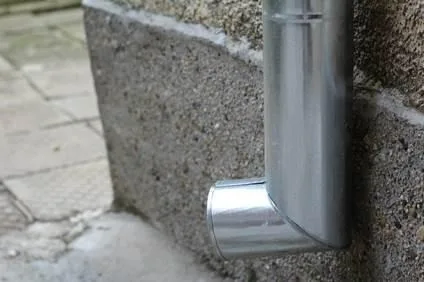
Few systems in a home work as quietly or as constantly as the channels that carry rainwater off the roof. When these channels start to sag, clog, or pull away from the fascia, water begins spilling against the siding and pooling near the foundation. Left unchecked, this kind of saturation softens soil, cracks basement walls, and creates the slow, expensive damage that homeowners almost never trace back to its real cause. Get in touch with GutterPro to install a drain rain gutter that keeps runoff moving in a controlled path away from the structure, using downspout extensions, splash blocks, or underground piping to push water well past the foundation line. Twice-yearly inspections, debris removal, and quick fixes for loose seams or pitched sections will keep the whole system doing its job for decades.
Attic Ventilation and Insulation
The attic is one of the easiest spaces to ignore because most people only enter it to store boxes. Yet what happens above the ceiling has a direct effect on energy bills, roof lifespan, and indoor air quality. Poor ventilation traps heat in summer and moisture in winter, which warps roof decking and shortens the life of shingles from the inside out. Insulation that has settled, shifted, or absorbed moisture also loses much of its value, forcing heating and cooling systems to run longer than they should. Checking that soffit vents are unblocked, ridge vents are intact, and insulation still covers the floor evenly takes very little time but pays back in lower utility costs and fewer roofing problems down the line.
Crawl Spaces and Hidden Plumbing Runs
The lowest parts of a house tend to be the last places anyone visits, which is exactly why so much hidden damage starts there. Slow leaks from supply lines, sweating pipes, and gaps in the vapor barrier all create conditions that invite mold growth and wood rot. Even homes in dry climates can develop trouble here because plumbing runs through these spaces and condensation collects on cold pipes during warm months. A quarterly walk-through with a flashlight is usually enough to spot warning signs such as musty smells, discolored wood, or fresh dirt mounds near the walls.
Dryer Vents and Exhaust Lines
Hot air leaving the laundry room travels through a vent that quietly ranks among the biggest fire risks in the house. Each cycle pushes lint deeper into the duct, where it builds into a dry, flammable layer sitting inches from a heat source. The signs are easy to miss because clothes simply take longer to dry, which most people blame on the appliance itself. Clearing the full length of the vent line, not just the lint trap, should happen at least once a year.
Caulking, Seals, and Weatherstripping
Caulking around windows, doors, tubs, and sinks looks like a small finishing detail, but it does the heavy lifting of keeping water and air where they belong. Once these seals crack or shrink, moisture begins seeping into wall cavities, and air begins leaking through gaps that no thermostat can compensate for. Weatherstripping along exterior doors wears down even faster because it absorbs friction every time the door opens. A slow walk around the house once a season, with a tube of caulk and a roll of stripping in hand, addresses problems before they grow into framing damage or noticeable drafts.
Garage Doors and Mechanical Hardware
The garage door is the largest moving object on most homes, yet it gets almost no routine attention until it stops working. Springs lose tension, rollers wear flat, and the chain or belt on the opener gradually loosens with use. Hinges and tracks collect grime that throws the door out of balance, which forces the motor to work harder than it should. A few minutes spent lubricating moving parts, tightening visible bolts, and testing the auto-reverse safety feature twice a year will keep the whole assembly running smoothly and prevent the kind of sudden failure that traps a vehicle inside.
Water Heaters and Plumbing Shutoffs
The water heater is one of the appliances homeowners use most and inspect least. Sediment builds up inside the tank over the years, which reduces efficiency and eventually corrodes the lining from within. Flushing the tank annually and checking the pressure relief valve takes about thirty minutes and adds real years to the unit’s life. While in the same mindset, it helps to locate and test the main water shutoff and any zone shutoffs throughout the house. Valves that have not been turned in years tend to seize, and discovering that during an active leak is the worst possible time to find out.
Smoke Detectors and Safety Devices
Smoke alarms, carbon monoxide detectors, and fire extinguishers all sit quietly on walls and shelves until the moment they are needed. Batteries weaken, sensors lose sensitivity over time, and pressurized canisters slowly lose their charge. Testing each device once a month and replacing the units themselves on the manufacturer’s recommended schedule is the simplest safety habit a homeowner can build.
Paying attention to these quiet corners of a home is what keeps the visible parts looking good for the long haul. Maintenance done early is almost always cheaper, simpler, and less disruptive than maintenance done in a crisis.