Keeping your living space comfortable requires a functional cooling system. When temperatures rise outside, your indoor equipment works harder to maintain a balanced climate.
Simple preventative care can protect your machinery from sudden failures. Taking care of your equipment keeps your home environment stable during peak heat waves.
Professional Services Provide Clear Solutions
Homeowners often look for certified technicians to handle complex cooling system tune-ups. When you browse a local website, you can see the full details of what a company offers on its official service pages before booking an appointment. Gathering this information early makes the repair process smooth.
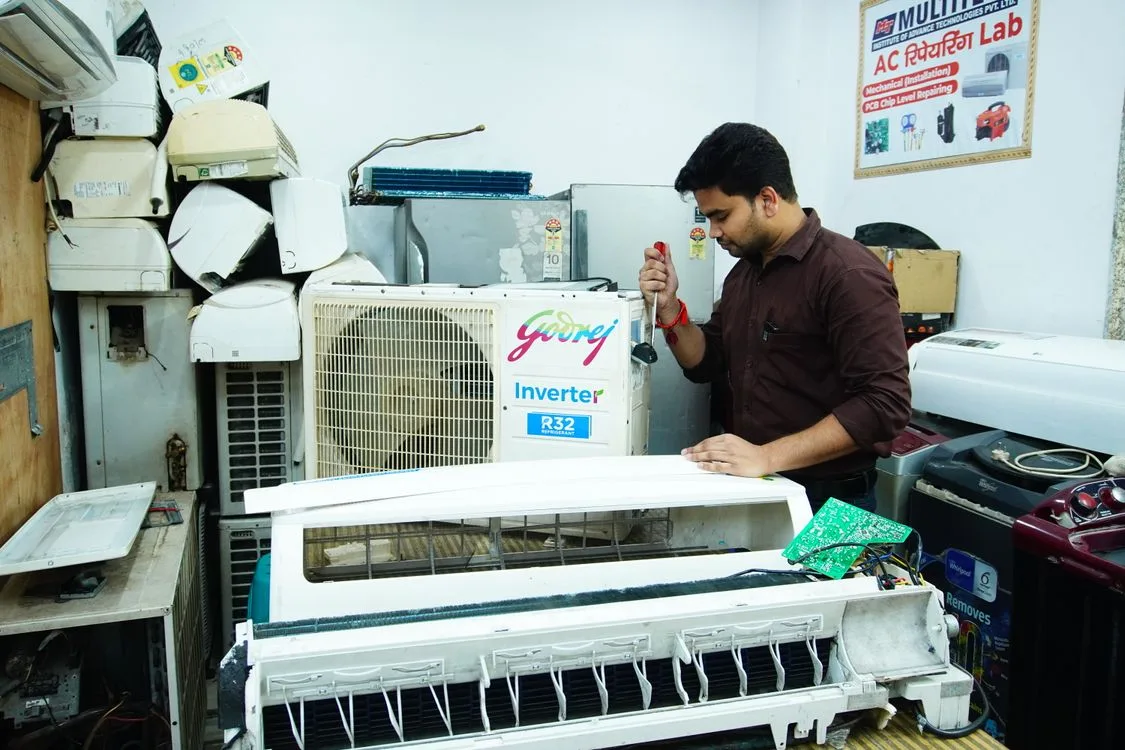
Technicians evaluate internal components to detect wear before a total system shutdown occurs. They clean coils, test electrical connections, and verify correct refrigerant levels. Having an expert manage these tasks keeps your machinery running safely throughout the summer months.
Professional diagnostic tools pinpoint issues that homeowners might miss during a casual look. Expert attention prevents small glitches from expanding into complete system failures. Trusting qualified professionals preserves the lifespan of your cooling hardware.
Exterior Shading Lowers Thermal Stress
Managing the heat that enters your home reduces the strain on your cooling unit. Windows and walls absorb heavy sunlight, forcing your equipment to run constantly. Adding physical barriers outside can stop this heat transfer before it impacts your indoor air.
An article by an international energy group showed that structural upgrades like insulation and outside shading can decrease a building’s cooling demand by up to 80 percent. Blocking direct sunlight shields your home from extreme outdoor temperatures.
Trees, awnings, and solar screens act as frontline defenses against intense solar radiation. Lowering the ambient temperature around your home exterior prevents rapid heat absorption. Your indoor unit experiences fewer cycles when the structure remains naturally cooler.
Sealed Air Ducts Maintain Correct Pressure
Leaky ductwork causes cool air to escape into unused spaces like attics or crawlspaces. This problem forces your system to run longer cycles to reach your desired thermostat setting. Sealing these gaps helps maintain steady airflow throughout every room.
According to data from a government environmental program, fixing and insulating ducts can raise your cooling system efficiency by as much as 20 percent. Securing these pathways keeps your conditioned air inside your living areas. It creates a balanced indoor climate without wasting electricity.
Properly sealed ducts distribute air evenly across every level of your house. Eliminating hot spots makes your daily living conditions far more pleasant. Consistent air pressure protects the central fan from unnecessary mechanical strain.
Energy Management Reduces Lifetime Expenses
Operating mechanical systems involves long-term operational expenses that accumulate throughout ownership. Many people focus only on the initial price of buying a brand-new cooling unit. The real expense reveals itself during months of continuous operation.
A state environmental department report indicates that up to 95 percent of a motor’s total costs stem from energy consumption. Only 5 percent goes toward the initial purchase, installation, and upkeep. Keeping your motor clean helps lower these massive power bills.
Regular lubrication and electrical checks keep the motor spinning with minimal resistance. Reducing friction lowers the amount of electricity required to move air. Smart energy habits save substantial amounts of money during the lifespan of your unit.
Regular Inspections Prevent Unplanned Breakdowns
Routine checks keep minor mechanical issues from turning into expensive emergency repairs. Homeowners can perform simple assessments without specialized tools. Staying proactive protects your machinery from sudden operational failures.
A few basic tasks can keep your system functioning smoothly:
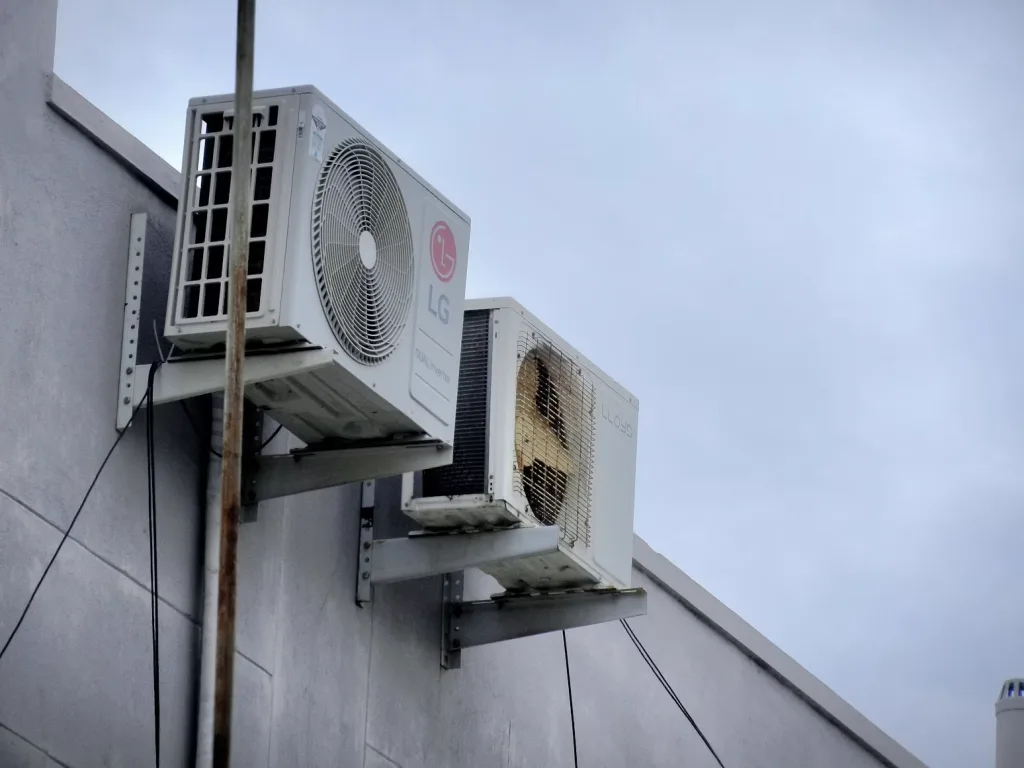
- Clear away weeds and debris from the outdoor condenser unit.
- Check the condensate drain line for blockages or standing water.
- Examine the visible insulation on refrigerant lines for signs of tearing.
Monitoring these components keeps your home safe and cool. Small adjustments now prevent major hassles when hot weather arrives. Regular attention guarantees your machinery handles intense heat waves without faltering.
Thermostat Calibration Improves Internal Comfort
A misplaced or uncalibrated thermostat leads to uneven temperatures across different rooms. The sensor might read the room as too hot or too cold if it sits near a sunny window. Moving or adjusting this device creates a more accurate reading of your actual living space.
Modern programmable options allow you to schedule temperature changes based on your daily routine. Setting the temperature higher when you leave the house reduces wear on mechanical parts. This strategy keeps your system from overworking during the hottest hours of the day.
Digital thermostats require periodic battery replacements to maintain stable communication with your cooling system. Low batteries can cause erratic system behavior or complete signal loss. Keeping this command center updated keeps your indoor climate perfectly controlled.
Maintaining a steady home climate requires consistent attention to your mechanical equipment. Small steps like shading windows, sealing ducts, and scheduling professional check-ups make a big difference. Your cooling system will perform reliably when you need it most. Taking care of your equipment protects your comfort and keeps your monthly utility bills manageable.