Start With the Parts That Work the Hardest
Every home has a few quiet workhorses. Floors. Counters. Sofas. Dining chairs. The things no one notices until they start wobbling, staining, peeling, or looking tired far too soon.
A home can look beautiful on day one and still be a poor design choice. That sounds harsh, but it’s true. If a surface can’t handle a wet glass, a dragged chair, a muddy shoe, or a child deciding the wall is now a sketchpad, it probably doesn’t belong in a busy home.
The best long-lasting homes usually start with honest materials. Hardwood, engineered timber, stone, ceramic tile, sealed concrete, quality laminate, powder-coated metal, and performance fabric all have their place. The trick is not picking the most expensive option. It’s picking the right one for the room.
A marble counter can look stunning. No argument there. But it also stains, chips, and etches if the household isn’t careful. Porcelain can give a similar polished feel with far less stress. Natural timber brings warmth, but it needs the right finish if it’s going near water, food, or heavy traffic.
Pretty matters. Practical matters more.
Furniture Has to Suit the Way People Actually Live
Furniture often fails because people choose it like decoration instead of equipment. A sofa is not just a shape. A dining chair is not just a silhouette. These pieces need to carry weight, support habits, survive mess, and still look good after years of use.
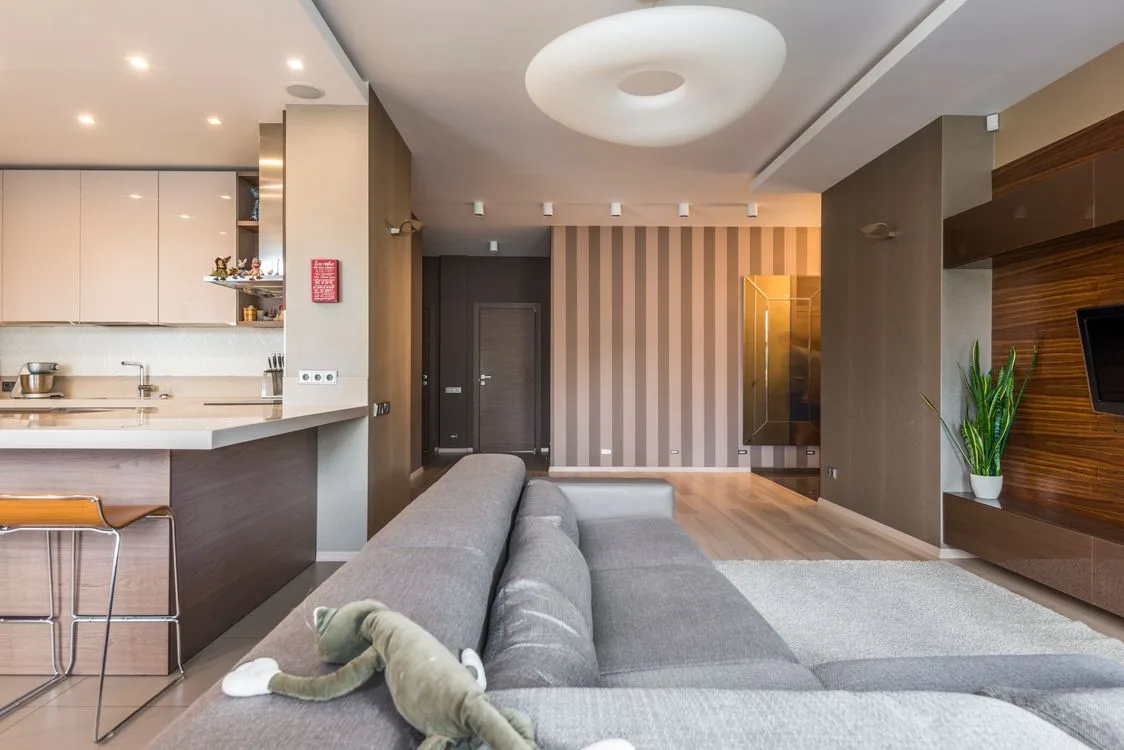
The last time a living room layout was redesigned around a large sectional, the biggest issue wasn’t the sofa itself. It was the way people moved around it. The room looked great in photos, but everyone had to squeeze past the coffee table to sit down. Annoying. Small daily annoyances are usually where bad design shows up first.
A formal sitting room can handle finer fabric. A family room needs more backbone. Look for solid frames, firm cushions, removable covers where possible, and fabric that won’t give up after snacks, naps, pets, and the occasional mystery stain. There is always a mystery stain. No one knows where it came from. It simply appears.
Scale matters too. Oversized furniture can make a home feel cramped, even when the room is not small. Tiny furniture can look nervous in a generous space. The goal is balance. Enough structure to make the room feel grounded, but enough breathing space for people to move comfortably.
For homes being furnished quickly, especially investment properties or styled rentals in Western Australia, furniture packages Perth can make sense when they’re chosen for durability, climate, and everyday use rather than just convenience. Perth homes often lean into bright light, warm weather, and indoor-outdoor living, so fabrics and finishes need to feel relaxed without being flimsy.
Pick Fabrics That Don’t Need Constant Babysitting
Some fabrics look wonderful until real life arrives. Linen has that breezy, relaxed look everyone loves, but pure linen wrinkles and softens in a very visible way. Some people like that lived-in feel. Others spend years smoothing cushions and quietly regretting their choices.
Velvet can be beautiful, especially in deeper colors. It adds depth and softness. But in the wrong room, it starts to feel fussy. Bouclé is another tricky one. It can look chic and cozy, but not every bouclé chair wants to share a home with toddlers, cats, or tomato sauce.
Performance fabrics deserve more attention. They used to feel stiff and a little too “hotel lobby,” but better versions now look and feel much softer. They resist stains, clean more easily, and hold up well in rooms that get used every day.
Leather can last for decades, but only if the household likes the way it ages. Full-grain leather develops marks, creases, and patina. That can be beautiful. Faux leather, on the other hand, can peel in heat and direct sun, which is never a good look. Microfiber is underrated. It’s soft, forgiving, and usually easier to clean than people expect.
The smartest fabric is not always the fanciest one. It’s the one that still looks decent after life has had a few rounds with it.
Outdoor Spaces Need Stronger Choices
Outdoor areas are not gentle on materials. Sun, rain, humidity, dust, wind, and temperature changes all take a toll. A patio can look perfect in the first month and tired by the next summer if the wrong products are used.
Outdoor furniture needs frames that resist rust, warping, and fading. Powder-coated aluminum works well in many settings. Teak and eucalyptus bring natural warmth, though they need care. Resin wicker can be practical when it’s good quality. Cheap versions often go brittle. Fast.
Cushions matter just as much. Indoor cushions do not become outdoor cushions just because someone puts them outside. They need outdoor-grade foam and fabric, especially in exposed areas. Otherwise, one wet week can lead to sagging, mildew, and that sad damp smell nobody wants near a morning coffee.
Decking sets the tone for the whole outdoor zone. Timber has warmth and character, but it also asks for maintenance. For homeowners who want a lower-maintenance option, composite decking panels can work well because they offer a timber-like appearance with better resistance to moisture, fading, and everyday wear.
Color deserves care outside too. Very dark surfaces can get hot under direct sun. Very pale finishes show dirt quickly. Mid-tone shades often age better, especially when paired with greenery, textured planters, and furniture in natural colors.
Kitchens and Dining Areas Need Tough Materials
The kitchen is not the place to be precious. It handles heat, water, oil, sharp knives, dropped utensils, and endless wiping. It needs materials with backbone.
Porcelain, quartz, stainless steel, sealed stone, and good-quality laminate can all work. The right choice depends on budget, taste, and patience for maintenance. Some people enjoy the marks that come with natural stone. They see character. Others see damage. Both reactions are valid, but the choice needs to be honest from the start.
Dining tables need the same thinking. A soft timber table may look warm and beautiful, but it will dent if used every day. That might become part of the charm. Or it might drive someone mad. A sealed timber, ceramic-top, or quality veneer table can be a better fit for families who want style without constant coaster policing.
Chairs are worth checking closely. Wobbly dining chairs make even a nice room feel neglected. Solid joins, comfortable seats, and wipeable finishes are not exciting details, but they matter every single day.
Storage Helps a Home Last Longer
Storage is not just about tidiness. It protects the home.
When things don’t have a place, they land wherever they can. Shoes pile up near doors. Bags scrape walls. Toys slide under furniture. Cleaning becomes harder. Surfaces get scratched. The home starts to feel tired, even when the main materials are still in good shape.
Built-in storage can be excellent, but freestanding pieces can work just as well. The key is choosing storage that matches real behavior. A slim entry console looks lovely, but it won’t solve the problem if the household needs closed shoe storage, hooks, and a bench. A display cabinet won’t help a living room if the real issue is blankets, chargers, board games, and remote controls.
Good storage reduces friction. It keeps the better design choices visible. It also makes daily life feel less like a small obstacle course.
Timeless Design Still Needs Personality
Long-lasting design does not mean plain. It doesn’t have to be beige, stiff, or overly safe. It just needs a strong base.
Floors, large furniture, counters, built-ins, and outdoor surfaces should usually be the steadier choices. These are expensive to replace and harder to change. Color, pattern, art, lighting, cushions, rugs, and smaller pieces can carry more personality because they’re easier to update later.
This is where many homes get stuck. They put the trendiest choices into the most permanent features, then wonder why the space feels dated too quickly. A bold tile can be beautiful if it has staying power. A trendy sofa shape can be fun if it’s still comfortable and well made. But novelty alone is not enough.
The better approach is simple. Choose durable foundations, then layer in warmth and character. Let the home feel personal, but don’t make every expensive decision fight for attention.
Homes that last are not always filled with the most expensive things. They’re filled with choices that understand the life happening around them. That’s the difference.