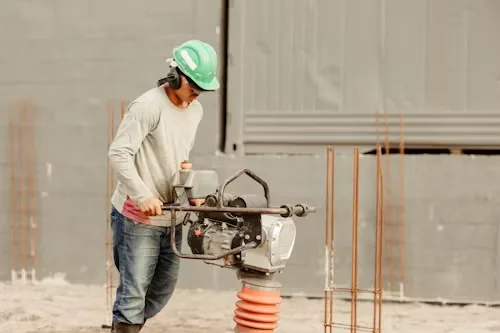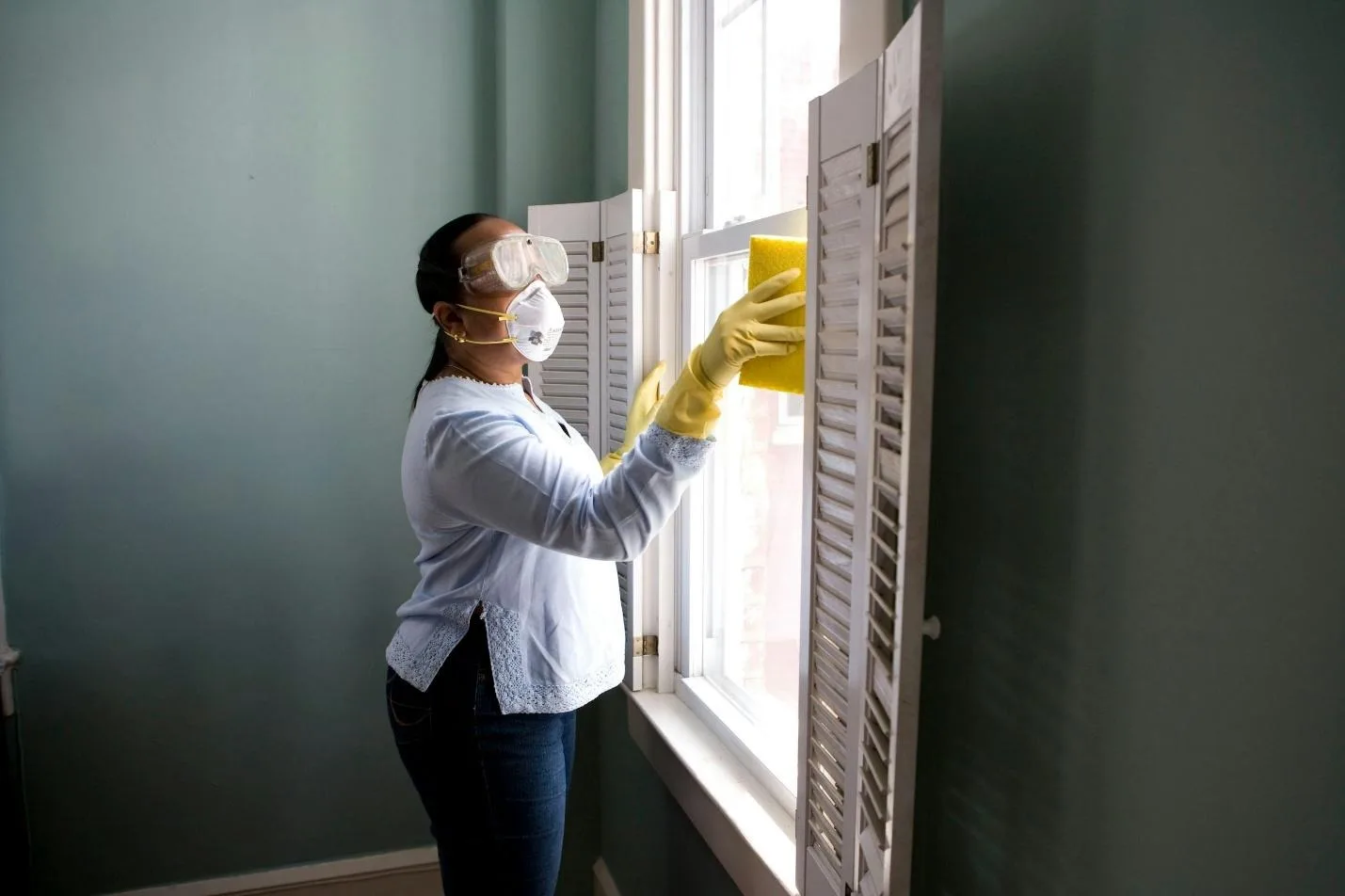
Summer presents the perfect opportunity to improve both the function and appearance of your home. Longer days and steady weather make it easier to tackle projects that may have been delayed during colder months. Exterior painting, roof inspections, landscaping updates, deck restoration, and cooling system upgrades all fit naturally into a summer maintenance plan. Warm temperatures also make it easier to detect structural weaknesses, pest activity, and ventilation issues that often stay hidden during the rest of the year.
A focused approach keeps small concerns from turning into expensive repairs. Clear priorities and steady progress help protect your investment while improving daily comfort. Each area of your home deserves attention, starting with the systems that shield it from heat, storms, and seasonal wear.
Roof Inspection and Gutter Care
Roofing materials endure direct sun exposure, heavy rain, and shifting temperatures throughout the summer. Shingles can curl or crack under prolonged heat, and flashing may loosen after spring storms. A close visual inspection helps identify early warning signs before leaks develop.
Gutters play an equally important role in protecting the structure. Debris buildup prevents proper drainage, which allows water to collect near the foundation. Cleaning gutters and downspouts ensures rainwater flows away from the home. Secure brackets and aligned channels reduce strain during heavy downpours.
Pest Prevention and Structural Protection
Summer heat increases insect activity around foundations, crawl spaces, and wooden structures. Termites remain one of the most serious threats because they feed quietly and cause damage before visible signs appear. Mud tubes along exterior walls, hollow-sounding wood, and discarded wings near windows often signal the need for further inspection.
Professional evaluations give homeowners access to termite control options, including liquid soil treatments, bait systems, localized wood applications, and long-term monitoring plans. Each solution targets active colonies while reducing the risk of reinfestation. Early treatment protects structural framing, outdoor decks, and support beams that remain vulnerable during warmer months. Preventative measures strengthen defense against pests. Sealing foundation cracks, repairing damaged screens, and managing moisture levels around the home create conditions that discourage infestation.
HVAC System Tune-Up and Airflow Optimization
Air conditioning systems operate at full capacity during the summer, which places strain on components that may already be worn. Routine servicing keeps performance steady and energy consumption under control. Filter replacement improves indoor air quality while supporting proper airflow throughout the home.
Refrigerant levels and condenser coils require periodic checks to maintain cooling efficiency. Clean coils allow the system to release heat effectively, which prevents overheating. Vents and ducts should also remain free of dust buildup to promote consistent air circulation. Attic insulation contributes to overall efficiency by limiting heat transfer from the roof into living spaces. A well-maintained HVAC system reduces unexpected breakdowns during peak heat and creates a more comfortable indoor environment.
Windows, Doors, and Weather Seals
Windows and doors influence both comfort and energy performance during the summer. Worn weatherstripping allows cool air to escape, which forces the HVAC system to work harder. Replacing damaged seals improves temperature control and reduces strain on mechanical systems.
Screens require inspection for tears or loose framing. Properly fitted screens allow ventilation while keeping insects outside. Hinges, tracks, and locking mechanisms should operate smoothly to ensure security and ease of use. Glass surfaces benefit from thorough cleaning to maximize natural light. Clear windows enhance interior brightness and reduce reliance on artificial lighting during longer daylight hours.
Deck, Patio, and Outdoor Living Areas
Outdoor spaces receive heavy use during summer, which makes safety and durability a priority. Wooden decks should be inspected for loose boards, soft spots, and exposed nails. Heat and humidity can cause expansion that weakens fasteners over time. Tightening hardware and replacing damaged boards prevents injuries and extends the life of the structure.
Cleaning the surface removes dirt, mildew, and pollen that collect during spring. A quality sealant protects wood from moisture penetration and sun damage. Concrete patios benefit from crack inspections and minor patching to prevent further splitting.
Plumbing and Irrigation System Check
Plumbing systems often face increased demand during the summer months. Outdoor faucets, sprinkler lines, and irrigation systems require inspection to prevent water waste. Leaks around hose connections or valve joints may seem minor, yet they can increase utility costs and damage surrounding soil.
Sprinkler heads should distribute water evenly across lawns and garden beds. Misaligned heads create dry patches in some areas and oversaturation in others. Adjusting spray patterns promotes healthier landscaping while conserving water. Indoor plumbing also benefits from seasonal review. Checking under sinks for slow drips and inspecting visible pipes for corrosion helps prevent unexpected damage.
Summer maintenance strengthens every major system in your home. Attention to roofing, pest protection, cooling equipment, exterior finishes, plumbing, and structural surfaces creates a solid defense against seasonal stress. Each task contributes to long-term durability and improved daily comfort.
A steady and organized approach prevents small concerns from escalating into costly repairs. Careful inspections paired with timely upkeep preserve both property value and peace of mind. Consistent effort during the summer months keeps your home prepared for the seasons ahead.