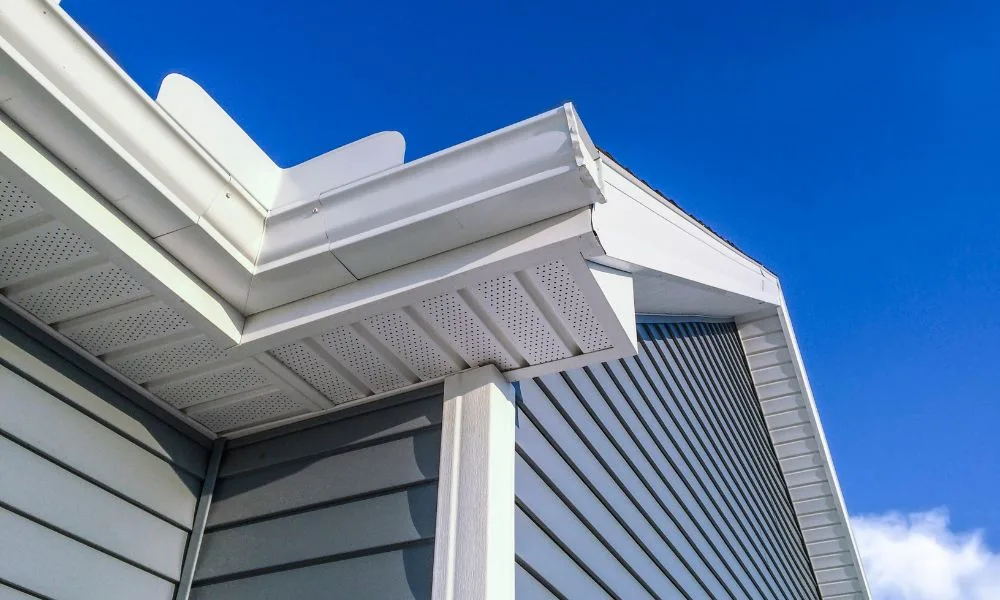
Massachusetts homeowners face a siding decision that is more consequential than in most parts of the country. The combination of a competitive real estate market, a historically significant housing stock, and weather conditions that test exterior materials more aggressively than almost any other region in the continental United States means that siding choices carry real long-term consequences. Choose the wrong material or the wrong contractor, and the investment looks fine for a season before beginning a slow decline that becomes expensive to correct. Choose well — the right product for the local climate, installed correctly by an experienced Massachusetts contractor — and the result protects the home and holds its appearance for twenty years or more with minimal intervention.
Why Siding in MA Requires More Careful Consideration Than in Other States
Quality siding MA installation involves a set of material and installation considerations that are specific to the New England environment and that contractors without deep local experience frequently underweight. Massachusetts winters bring sustained below-freezing temperatures, significant snow and ice loads, and the freeze-thaw cycling that is the most destructive force acting on exterior building materials in this climate. Springs deliver substantial rainfall at temperatures that keep caulk and sealants stressed at both ends of their flexibility range. Summers bring humidity and UV exposure that degrades paint films and cheaper siding products faster than homeowners from milder climates expect. And the coastal exposure that much of eastern Massachusetts experiences adds salt air and wind-driven moisture to the equation in ways that further narrow the range of products and installation methods that perform reliably over time.
The Massachusetts housing stock adds another layer of complexity. A significant proportion of the homes needing exterior renovation in communities across the state were built in the late 19th and early 20th centuries — structures with construction methods, framing dimensions, and original materials that predate modern building standards and that require experienced assessment before any exterior work begins. The original wood siding, trim, and details of these homes also carry architectural significance in many communities, and the choice of replacement materials reflects on the character of the neighborhood as well as the performance of the individual home. A contractor who approaches these projects with genuine knowledge of Massachusetts architecture and construction history produces better outcomes than one applying a one-size-fits-all installation approach regardless of the building’s age or character.
The Permit and Inspection Requirements Massachusetts Homeowners Need to Know
Siding replacement in Massachusetts requires a building permit in virtually every municipality, administered through the local building department rather than a state agency. The permit triggers inspections at key stages of the installation that verify compliance with the State Building Code — specifically the requirements for weather-resistive barriers, flashing at openings, and in some cases continuous insulation under the current energy code. A contractor who suggests proceeding without a permit — for any reason — is a contractor whose work is not ready for the scrutiny that inspection involves. In a state where real estate transactions routinely include review of permit history by buyers and their attorneys, unpermitted exterior work creates complications that are disproportionately costly to resolve relative to the permit fees avoided.
Siding Materials That Perform in the Massachusetts Climate
The materials that deliver the best combination of performance, appearance, and long-term value for Massachusetts homes reflect the specific demands of the New England climate and the architectural character of the state’s diverse housing stock. The options that experienced Massachusetts contractors specify most consistently include:
- Fiber cement siding — the dominant choice for Massachusetts homeowners seeking low maintenance and long-term durability. Fiber cement does not absorb moisture, does not rot, resists impact from the ice and debris that New England winters produce, and holds paint significantly longer than wood — reducing the maintenance cycle that the climate would otherwise impose on a wood exterior. Available in profiles that closely replicate traditional clapboard and shingle patterns appropriate for Massachusetts architectural styles.
- Premium vinyl siding — modern premium vinyl has addressed the performance limitations of earlier products, offering better UV stabilization, improved impact resistance, and greater dimensional stability across the temperature range that Massachusetts seasons produce. Insulated vinyl adds a continuous thermal break that is particularly valuable in a heating-dominated climate. The right choice for projects where cost efficiency is a priority and the architectural context does not require the premium appearance of fiber cement or natural wood.
- Cedar clapboards and shingles — still the preferred choice for Massachusetts homes in historic districts and for owners who value the authenticity and visual warmth of natural wood above all other considerations. Properly maintained cedar siding on a Massachusetts home can last a century. It requires that maintenance, however — regular repainting or restaining every five to seven years — and the ongoing cost of that cycle needs to be factored into the total cost of ownership alongside the installation price.
- Engineered wood siding — a hybrid that delivers the natural wood aesthetic at lower maintenance burden, with moisture and insect resistance that solid wood cannot match. Performs well in Massachusetts conditions and suits the full range of architectural styles found across the state, from colonial to craftsman to contemporary.
- James Hardie products with ColorPlus finish — the market-leading fiber cement brand offers factory-applied color with a manufacturer’s warranty against fading and peeling that is particularly valuable in a climate that would otherwise require repainting on a shorter cycle than homeowners prefer. Certification requirements for installation ensure consistent quality across projects installed by trained contractors.
Historic Districts and Architectural Review: What Massachusetts Homeowners Need to Know
Massachusetts has one of the most active historic preservation environments in the country, with local historic district commissions in communities across the state — including Brookline, Cambridge, Newton, Lexington, Concord, Salem, and many others — that review proposed exterior modifications for compatibility with the character of the district. Replacing siding on a home within a local historic district requires a certificate of appropriateness from the relevant commission before a permit can be issued and work can begin. The review process evaluates the proposed material, profile, color, and installation approach against established standards for the district, and some commissions specify acceptable materials explicitly. Contractors with experience working in Massachusetts historic districts understand these requirements as a standard part of their work and can guide homeowners through the approval process efficiently. Those without that experience discover the requirements at the worst possible moment — after signing a contract and scheduling work to begin.
Choosing a Siding Contractor in Massachusetts
The Massachusetts siding contractor market is large and varied, encompassing highly experienced specialist firms, general remodelers who do some siding work, and out-of-area operators who enter the market following storm seasons when demand is elevated. The evaluation process that consistently leads homeowners to contractors who produce quality, durable work focuses on verifiable credentials, demonstrated local experience, and the specificity of the written proposal.
What Credentials to Verify and How
Massachusetts requires home improvement contractors to register with the state’s Office of Consumer Affairs and Business Regulation. Verifying registration status on the OCABR’s public database takes minutes and establishes that the contractor is operating legally and has met the state’s basic requirements. Current general liability insurance and workers’ compensation coverage are non-negotiable — request certificates directly from the contractor and verify that the coverage is current and adequate for the project value. Manufacturer certifications from the brands whose products will be installed — James Hardie, CertainTeed, LP Building Products, and others all operate certification programs — indicate that the contractor has received training in the specific installation requirements of those products, which directly affects whether manufacturer warranties remain valid on the completed installation.
Reading a Massachusetts Siding Proposal
A professional siding proposal from a Massachusetts contractor specifies the exact product to be installed — manufacturer, line, profile, and color — the house wrap system to be used, how existing siding will be removed and disposed of, the flashing approach at all windows and doors, and a clear process for scoping and pricing any substrate damage discovered during demolition. It addresses permitting as a standard component of the project, not as an optional add-on. And it provides a timeline that accounts for the lead times and weather considerations realistic for the Massachusetts market rather than an optimistic projection that assumes perfect conditions throughout. Proposals that lack these elements are proposals that leave too much undefined — creating conditions for the scope disputes, material substitutions, and quality shortcuts that produce unsatisfying outcomes and strained contractor relationships.
The Long-Term Value of Getting Siding Right in Massachusetts
In a real estate market as active and scrutinized as Massachusetts, the condition and quality of a home’s exterior is a direct determinant of its market position. Homes with well-maintained, quality siding installed to a high standard attract stronger buyer interest, generate more competitive offers, and spend less time on the market than comparable properties with aging or deteriorating facades. The premium for presentation quality is pronounced in a market where buyers are informed, inspectors are thorough, and the supply of well-maintained properties is always limited relative to demand. For homeowners planning to stay long-term, the return accumulates differently — in lower energy costs from improved thermal performance, in the absence of the recurring maintenance that inferior products and installation demand, and in the satisfaction of a home that looks and performs as it should through every New England season.