Moving away from Jacksonville to start over somewhere new sounds exciting at first. Then the reality sets in. You arrive surrounded by boxes, unfamiliar streets, and rooms that do not feel connected to your life yet. Many people expect comfort to happen automatically once the move is over, but settling into a new home usually takes more effort than expected. Even simple tasks like finding your favorite coffee mug or adjusting to a different daily routine can feel frustrating during the first few weeks.
A new house starts feeling comfortable when it supports your normal life again. That process depends on the small choices you make right after moving in. Families who hire moving companies often focus heavily on the packing and transportation side of the move while overlooking what comes next. The way you unpack, organize, and personalize your space has a direct impact on how quickly the house begins to feel familiar. Fortunately, a few practical steps can make the adjustment much easier.
Start with the Spaces You Actually Use
Many people unpack based on box labels instead of their daily needs. That approach usually creates more stress because important rooms stay unfinished for too long. Start with the spaces you use every morning and every night. Your bedroom, bathroom, and kitchen should feel functional before you worry about decorative shelves or guest rooms. A properly set up bedroom improves sleep almost immediately after a move, especially when you are adjusting to a different city and routine. This adjustment period often feels more exhausting after a major interstate relocation handled by Jacksonville long distance moving companies.
Focus on simple comfort first. Make the bed, organize toiletries, plug in lamps, and unpack basic cookware. These small tasks reduce the feeling of chaos inside the house. Once your essential spaces work normally again, the rest of the home becomes easier to manage without feeling overwhelmed every day.
Fix the Lighting Before Decorating
Lighting affects how comfortable a home feels more than most people realize. Many houses look cold or unfinished simply because the lighting feels too harsh. Bright white bulbs can make rooms feel sterile, especially after a stressful move. Replacing them with warmer lighting changes the atmosphere immediately without spending much money.
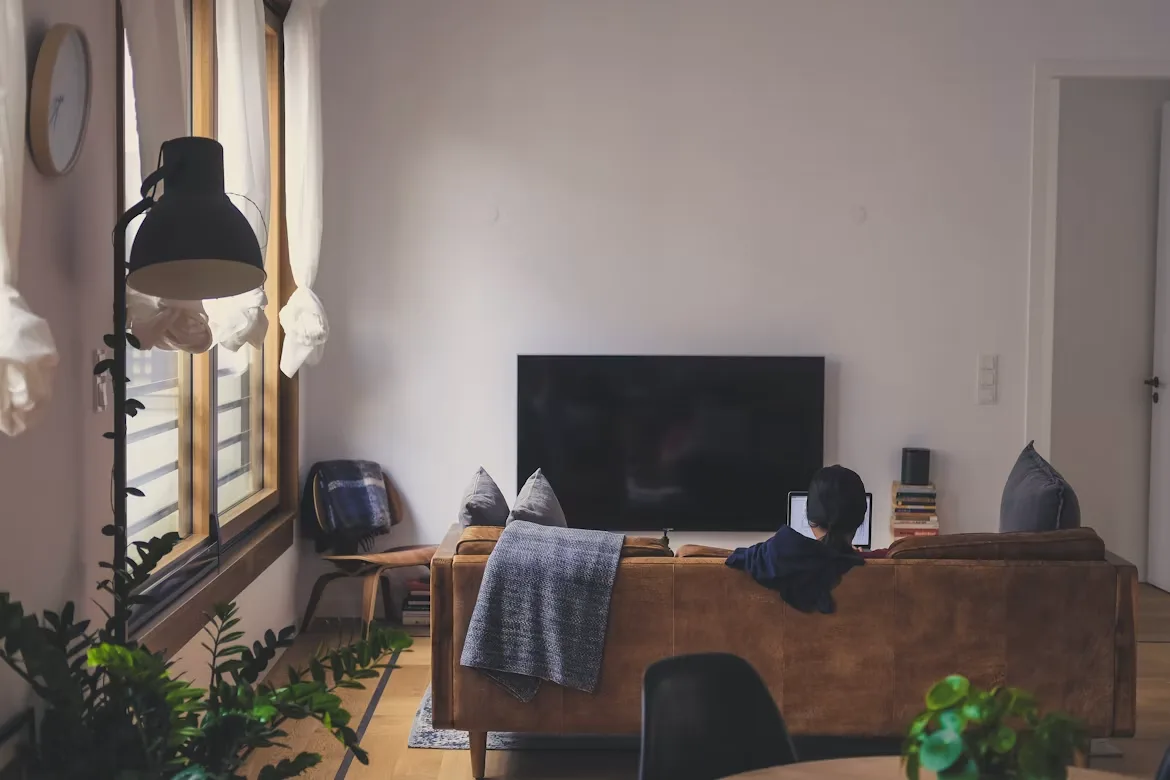
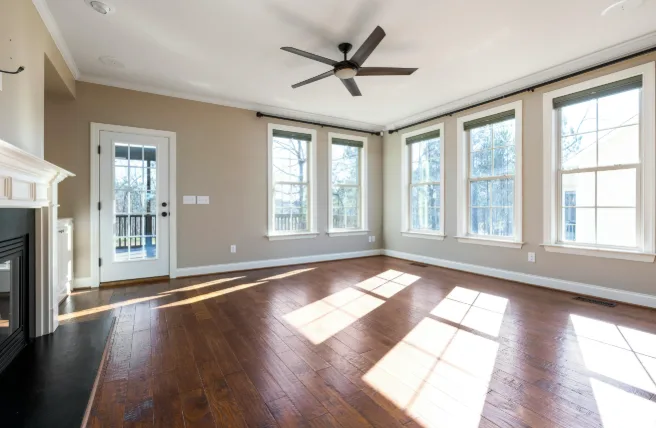
Do not rely only on ceiling lights. Floor lamps, bedside lamps, and softer corner lighting create a more relaxed environment during the evening. This matters even more in larger homes where empty rooms can feel echoey and uncomfortable at first. Natural light also plays a role in helping people adjust emotionally after relocating. Open curtains during the day and arrange furniture in ways that make rooms feel brighter and more welcoming. Good lighting helps the house feel lived in much sooner.
Finish One Room Completely First
A partially unpacked house can make people feel unsettled for weeks. One of the easiest ways to create progress is by finishing one room completely before moving on to the next area. Choose a space where you spend a lot of time, such as the living room or bedroom. Fully unpack it, arrange the furniture properly, add décor, and remove empty boxes from the area.
Seeing one finished space changes how the entire house feels. It gives you a place where you can relax without constantly thinking about unpacking or organizing. Many people move from room to room too quickly and end up with unfinished spaces everywhere. That usually creates visual stress and makes the home feel temporary longer than necessary. A completed room creates comfort early and helps motivate you to finish the rest of the house gradually.
Add Personality Without Major Renovations
Many people feel hesitant to personalize a new house right away because they think meaningful changes require expensive renovations. In most cases, smaller updates make a stronger impact during the first few months. Start with changes that affect the way the home looks every day. Curtains, rugs, wall art, and hardware replacements can completely change the mood of a room without creating a major project.
Paint also helps a home feel personal much faster, especially when builders use standard neutral colors throughout the house. Even one accent wall can make a space feel less temporary. Focus on areas you see constantly, such as the entryway, kitchen, or living room. These updates create familiarity while helping the home reflect your habits and preferences instead of feeling like someone else’s space.
Organize Before Clutter Takes Over
Moving creates clutter quickly, especially during the first few weeks. Boxes pile up, paperwork gets scattered, and everyday items end up in random places. Many people delay organizing because they plan to “deal with it later.” That decision usually makes the adjustment period harder. Clutter increases stress because the house never feels fully settled.
Create simple systems early, even if they are temporary. Use labeled bins for important documents, chargers, cleaning supplies, and seasonal items. Keep frequently used belongings in predictable places so daily tasks feel easier. Entryways deserve extra attention because shoes, bags, and mail often collect there first. Storage furniture can also help control visual clutter in living areas. Organized spaces support smoother routines and help people feel more comfortable in a new environment much faster after moving.
Spend Time Outside the House Too
People often focus entirely on the inside of the house after relocating. The adjustment process becomes easier when you also build familiarity with the surrounding area. Learn where nearby grocery stores, pharmacies, parks, and coffee shops are located during the first week. These simple routines create a sense of stability outside the home.
Walking through the neighborhood also helps the area feel less unfamiliar. Pay attention to traffic patterns, local businesses, and community spaces. Families with children should explore playgrounds, libraries, and after-school activities early so kids can settle into routines faster. Pet owners benefit from finding nearby walking routes right away because animals often react strongly to environmental changes after a move. Feeling connected to the neighborhood supports emotional comfort at home because daily life starts becoming more predictable and manageable.
A new house starts feeling like home when daily life becomes easier inside it. Comfort comes from practical decisions that support your routines, reduce stress, and create familiarity after a major move. Simple actions such as organizing key spaces, improving lighting, personalizing rooms, and building routines can speed up the adjustment process significantly.
People who move away from Jacksonville often spend weeks focused on unpacking while overlooking the emotional side of settling in. The most effective approach involves creating comfort gradually instead of trying to perfect every room immediately. A home develops through repeated routines, personal habits, and everyday experiences over time. When you focus on function, comfort, and familiarity first, the house starts feeling connected to your life much sooner.