Selling a home can be a complex process, and many factors impact a property’s appeal. Silent dealbreakers refer to the overlooked factors that stop homes from selling, even if the property appears perfect on the surface. These hidden issues often go unnoticed by sellers but can deter potential buyers. Real estate is competitive, and a small flaw or detail left unaddressed can lead to missed opportunities. It’s easy to focus on major aspects like price or location, but overlooking minor factors can stop a home from selling. Sellers who fail to address these silent dealbreakers may find their listing sitting longer on the market than expected.
Curb Appeal: The First Thing Buyers See
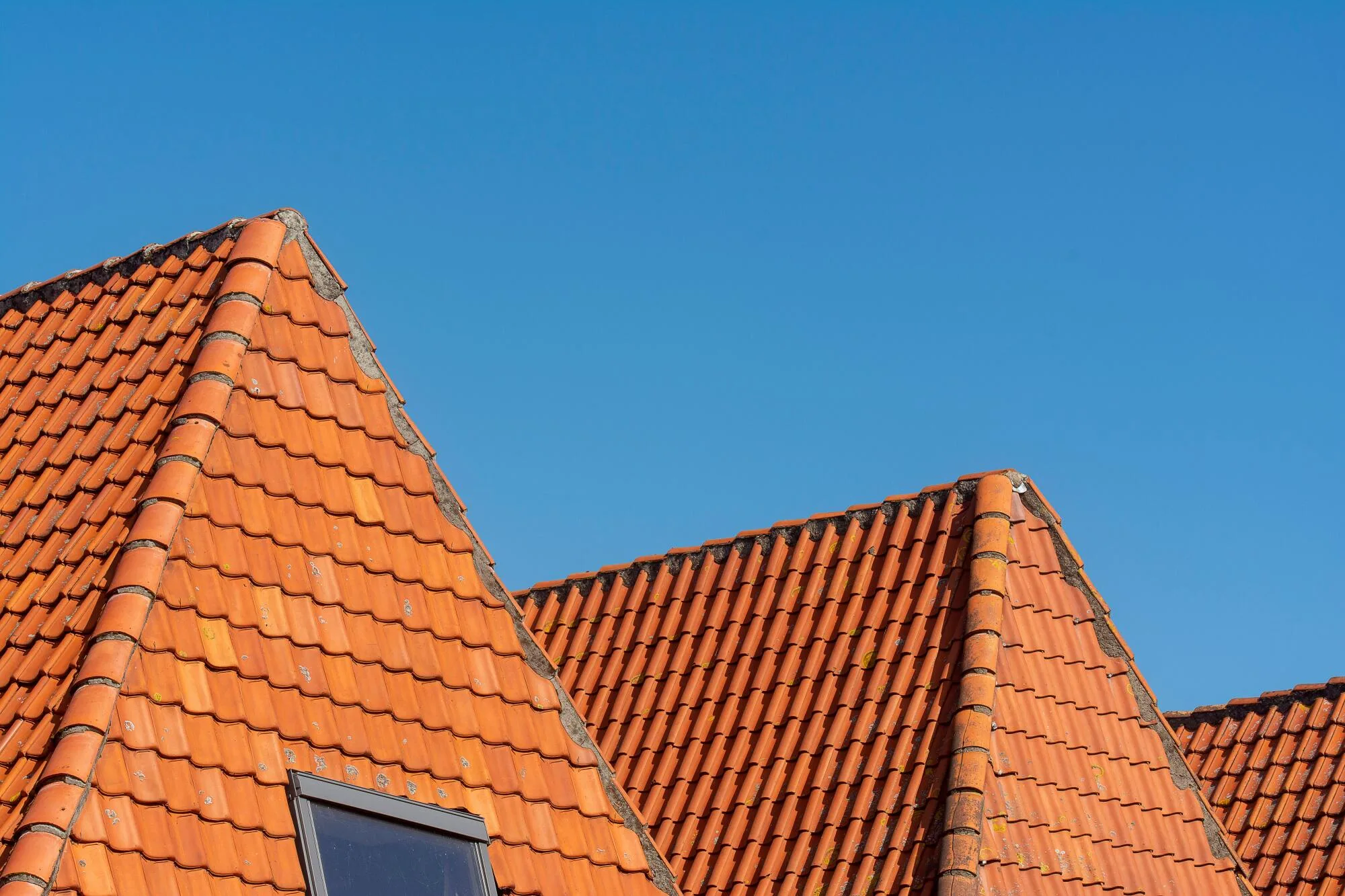
The exterior of your home is the first impression buyers get, so it needs to stand out. As a matter of fact, poor curb appeal can instantly make a buyer lose interest before they even step inside. Overgrown lawns, cracked driveways, or peeling paint can easily scare buyers off. In contrast, a well-maintained yard, fresh paint, and clean walkways will create a welcoming atmosphere. Minor fixes like adding fresh mulch, trimming bushes, or planting flowers can significantly improve the exterior’s appearance. Small updates are often more cost-effective than you might think, yet they offer a substantial return on investment. Keeping the outside of the home tidy and well-cared-for is a simple yet effective way to increase buyer interest.

Caption: A well-maintained exterior can make a strong first impression, but is often one of the overlooked factors that stop homes from selling
Photography and Online Presence Matter More Than You Think
In today’s real estate market, first impressions are often made online. Low-quality photos can make a property less appealing. Even the best homes can fail to attract buyers if their online listings don’t showcase them well. Buyers typically look at multiple listings before choosing which ones to visit. Blurry images, poor lighting, or a lack of photos can make your home appear less desirable. Having a virtual tour or 3D floor plan can offer buyers a better sense of the space and layout. Then again, professional photographers often know how to highlight the best features of a property. Investing in high-quality photography can make a significant difference in whether your home sells quickly or sits on the market.
Outdated Interiors Can Turn Buyers Away
Outdated design choices can make buyers question whether a property is worth the asking price. Of course, some buyers may love vintage, well-maintained features, but many will see them as a sign of neglect. Old carpets, wallpaper, or worn-out appliances are common dealbreakers. Hence, refreshing the interior can give the home a modern, appealing look without a major overhaul. A fresh coat of paint, new light fixtures, or updated kitchen hardware can work wonders. In short, small improvements can bring your home up to date without breaking the bank. If you’re unsure of what to change, consult a home staging expert for guidance. Updating these details will increase your home’s marketability and help it appeal to a broader audience.

Caption: Fresh updates and a clean, modern interior make your home more attractive to buyers.
Get Good Packing and Moving Supplies to Ensure a Smooth Transition
Once you’ve sold your home, getting ready for the move is the next step. The process can be overwhelming, but having quality moving supplies makes everything more manageable. Investing in sturdy boxes, bubble wrap, and packing tape is essential to protect your belongings during transit. Above all, you want your items to arrive in the same condition they left in, so high-quality supplies are worth the investment. Many local stores offer moving supplies, or you can find specialized suppliers online. Planning ahead and organizing the move will ensure that you start your next chapter with ease. Always remember to get quality moving supplies to make the entire process more efficient and less stressful.
Odors Can Be More Deterrent Than You Think
Unpleasant odors are often overlooked factors that stop homes from selling. They have a huge impact on a buyer’s perception of a home. In fact, bad smells are one of the most common silent dealbreakers. Musty odors, pet smells, or cooking aromas can overwhelm buyers the moment they walk in the door. On the other hand, fresh air, clean carpets, and a neutral scent will make buyers feel more comfortable and at ease. Using air purifiers or having the carpets cleaned can help eliminate lingering odors. You could even bake cookies or light a scented candle for showings to create a welcoming environment. Keeping the home clean and odor-free is one of the simplest ways to increase the chances of a sale.
Neighborhood and Surrounding Area Influence Buyer Decisions
The location of your home plays a significant role in the selling process. However, it’s not just about the home itself—buyers will also consider the neighborhood. Crime rates, noise levels, or proximity to schools and amenities can impact the buyer’s decision. A quiet neighborhood with easy access to shopping, public transportation, or parks will attract more buyers. Highlighting the strengths of your location in your listing can work in your favor. If you live near schools or a public transit line, emphasize these advantages. The buyers will be more likely to make an offer if they feel the surrounding area meets their lifestyle needs.

Caption: A desirable neighborhood with amenities and safety features increases your home’s appeal.
The Price Must Be Right to Attract Offers
Pricing your home correctly is one of the most critical steps in the selling process. Many sellers tend to overestimate their property’s worth, which can lead to frustration later on. Overpricing your home can lead to it sitting on the market for too long, giving the impression that it’s not desirable. Similarly, underpricing can lead to missed opportunities for a higher return. Researching comparable sales in your area and consulting a real estate agent will help set a fair and competitive price. Nevertheless, pricing should also reflect the home’s condition and location. Setting the right price from the start will help you attract serious buyers quickly, avoiding the slow buildup of price reductions and diminishing interest.
Staging: How Your Home Looks Matters
Home staging is an often-overlooked aspect of selling a property. Besides, many sellers believe their home will sell on its own without the need for staging. Poorly furnished or cluttered spaces can make the home feel smaller or less inviting. Staging allows buyers to visualize how the space can be used, making the home feel more welcoming. A professional stager can arrange furniture and decor in a way that enhances the home’s best features. Whether it’s removing personal items or adding modern touches, staging can transform a property into a space that buyers can imagine themselves living in. Staging can increase your home’s sale price and reduce the time it spends on the market.
Avoiding Overlooked Factors That Stop Homes from Selling
Addressing overlooked factors that stop homes from selling is crucial for a successful sale. From curb appeal to pricing, these silent dealbreakers can make or break a deal. By focusing on these details, sellers can enhance their listings and avoid costly mistakes, ensuring a smooth and profitable transaction.