Modern home building tries to make homes that can take care of themselves, like ecosystems. This is a big difference. The purpose of this movement is to make the environment healthier and people’s lives better by merging the newest building technology with natural processes. People who design days are transforming the way we think about homes. They don’t think of them as permanent buildings; they think of them as places to live that handle water, power, and trash. Because this happened, we need to change the way we build things totally. We shouldn’t only use things in a straight line; instead, each thing and mechanism we use should help build a cycle of regeneration.
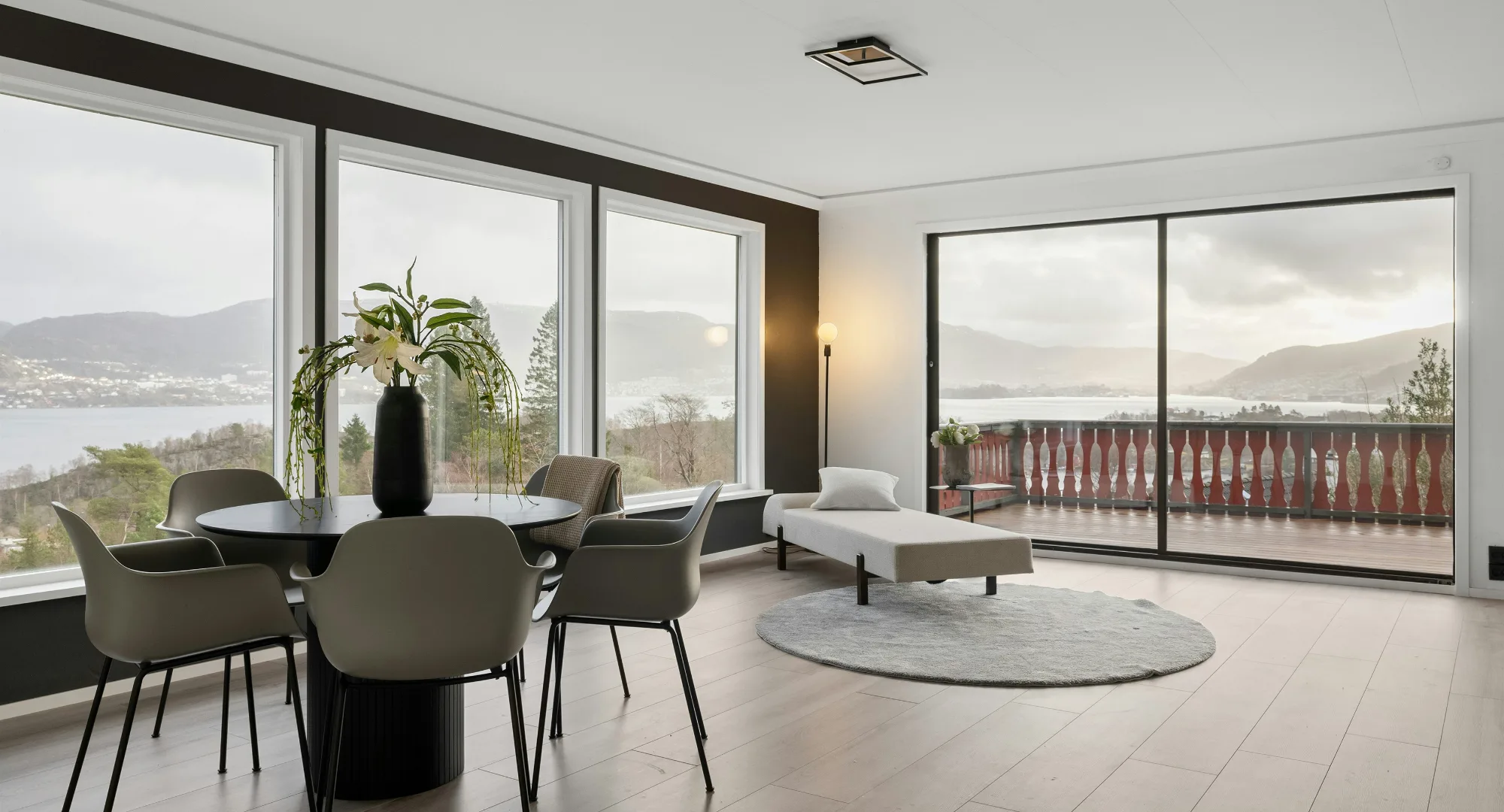
Toronto Canadian Choice Windows has made this move much easier by manufacturing doors that work really well and reduce down on a building’s thermal footprint by a lot. These installations are especially important in places where the weather fluctuates a lot. They make the inside comfortable and use less energy to change the temperature. These systems bring in as much natural light as possible without losing heat, which usually costs money. They use inert gas fills and low-emissivity coatings to do this. People who own homes and wish to keep their homes safe from rising energy prices and harsher environmental requirements are interested in the building envelope.
Putting smart systems together with natural design
People have more influence over their houses than ever before thanks to the marriage of digital technology and natural architecture. You can now add smart sensors to indoor gardens to keep an eye on things like how wet the soil is and how clean the air is. They might even modify the watering and air flow on their own to keep everything in the finest possible balance. This level of automation makes sure that resources are only used when and where they are needed. This cuts down on the waste that occured in prior housing systems. Biophilic design is the process of adding natural elements like living walls and water features to a dwelling. When used with these technologies, it creates a space that is good for both your body and mind.
Modular and prefabricated construction is also getting more and more common. This makes it easier to create dwellings that work well and use less material. When builders manufacture parts in a factory that is well controlled, they may be almost sure that they will fit together correctly on a regular construction site. This method saves down on a lot of waste and helps you put together complicated electrical and insulation systems before the house is even finished. This simpler strategy not only speeds up the construction of new homes, but it also guarantees that every home is built to the highest standards of durability and efficiency from the day it is occupied.
The Future of Resilience in the Home
The idea of home resilience has gone from being something that just a few people were interested in to something that everyone needs as weather patterns throughout the world become less predictable. People are building new homes that can deal with the problems that come with the places where they are built. This could mean using materials that don’t catch fire, roofs that don’t fly away, or foundations that stay dry. You need more than just physical protection to be totally strong. It also means being able to work without centralized utility grids in case something goes wrong. This is conceivable because modern families may rely on solar panels, battery storage, and rainwater collection devices as backups.
The main purpose of these new concepts is to make a home that fits in with its surroundings instead than standing out. Putting circularity and resourcefulness first, homeowners today are leaving behind a legacy of care and comfort. The house of the future isn’t just a place to live; it’s a smart machine that cares about every resource it touches and helps people live in a way that is healthy for the environment. In a world that is continuously evolving, we are seeing a new norm for what it means to feel at home. This is possible because of a combination of creative design and useful engineering.