A messy home can sneak up on you. One chair becomes the laundry mountain. One garage shelf turns into a mystery museum of cords, paint cans, and things you meant to fix three summers ago. The good news is you don’t need a huge makeover to feel better at home. A few simple decluttering moves can free up space, lower stress, and make your rooms easier to use. You’re not aiming for perfection here. You’re aiming for progress that actually sticks.
Start with quick wins
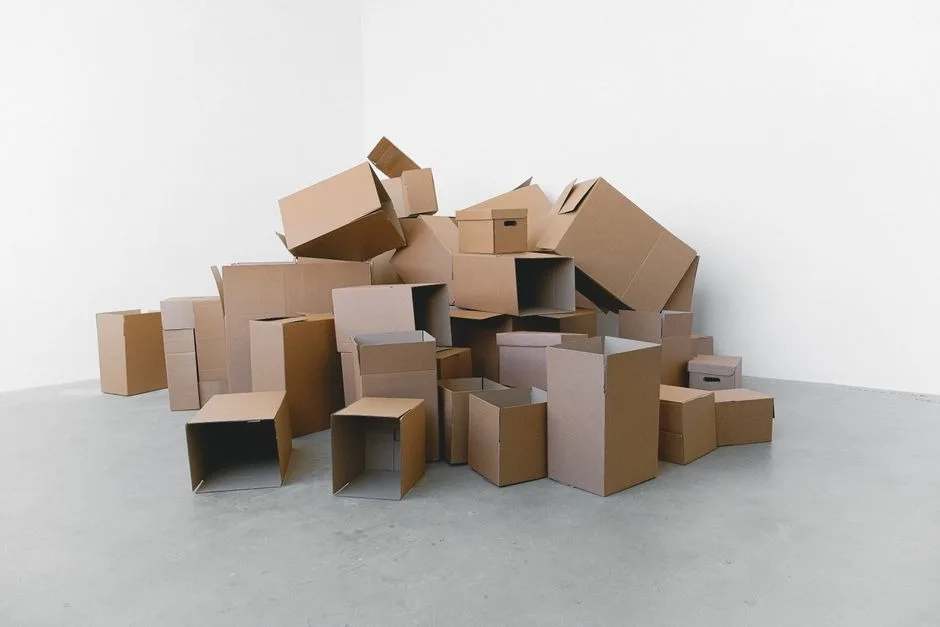
The fastest way to make decluttering feel doable is to start small. Pick easy items first, like broken baskets, old delivery boxes, worn-out rugs, or random things you already know you don’t want. That quick progress gives you a little spark, and honestly, you need that spark when facing a garage that looks like it swallowed a hardware store.
If the mess includes bulky furniture, yard debris, or a pile that won’t fit in your regular trash, hiring a local junk removal company can make life much easier. You save time, skip the heavy lifting, and avoid stuffing your car like a game of storage Tetris.
The point is to make the first step feel light. When you begin with obvious clutter, you build confidence fast. Then the bigger jobs don’t feel so boss-level.
Pick one trouble spot
Trying to clean the whole house in one day usually ends with sore feet and half-finished piles. It works better when you choose one problem area and stick to it. Think of a junk drawer, a coat closet, one side of the garage, or that corner of the bedroom where things go to retire.
A focused space gives you a clear finish line. That matters because clutter often feels stressful when it has no edges. Once you define the area, the task becomes more real and less dramatic.
Take a quick look at how the space is actually used. A mudroom should help you get in and out the door. A guest room shouldn’t double as a cardboard kingdom. When you match the space to its purpose, it gets easier to decide what belongs there.
Keep your goal simple. Don’t aim to redesign the room. Just make that one spot more useful today.
Sort without overthinking
You don’t need a fancy system. You just need a few clear categories: keep, donate, toss, and relocate. That’s it. If you create too many piles, you’ll spend more time thinking than doing, and clutter loves that kind of delay.
When you pick up an item, ask a few honest questions. Do you use it? Does it work? Would you buy it again today? If the answer is no, that tells you a lot. Some things are easy. A cracked bin or dead appliance can go. Other things are trickier because of memories or guilt.
That’s where speed helps. Give yourself permission to make good-enough choices. Not every object deserves a long backstory. If you haven’t touched it in years and it adds no value now, it may be time to let it go.
For sentimental items, keep a small limit. One memory box beats ten mystery totes. Nostalgia is nice, but it shouldn’t need its own zip code.
Make hauling easier
Once you’ve sorted everything, the next challenge is getting it out. This step matters more than people think because trash bags and donation piles have a sneaky habit of hanging around like uninvited houseguests.
Group similar items together before moving them. Put donations in boxes, bag up trash, and stack larger items near the exit if they’re safe to move. Labeling helps too, especially if multiple people in your home are involved. You don’t want someone rescuing a broken lamp from the toss pile like it’s a family treasure.
If you’re dealing with heavy or awkward items, protect your back and your walls. Use gloves, clear a path, and don’t try to carry something oversized by yourself just to prove a point. There’s no medal for wrestling a sleeper sofa down the hall.
It also helps to plan disposal ahead of time. Know what can go curbside, what needs donation, and what may need pickup. That way the clutter leaves for real instead of just changing rooms.
Keep clutter from creeping
Decluttering once feels great. Keeping it that way is the real trick. The easiest method is to build small habits that don’t feel annoying. You’re not trying to run your home like a drill camp. You just want a few simple guardrails.
A good rule is one in, one out. If a new kitchen gadget comes in, an old one leaves. If you buy new clothes, choose a few pieces to donate. This keeps your storage from slowly puffing up again.
Try a ten-minute reset once or twice a week. Walk through the main living areas and put stray items back where they belong. It’s quick, low drama, and surprisingly effective.
You can also create limits for clutter-prone zones. One basket for shoes by the door. One shelf for hobby supplies. One bin for pet gear. Limits make decisions easier because the space itself tells you when enough is enough.
Enjoy the extra space
A cleaner home gives you more than open floor space. It changes how your day feels. You spend less time looking for things. Cleaning gets easier because you’re not moving piles from one surface to another. Rooms start working the way they should.
That extra space can become something useful. Maybe your cleared corner turns into a reading chair spot. Maybe your garage finally fits the car. Maybe your guest room is ready for actual guests instead of boxes labeled “misc.” That word is often just clutter wearing a fake mustache.
There’s also a mental shift that comes with finishing a decluttering project. You feel more in control. Your home feels calmer and more welcoming. Even small wins can make a big difference when life feels busy.
You don’t need to do everything at once. Just choose one area, make a few solid decisions, and get the unwanted stuff out. Bit by bit, your home starts giving back more comfort than chaos.