It doesn’t have to be a full outdoor makeover to have an open and inviting outdoor space. Careful planning can make any backyard, patio or terrace look bigger, brighter, and more useful. If you’re looking for a quick refresh or a larger upgrade, layout, colors, and materials can make a significant impact.
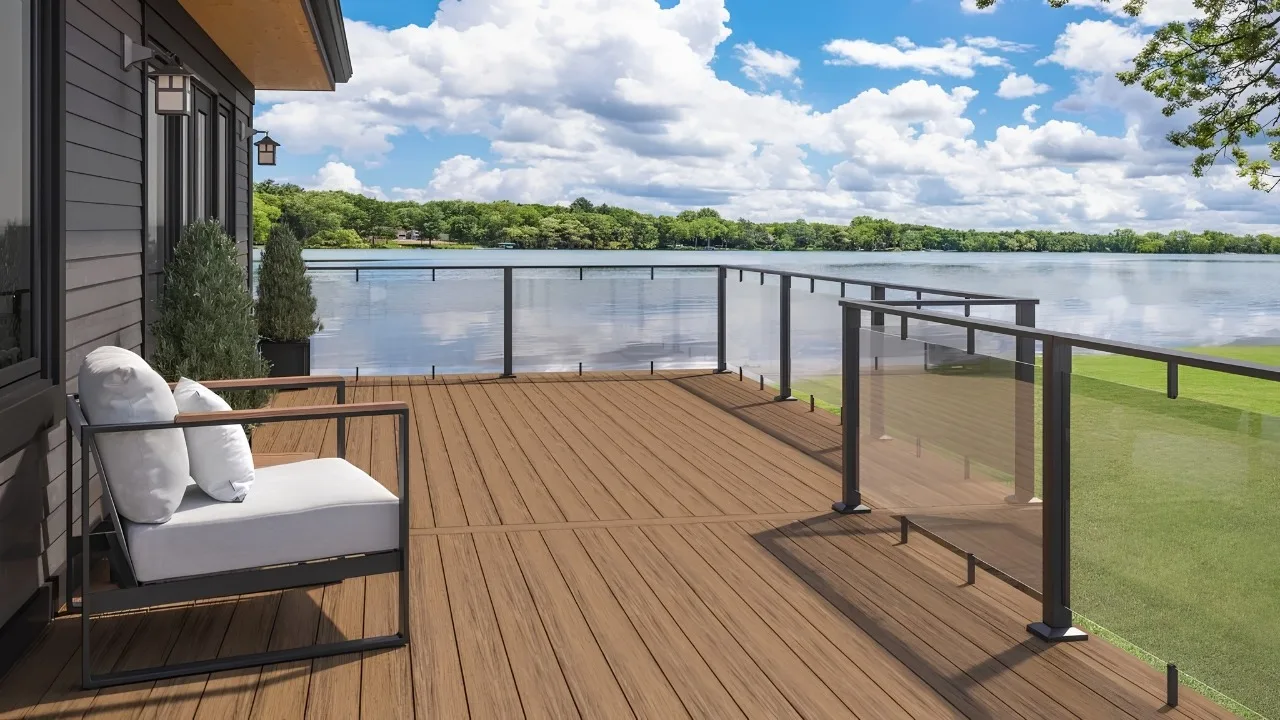
Today, many homeowners choose glass railings deck solutions because they allow them to remain safe without taking away from the beauty and natural light of their outdoor areas, helping to make their outdoor spaces larger and more connected to the outdoor environment. Here are seven easy tips on how to make your outdoor area more open and stylish and comfortable.
1. Keep Sightlines Clear
One of the best ways to make any outside space appear bigger is to have an open view. If the eye is free to travel across the area without any constriction, the yard becomes larger. Don’t install large furniture or decorations that obstruct sightlines.
There are several simple solutions to maintaining sightlines, such as:
- Choose furniture designed for outdoor use but without a high silhouette.
- Make walkways uncluttered.
- Don’t have too large a planter too close to seating.
- Pick out uncomplicated, simple decor.
- Provide adequate open walking space.
Your outdoor space will feel brighter, cleaner and more welcoming to use and entertaining guests due to the less visual barriers.
2. Choose Light Colors
The way an outside area looks can be impacted by color. Lighter hues tend to reflect sunlight and add a fresh, airy feel to any room, while darker hues may also make it feel more enclosed. By incorporating neutral colors, you can also easily change your decor over time.
These are the colors to be taken into consideration:
- White outdoor furniture.
- Cushion in a beige or cream color.
- Light gray flooring.
- Soft-colored planters.
- Natural wood finishes.
These hues will give your outdoor space a classic appearance and make it seem larger, brighter and more inviting year-round.
3. Add Layered Landscaping
The lovely landscape is designed in a way that it does not make the place overcrowded. Avoid planting at uniform height – vary the planting height to lead the eye across the yard. This is a great way to add depth and interest without making the space look cluttered.
Try combining:
- Ground cover plants.
- Flowering shrubs.
- Ornamental grasses.
- Medium-sized bushes.
- Small decorative trees.
Using layers in landscaping provides a well-balanced environment, and helps to make the landscape look lush without taking over a lot of space.
4. Use Multi-Functional Furniture
Any outdoor furniture should be comfortable and put to best use for space. Multi-functional items are less cluttered as they serve multiple functions. This is particularly helpful for patios and smaller backyards.
These are some of the best furniture choices you can make:
- Storage benches.
- Folding tables.
- Stackable chairs.
- Storage ottomans.
- Extendable dining tables.
Opting for practical furniture creates a more functional outdoor space, with the flexibility to relax or entertain.
5. Create Separate Activity Zones
Use of defined areas for various activities in small outdoor areas is appropriate. Zoning your yard creates a sense of order, but without using permanent obstacles. The sections should be transitioned smoothly.
Spaces can be made for:
- Outdoor dining.
- Family gatherings.
- Reading and relaxing.
- Gardening.
- Children’s play.
To help separate each space while maintaining the openness of the space, consider using rugs, planters or subtle variations in flooring materials.
6. Maximize Natural Light
Natural light will open up outdoor spaces instantly and make them more inviting to us. Brighten up the day in your yard to create a great place to be throughout the day.
There are simple solutions to achieve more natural light:
- Trim overgrown trees.
- Select reflective paving materials.
- Place warm outdoor lights.
- Maintain an unobstructed view of windows on the yard.
- Go with lighter shades for exterior finishes.
This includes a lighter-colored outdoor space, which makes it a more pleasant place to be and will help to keep you active outdoors all year long.
7. Keep Decorations Simple
Decorations are crucial, but can clutter an outdoor area if overstuffed. A simple, well-designed layout looks neater and more sophisticated, and leaves a visual mark on the most important details.
Concentrate on a couple of fine decorations like:
- Large planters.
- Outdoor lanterns.
- Decorative cushions.
- Fire pits.
- Weather-resistant artwork.
This minimalist design ensures balance and creates a serene, chic, and low-maintenance outdoor space.
Final Thoughts
Making good decisions about design is the key to creating an open outdoor space. Since all of these elements help to make any backyard and patio larger and more enjoyable, it’s important to keep sightlines open, stick to light colors, choose practical furniture and simplify your decor. These basic concepts will make your outdoor space more comfortable, easier to use and attractive, regardless of size. For installations that will last for many years, consider the use of quality glass railing hardware for your features to maintain safety and durability while contributing to their beauty.
FAQs
1. What can you do to make a small outdoor area feel larger?
Use light colours, keep items simple, keep spaces clear and simple furniture. These modifications result in an open look.
2. Which colors are best for outdoor use?
Neutral colors such as white, beige, light gray, etc. bounce light and help to open up a space.
3. Why is natural light important?
Outdoor areas will be larger and easier to see in, providing a beautiful venue all day long with natural light.
4. Is multi-functional furniture a worthwhile purchase?
Yes. It is space-saving, less clutter and provides flexibility, particularly in smaller backyards and patios.
5. What do I do to maintain an orderly outdoor area?
Keep furniture and decorations to a minimum, establish areas for specific activities, and regularly clear away items that are not needed to keep the space uncluttered and free of decorations.