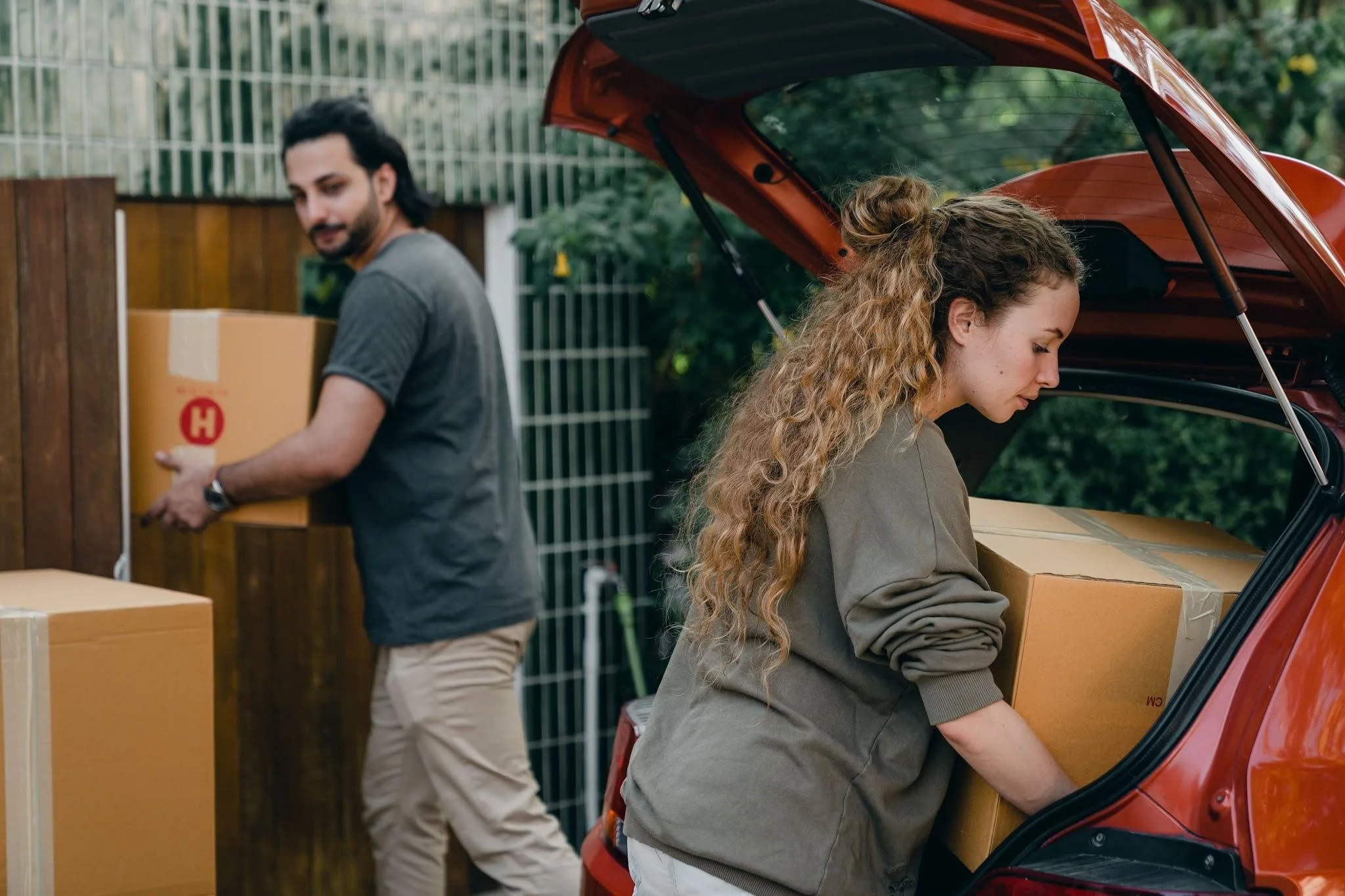
Moving house brings a mix of excitement and total chaos. Packing up years of accumulated belongings into cardboard boxes quickly becomes a chaotic chore. Finding smart strategies helps keep stress levels low when moving day arrives.
Streamlining the entire process requires planning ahead and using smart storage habits. Clear out unnecessary items early to reduce the overall volume of goods. Having a clear plan keeps everything moving forward without sudden delays.
Start Decluttering Six Weeks Out
Sorting through belongings long before the movers arrive makes packing far less daunting. Six weeks out is the optimum decluttering window. Tackle one space at a time to prevent burnout.
Walk through every room four to six weeks before your move and sort items into three piles: keep, donate, and throw out. Getting rid of unwanted items cuts down on total moving costs. Fewer boxes mean less heavy lifting later on.
Old clothes, duplicate kitchenware, and forgotten gear take up valuable space. Clearing out the excess creates a clean slate for the new home.
Secure Temporary Off-Site Storage
Moving directly from one property to another does not always happen on a seamless schedule. Gaps between settlement dates or lease agreements create temporary housing hurdles. Non-essential items temporarily placed in Hastings self storage units help make your move more manageable during transitions. Stash non-essential items away to keep your current living area clear of box towers.
Off-site spaces provide breathing room while settling into a new neighborhood. Staging furniture in storage also helps showcase a home for potential buyers. Renting a unit takes the immediate pressure off moving day.
Gather High-Quality Packing Supplies
Using weak or flimsy materials often leads to damaged goods during transport. Invest in proper packing materials to protect valuable items. A good supply of sturdy boxes, packing tape, bubble wrap, and markers prevents last-minute headaches.
Strong tape prevents box bottoms from giving out mid-transit. Bubble wrap protects fragile glassware and electronics from sudden bumps on the road. Uniform box sizes make stacking much easier inside moving trucks.
- Heavy-duty corrugated cardboard boxes
- Industrial-strength packing tape
- High-grade bubble wrap and packing paper
- Thick permanent markers for labeling
- Protective mattress and sofa covers
Master the Art of Weight Distribution
Heavy boxes cause back strain and tend to tear open mid-move. Smart packing requires balancing weight across different containers. Pack heavier items at the bottom of boxes, heavier boxes at the bottom of piles, and larger items at the back of your unit.
Put heavy items like books or tools inside small boxes. Reserve large boxes for lighter items like pillows, linens, and winter coats.
Proper weight distribution keeps stacks stable during transport. Sturdy bases protect fragile items resting higher up in the load.
Label Boxes by Room and Priority
Unpacking becomes far more efficient when every box is clearly labeled before moving day. Without a proper labeling system, you’ll likely spend valuable time opening multiple boxes just to find everyday essentials. Taking a few extra minutes to organize and label each container while packing can save hours of frustration once you arrive at your new home.
Write the destination room on every box, such as “Kitchen,” “Master Bedroom,” or “Bathroom,” along with a short list of the main contents. Label at least two sides and the top of each box so the information remains visible no matter how the boxes are stacked. This makes it easier for both you and the movers to identify where each box belongs without having to move everything around.
Utilize Moving Equipment Safely
Lifting heavy furniture by hand quickly leads to physical exhaustion or injury. Proper equipment speeds up the process while keeping everyone safe. Dollies and handcarts are good for moving items faster – just don’t overload them.
- Wheel dollies for moving heavy appliances
- Furniture sliders to protect hardwood floors
- Heavy-duty ratchet straps for securing loads
- Hand trucks for stacked cardboard boxes
Using proper tools protects floors and doorframes from accidental scuffs. Renting equipment for a single day pays off in saved effort.
Prepare Your Home Before Removalists Arrive
Leaving packing until the final morning creates unnecessary chaos. Removalists work best when everything is boxed and ready to load. Begin packing 4 to 6 weeks before moving day.
Clear main pathways so movers carry items through hallways without tripping hazards. Disassemble large bed frames and tables the night before to save time. Keep pets and young children in a quiet, safe room out of the main walkway.
Preparation prevents unexpected delays and keeps professional movers working efficiently. A smooth start sets a positive tone for the rest of moving day.
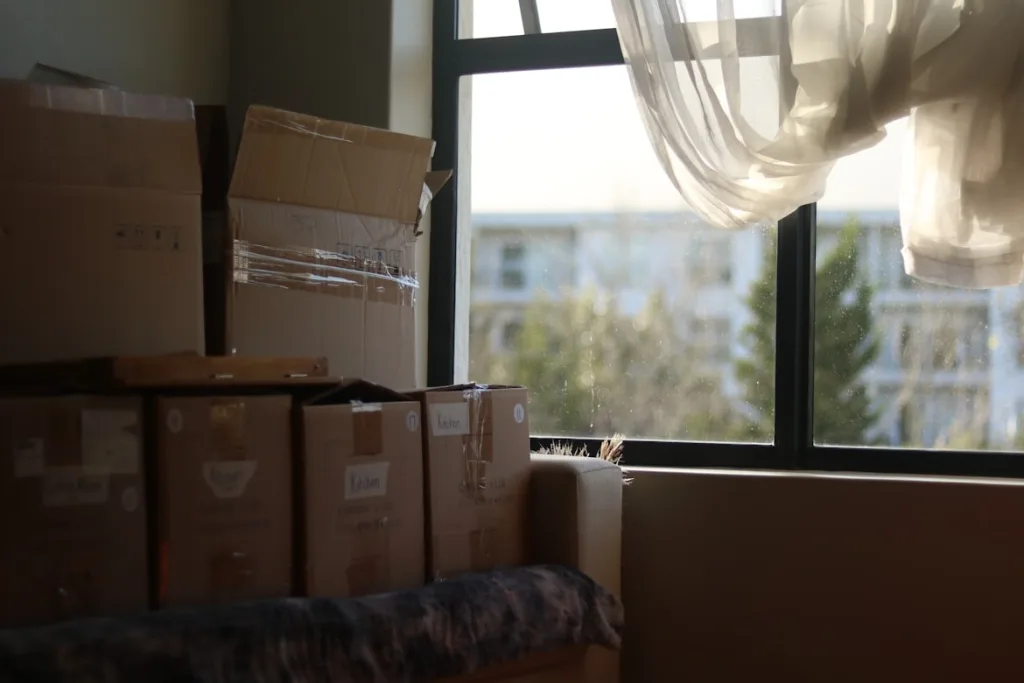
Staying organized turns a stressful house move into a manageable project. Taking time to pack systematically saves energy during unpacking. Proper planning allows for celebrating the new home rather than hunting for lost keys.