Have you ever had something break in your home at the worst possible moment, like a leaking pipe right before guests arrive or a dead heater in the middle of winter? Most homeowners have, and the frustration often feels avoidable in hindsight.
Owning a home today means balancing rising costs, aging infrastructure, and busy schedules. Across the U.S., more people are delaying maintenance due to inflation, only to face bigger repair bills later. The good news is that many unexpected repairs can be prevented with simple habits, smart timing, and a bit of awareness.
Pay Attention to Small Warning Signs
Most major home repairs do not start as major problems. They begin quietly, with a faint drip, a strange noise, or a slight crack that is easy to ignore. It is tempting to put off dealing with these issues, especially when life gets busy, but those small signals are often your home’s way of asking for attention before things get expensive.
For example, a slow leak under a sink might seem harmless until it leads to mold or cabinet damage. A flickering light could point to a wiring issue that worsens over time. Taking a few minutes each week to notice changes can save thousands of dollars later. Treat your home like a car that needs regular check-ins rather than waiting for it to break down completely.
Keep Water Systems in Check
Water-related problems are among the most common and costly home repairs in the U.S., especially as older plumbing systems continue to age. Regularly inspecting pipes, faucets, and water pressure can prevent sudden failures that disrupt daily life and strain your budget.
In rural and suburban areas, homeowners often rely on well pump repair services when water supply issues arise. Ignoring early signs like low pressure or unusual noises can lead to complete system failure. Checking for leaks, testing water flow, and scheduling periodic inspections ensures that your water system stays reliable and avoids emergency fixes that tend to cost more.
Understand Your Home’s Age and Materials
Many homes in the United States were built decades ago, and their materials reflect older standards. Knowing what your home is made of helps you anticipate problems before they surface. For instance, older wiring may not handle modern appliances, while aging roofs or insulation may struggle with changing weather patterns.
Recent climate shifts, including more intense storms and heat waves, have put additional stress on homes. Understanding your home’s weak points allows you to act early. If your house is over 20 years old, consider a professional inspection every few years. This helps you stay ahead of issues that are not visible during everyday living.
Stick to a Seasonal Maintenance Routine
One of the simplest ways to avoid unexpected repairs is to follow a seasonal checklist. Each season brings different challenges, from freezing temperatures in winter to heavy rains in spring. Planning ahead allows you to prepare your home instead of reacting to damage.
In the fall, check heating systems and seal any drafts. In spring, inspect outdoor areas and look for signs of water damage. Summer is a good time to test cooling systems, while winter calls for extra attention to pipes and insulation. By breaking maintenance into manageable chunks throughout the year, you reduce the risk of being overwhelmed and missing critical tasks.
Invest in Basic Tools and Skills
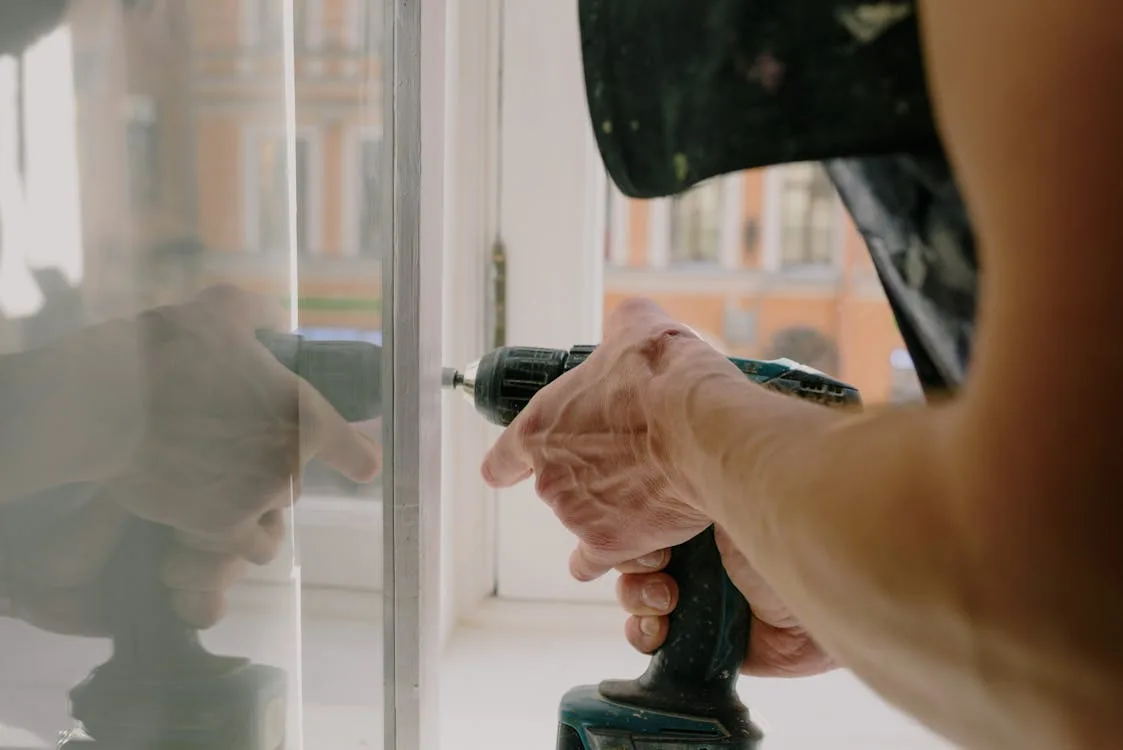
You do not need to be a professional contractor to handle basic home maintenance. Having a few essential tools and learning simple skills can prevent minor issues from turning into major repairs. Knowing how to shut off your water supply, reset a breaker, or patch a small hole can make a big difference.
There has been a growing trend of DIY home care, especially as people look for ways to cut costs. While not every repair should be handled alone, understanding the basics gives you confidence and control. It also helps you recognize when a problem requires professional help, which can prevent costly mistakes.
Create a Repair Fund Before You Need It
One of the biggest challenges with home repairs is not just the inconvenience but the cost. Unexpected repairs can strain finances, especially when they come without warning. Setting aside a small amount each month for a repair fund can make these situations far less stressful.
Financial experts often recommend saving one to three percent of your home’s value annually for maintenance and repairs. While that might sound like a lot, spreading it out over time makes it manageable. This habit ensures that when something does go wrong, you are prepared instead of scrambling to cover the expense.
Homeownership will always come with surprises, but they do not have to be disasters. By staying attentive, planning ahead, and responding to early signs, you can turn unexpected repairs into manageable tasks. In a time when costs are rising and homes are aging, a little prevention goes a long way toward keeping both your house and your peace of mind intact.