A home exterior can feel plain or lose its charm over time. Wood, stone, and brick add natural color and texture, and they can last for years with care. This guide compares their style, upkeep, and fit for your climate to help you choose materials for your home.
Find your home’s best look.
Benefits of Using Natural Materials for Home Exteriors
Natural materials offer beauty that lasts. They are also friendly to the environment and stand up well to time.
Timeless aesthetic appeal
Wood, stone, and brick give a home facade a lasting look. Their organic textures and natural finishes suit many styles, from rustic to minimalist, and add curb appeal.
Sustainability and eco-friendliness
A timeless style can also support sustainable design. Choose natural materials from responsible sources. Consider recycled or reclaimed options, too. Reusing materials can reduce demand for new products.
Local building materials travel shorter distances, which can lower transport emissions. Check where each material comes from and how makers produce it. These choices can reduce a home’s environmental impact while keeping its natural textures and curb appeal.
Durability and longevity
Durable natural materials can help a home exterior last for years. Stone and brick resist wear, while wood needs regular care to stay in good shape. The next section compares popular materials and their care needs.
Popular Natural Materials for Home Exteriors
Natural materials bring unique charm to home exteriors. They offer a mix of beauty and function that fits various styles.
Wood: Warmth and versatility
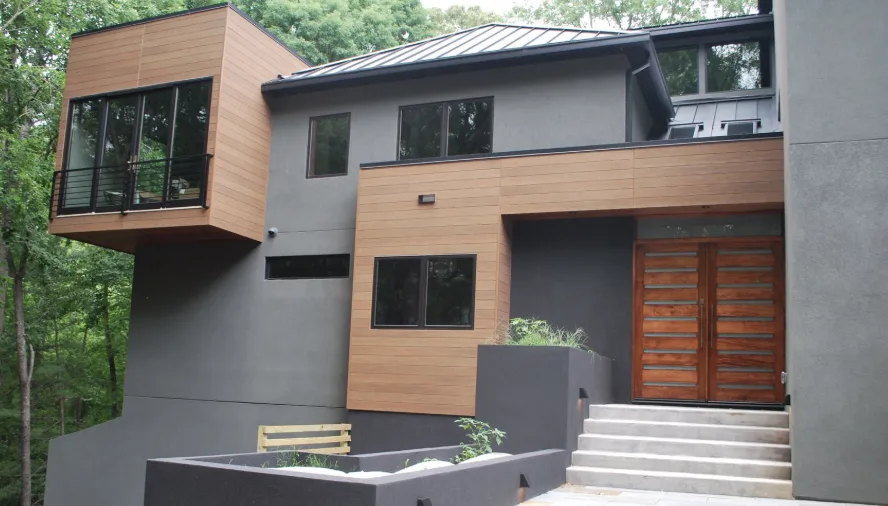
Wood adds warmth and character to home exteriors. It comes in many styles and colors, making it a versatile choice. Different types of wood can create various looks, from rustic charm to modern sleekness.
Many homeowners choose wood because it is eco-friendly and sustainable. With proper care, it lasts a long time. Wood can also be painted or stained to match any design theme perfectly. Black Locust siding is one option homeowners consider, since this dense hardwood naturally resists rot and insects without heavy chemical treatment.
Its natural beauty enhances curb appeal while providing an inviting feel for your home. Natural stone brings strength and texture next in the discussion of materials for home exteriors.
Natural Stone: Strength and texture
Natural stone adds strength and texture to homes. It comes in many forms, like granite, marble, and slate. Each type offers a unique look and feel. This material is strong and can withstand harsh weather. Homes with natural stone stand the test of time.
The texture provides a rich aesthetic appeal that blends well with nature. Stone surfaces are also low-maintenance, needing less care than other materials. Their durability means fewer repairs over the years, making them eco-friendly choices for sustainable design.
Next up is another popular option: brick offers classic charm and low upkeep needs.
Brick: Classic and low-maintenance
Brick offers a classic look for home exteriors. It has a timeless appeal that suits many architectural styles. This material comes in various colors and textures, making it easy to fit different designs. Brick is tough and can last for decades with little maintenance.
Cleaning brick is simple. Just wash it with water when needed. It resists fire, pests, and weather damage too. Using brick helps reduce environmental impact since it is often made from natural materials. This makes it an eco-friendly choice for those who want sustainable options for their homes.
Metal: Sleek and modern design
Metal brings a sleek and modern look to any home. Its smooth surfaces reflect light beautifully, adding shine and elegance. This material is also strong and durable. It withstands the elements, making it an excellent choice for outdoor use.
With metal, you can create unique designs that stand out. Many homeowners choose metal for its low maintenance needs too. A simple wash keeps it looking fresh and new. Metal offers a contemporary feel while still being eco-friendly and sustainable in design choices.
Tips for Choosing the Right Natural Materials
Choosing the right natural materials can greatly enhance your home’s look. Think about your surroundings and how different textures and colors work together.
Consider your local climate and environment
Your local climate and environment shape how materials perform. In hot areas, choose materials that resist heat and fading. Wood may require more maintenance in humid climates. Stone can handle moisture well but may be cold in winter.
Look at the weather patterns in your area. Windy places benefit from sturdy materials like brick or metal. If you live near the coast, select salt-resistant options to avoid corrosion.
Local wildlife can also impact material choice; some may damage softer wood types, while others could thrive on natural finishes.
Balance textures and colors for a cohesive look
Textures and colors play a big role in home design. Use different materials to create interest, but keep them balanced. Warm wood can pair well with cool stone. Mixing these textures adds depth without overwhelming the eye.
Choose colors that complement each other. A neutral palette allows natural materials to shine. Bold accents can highlight details like window frames or doors. Aim for harmony in your choices to enhance your home’s curb appeal while staying true to an eco-friendly design style.
Evaluate long-term maintenance needs
Long-term maintenance needs are vital when choosing natural materials. Some materials need more care than others. For example, wood may require regular staining or sealing to protect against water damage and pests.
Natural stone is strong but can chip or crack without proper upkeep.
Brick is low-maintenance and durable, making it a great option for many homes. Metal can resist rust if coated correctly but might need occasional cleaning to stay looking new. Considering these factors helps ensure your home remains beautiful over time while reducing environmental impact with sustainable materials.
Beyond material choices, homeowners can also make their exteriors more sustainable by considering how their roofs contribute to energy efficiency. For homeowners looking to make the most of their roof, a rail less solar mounting system can offer a practical way to install solar panels while maintaining a clean, uncluttered appearance.
Conclusion
Choosing natural materials gives your home a unique look. They offer beauty and warmth. These materials are also eco-friendly and durable. With the right choices, you can enhance your home’s appeal while being kind to the planet.
Make your exterior stand out with nature’s best!