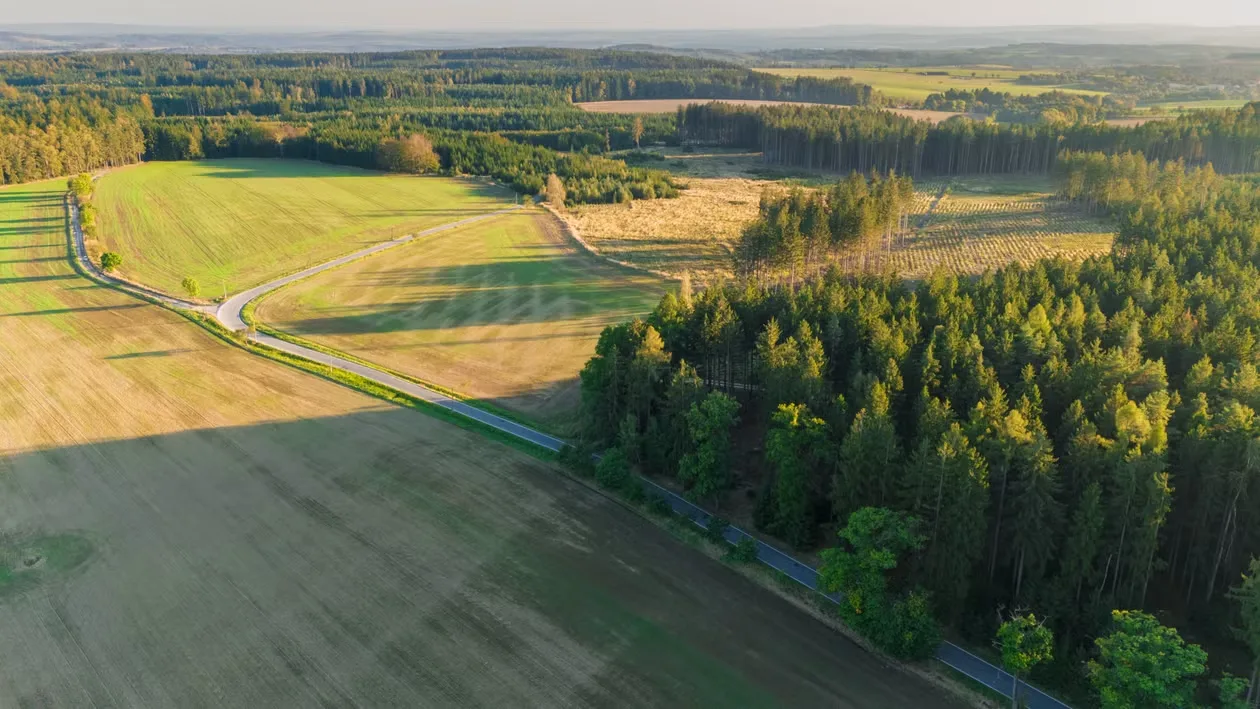
Selling land may seem straightforward at first glance. Many property owners assume that listing their land online and waiting for offers is all it takes. However, the land market operates very differently from the residential housing market. Before you put your property up for sale, there are several surprising facts that could influence how quickly your land sells and how much you ultimately receive for it.
Land Buyers Look for Different Things Than Home Buyers
One of the biggest misconceptions landowners have is that buyers evaluate vacant land the same way they evaluate homes. In reality, land buyers are often focused on future potential rather than current appearance. Factors such as accessibility, zoning, utility availability, and surrounding development opportunities can play a much larger role than the property’s visual appeal. Understanding what buyers value can help you present your property more effectively and avoid overlooking important details that may impact buyer interest.
Pricing Too High Can Hurt More Than You Think
Many landowners set their asking price based on emotional attachment or what they hope the property is worth. While it’s natural to want the highest possible return, pricing land significantly above market value can reduce visibility and discourage serious buyers. Unlike homes, land transactions often involve a smaller pool of buyers. If a property remains listed for an extended period without activity, potential buyers may assume there is an issue with the land or that the seller is unwilling to negotiate. Competitive pricing from the beginning often generates more interest and leads to a smoother selling process.
Property Information Matters More Than Fancy Marketing
A surprising number of buyers make decisions based on available information rather than promotional language. Details such as acreage, access points, zoning classifications, nearby utilities, and potential uses often influence purchasing decisions more than creative advertisements. Providing accurate and transparent information can help build trust with buyers and reduce unnecessary questions during the sales process. The more informed a buyer feels, the more confident they may be when considering an offer.
Timing Isn’t Always the Most Important Factor
Many landowners spend months trying to determine the perfect time to sell. While market conditions can influence buyer activity, a well-priced property with clear information often attracts interest regardless of the season. What often matters more is understanding your goals and properly preparing your property before listing it. Organizing documentation, verifying property details, and having realistic expectations can often make a greater difference than waiting for a specific time of year.
Selling land successfully involves much more than simply creating a listing and waiting for offers. Understanding buyer expectations, setting a realistic price, and providing accurate property information can help you avoid common mistakes and improve your chances of a smooth transaction. If you want to learn more about the land-selling process, visit a reputable source of information, such as PlaceAcre, to gain valuable insights into selling vacant land. Taking the time to educate yourself before listing can help you make more confident decisions and achieve better results throughout the selling journey.