Clean room manufacturing plays a fundamental role in ensuring product quality, safety, and performance across a wide range of high-precision industries. From semiconductor fabrication and medical device production to aerospace engineering and pharmaceutical development, even microscopic levels of contamination can compromise entire production batches. As technology continues to advance and tolerances become increasingly strict, the importance of controlled manufacturing environments has never been greater.
What Is Clean Room Manufacturing?
A clean room is a highly controlled environment designed to minimise the presence of airborne particles, dust, microbes, and chemical vapours. These facilities regulate factors such as temperature, humidity, air pressure, and particulate levels using advanced filtration systems, typically including High-Efficiency Particulate Air (HEPA) or Ultra-Low Penetration Air (ULPA) filters.
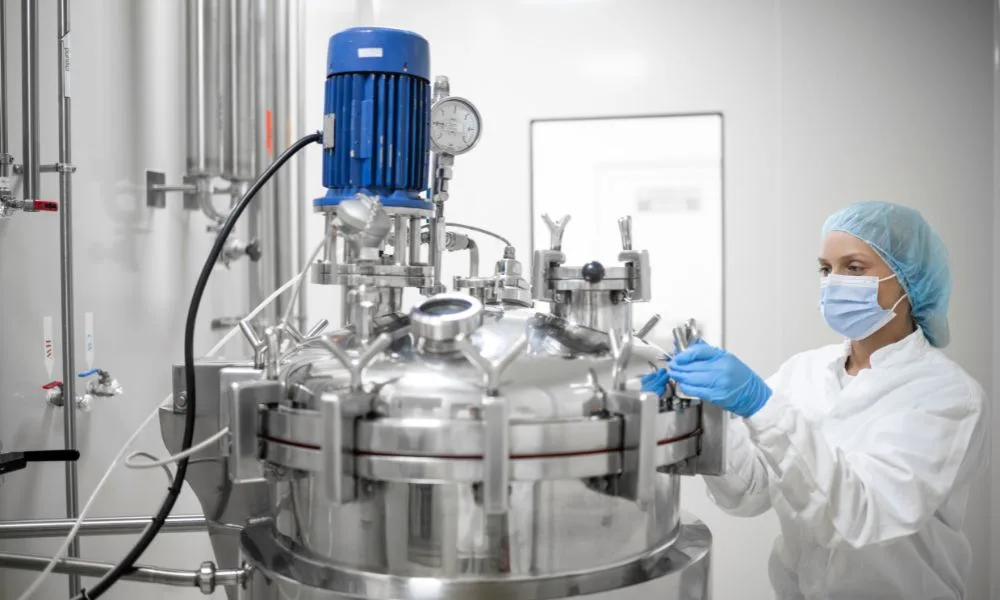
Personnel working in clean rooms must follow strict protocols, including wearing specialised garments, undergoing decontamination procedures, and adhering to controlled movement practices. These measures are essential to prevent human-sourced contamination, which is one of the most common risks in sensitive manufacturing processes.
Why Clean Rooms Are Essential in High-Precision Industries
Semiconductor and Electronics Manufacturing
In semiconductor fabrication, even a single dust particle can render a microchip defective. As electronic components become smaller and more powerful, the margin for error continues to shrink. Clean room environments ensure that wafers and circuits are manufactured under ultra-clean conditions, supporting consistent performance and reliability in consumer electronics, medical devices, and industrial systems.
Pharmaceutical and Biotechnology Production
The pharmaceutical industry relies heavily on clean room manufacturing to ensure sterility and compliance with stringent regulatory standards. Contamination in drug production can lead to unsafe products, costly recalls, and serious public health risks. Clean rooms are critical for vaccine development, sterile injectable medications, and biotechnology research, where purity is non-negotiable.
Medical Device Manufacturing
Medical devices such as implants, surgical instruments, and diagnostic equipment must meet strict hygiene and precision standards. Clean room manufacturing helps prevent microbial contamination and particulate interference, ensuring that devices are safe for patient use and perform as intended in clinical environments.
Aerospace and Defence Applications
In aerospace engineering, precision and reliability are vital. Components used in satellites, aircraft, and defence systems must function flawlessly under extreme conditions. Clean room environments reduce the risk of defects caused by contamination during manufacturing, assembly, and testing phases, improving overall system integrity.
Key Benefits of Clean Room Manufacturing
The advantages of clean room environments extend beyond contamination control. They also support:
- Improved product consistency and quality assurance
- Enhanced compliance with international standards and regulations
- Reduced production waste and rework costs
- Increased operational efficiency through controlled processes
For the manufacturers competing in global markets, investing in clean room technology can be a significant differentiator, particularly in sectors where precision and compliance are critical.
The Future of Clean Room Technology
As industries continue to evolve, clean room manufacturing is expected to become even more sophisticated. Innovations such as automated contamination monitoring, robotics integration, and advanced airflow modelling are enhancing efficiency while further reducing human exposure to sensitive processes.
In the UK, growing demand in advanced manufacturing sectors is driving increased adoption of clean room facilities. This trend reflects a broader shift toward high-value, knowledge-intensive production where quality and precision are paramount.
Conclusion
Clean room manufacturing is not merely a technical requirement; it is a cornerstone of modern high-precision industry. By maintaining strict environmental controls, manufacturers can ensure product integrity, regulatory compliance, and long-term reliability. As global standards continue to rise, clean room technology will remain essential for organisations striving to deliver safe, precise, and world-class products.