A solid shelter protects everything you value from harsh weather elements. Homeowners frequently forget to look upward until a major leak develops during a storm. Catching structural warning signs early saves thousands of dollars in emergency repairs.
Ignoring minor flaws allows decay to spread deep into the framework of the house. Monitoring the condition of your coverage keeps your family safe and dry. Recognizing the clear indicators points toward immediate action.
Structural Longevity Realities
Every building component has a distinct expiration date that creeps up silently. Homeowners who invest in professional roof installs protect their equity against unexpected weather events for decades. Quality craftsmanship makes a massive difference in how long materials withstand daily sun exposure.
Investing in proper care extends this timeline significantly. Most properties need a complete overhaul after a few decades of service.
Wood rot and pests thrive in compromised attic spaces. Property owners avoid catastrophic failures by scheduling regular structural assessments. Timely upgrades maintain the resale value of the entire estate.
Widespread Shingle Damage
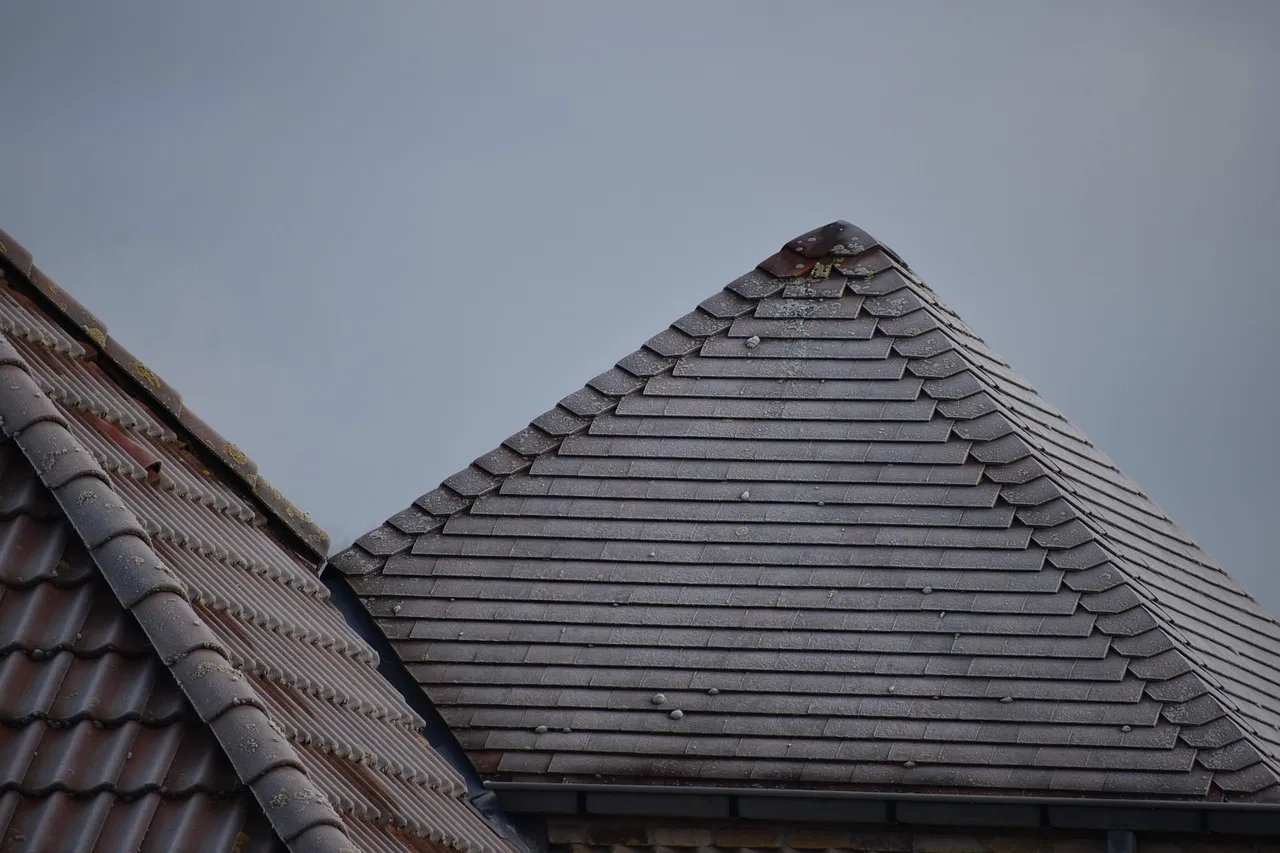
Strong winds strip away protective layers from your home without warning. Missing pieces allow rainwater to seep directly into the wooden underlayment below.
An educational report issued by North Dakota State University suggests checking for missing shingles, damaged pieces, and loose nails on metal systems.
Storms accelerate the deterioration of older materials rapidly. You might notice dark spots where protective elements have washed down into the drainage paths. Look for these common signs during a ground inspection:
- Curled or cupped shingle edges
- Deep cracks across the material surfaces
- Bare spots missing protective granules
- Loose fasteners near the roof peak
Neglecting these surface flaws allows water to pool in hidden areas. Left unaddressed, a few compromised spots quickly spread across the entire surface. Expert replacement provides a fresh start with advanced weatherproofing technologies.
Sagging Roof Deck Lines
A straight ridge line indicates a healthy framing structure underneath the exterior materials. Curving or dipping along the peak reveals severe structural distress that demands attention.
An online publication by Elevated Roofing Solutions notes that a sagging roof deck frequently points to deep issues that threaten the entire structural framework. Physical depression indicates that the support beams are failing under the weight.
Water absorption rots the wooden rafters over extended periods. This rotting weakens the framework until gravity pulls the peak downward.
Immediate replacement becomes necessary to prevent a total ceiling collapse. Roofers must reinforce the internal framing before laying down new materials.
Water Leaks and Interior Stains
Water finds the path of least resistance through microscopic cracks in your ceiling. Small drips during heavy downpours quickly transform into major interior flooding. Dark brown circles on your drywall signal that water is pooling above your living space.
Persistent dampness promotes toxic mold growth inside dark attic spaces. Spores spread through the ventilation system, impacting the air quality of the building.
Remediation becomes incredibly expensive if the water problem remains ignored for months. Swapping out the old exterior barrier remains the only permanent fix for chronic interior dampness.
Accumulation of Gutter Granules
Asphalt shingles shed their mineral coating as they age and bake in the sun. This sand-like debris accumulates in your gutters and washes down the downspouts.
Heavy accumulation means your shingles have lost their primary shield against solar heat. The bare asphalt underneath cracks quickly when exposed directly to the elements.
Cleaning your drainage channels offers a perfect opportunity to check for these fine particles. Finding large piles of black sand means the current layer is reaching its expiration point.
Replacing the worn system protects your home from sudden thermal cracking during heatwaves.
Rising Energy Expenses
An invisible sign of structural decline shows up directly on your monthly utility statements. Compromised roofing materials allow conditioned air to escape easily from your upper floors. Solar heat penetrates deteriorated surfaces, forcing your air conditioner to work twice as hard.
Modern building materials incorporate advanced thermal barriers to reflect solar radiation. Upgrading an old system restores proper temperature regulation throughout the living quarters.
Homeowners notice an immediate drop in heating and cooling expenses after installing tight defenses. The long-term financial savings justify the initial capital investment.
Chronological Lifespan Milestones
Every material undergoes natural decay from constant exposure to ultraviolet rays. Even roofs that look acceptable from the street might be nearing the end of their functional utility.
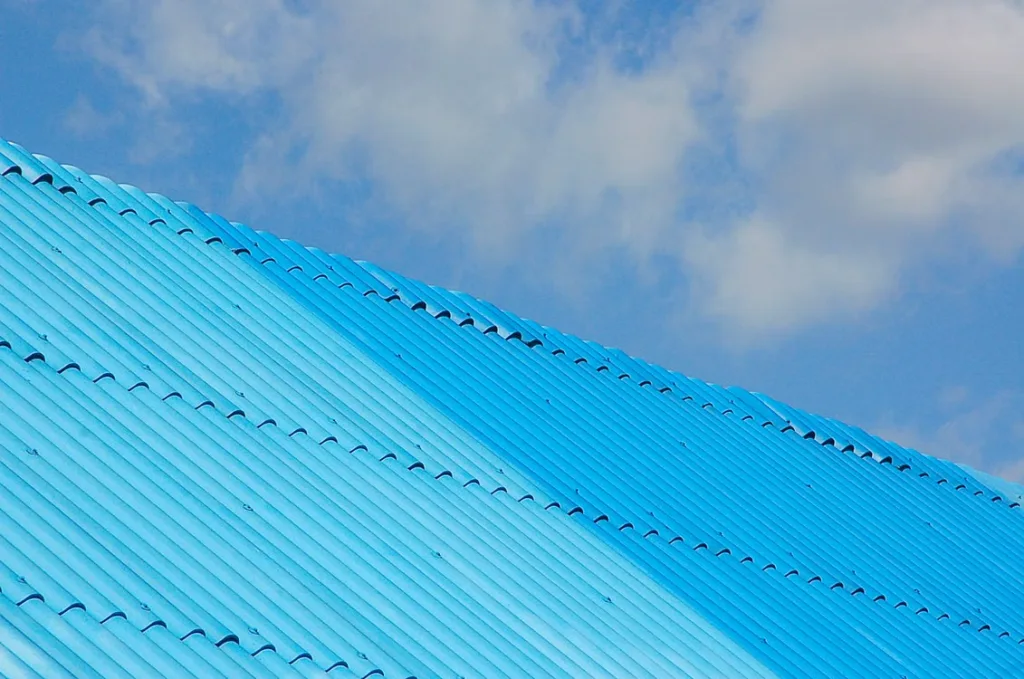
A guide from Riverside Roofers highlights that asphalt options typically last 20 to 25 years, whereas metal installations can survive up to 50 years. Reaching these chronological milestones means the protective sealants have degraded.
Brittle components lose their flexibility and fracture during minor windstorms. Upgrading your home protection before this breakdown occurs prevents costly emergency intervention. New installations provide modern weather resistance and improve energy management.
Maintaining a secure overhead defense requires observation and proactive decisions. Taking care of warning signs prevents small leaks from compromising the foundation of your home. Investing in a complete replacement updates your property with durable, modern defenses.
Your family gains peace of mind knowing the structure stands ready for any storm. Look skyward today to evaluate your home’s readiness.