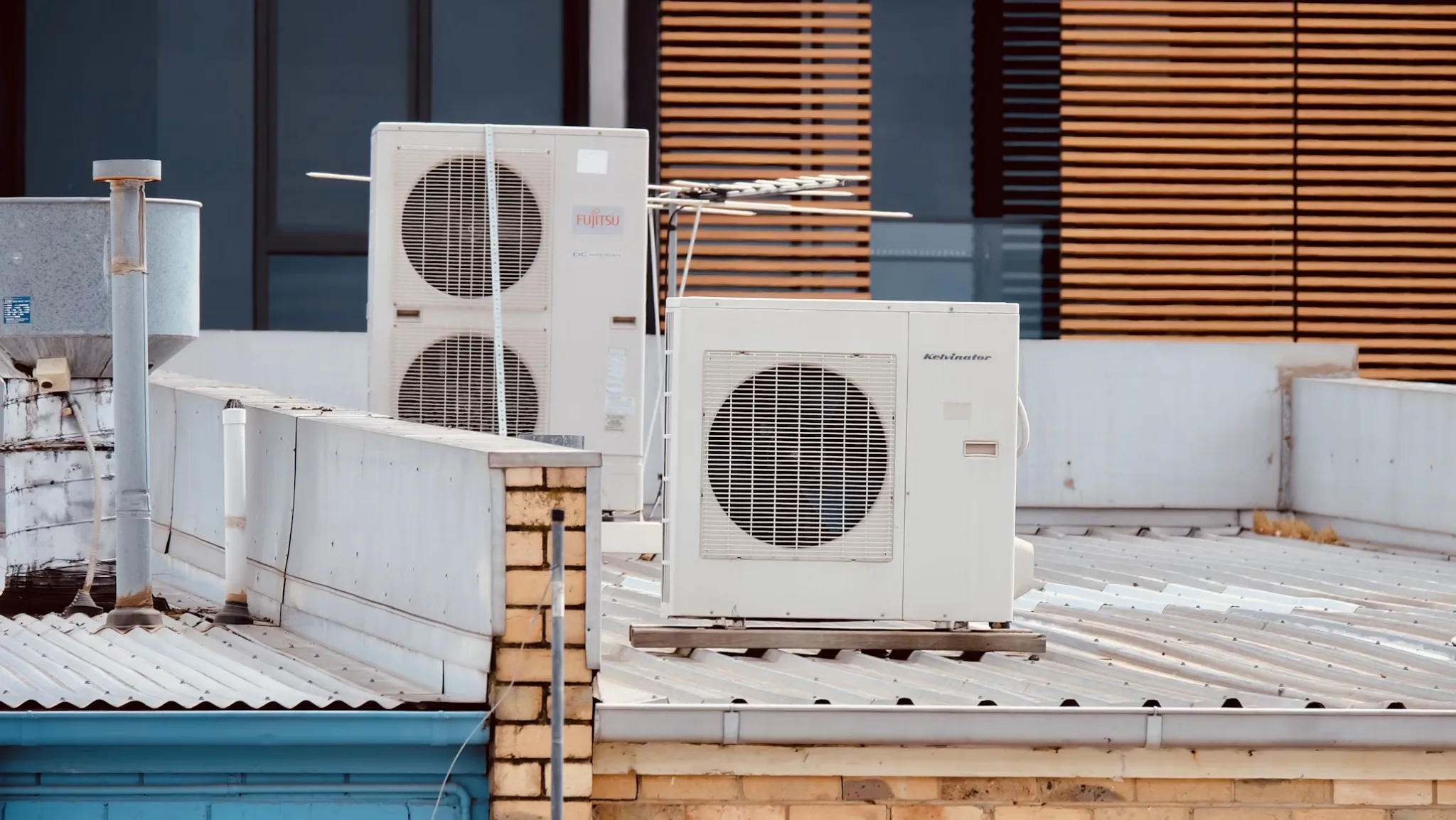
Modern homes require smart solutions to keep utility bills under control. Heating and cooling make up the largest chunk of residential energy consumption.
Upgrading aging equipment helps property owners cut operational costs right away. New technology provides better temperature regulation throughout the changing seasons.
Modern Home Comfort Needs
Managing indoor temperatures requires a reliable strategy. Drafty rooms or weak airflow can indicate that your system struggles to keep up with daily demands. Ignoring these early warning signs often leads to major system failures during extreme weather.
Many homeowners notice rising electric bills every single summer. Local repair professionals from Smock HVAC say that regular system checkups can drop these numbers. Staying ahead of minor issues protects your wallet. Keeping your equipment clean allows the machinery to operate without extra strain.
Neglected machinery consumes extra power to achieve basic cooling goals. Small adjustments by qualified service teams prevent unexpected breakdowns during peak seasonal shifts. Regular attention keeps the indoor atmosphere pleasant throughout the year.
Smart Thermostats and Climate Control
Programmable devices offer incredible control over indoor environments. These tools learn your daily habits and adjust settings automatically. You can lower the heat when everyone leaves for work and raise it right before you return.
Modern systems connect directly to your smartphone. This connection lets you monitor energy usage from anywhere. Avoiding unnecessary heating or cooling prevents wasted electricity throughout the day. Small changes in daily programming add up to noticeable savings on monthly bills.
Advanced models track local weather patterns to optimize internal adjustments. They reduce output when outdoor conditions soften, saving valuable resources. Property owners gain complete command over their ambient environment with minimal effort.
Investing in High-Efficiency Central Air
Older air conditioners work much harder to cool down open floor plans. Upgrading to a modern unit reduces the electricity needed to maintain a chilly interior. High-efficiency models utilize advanced compressors to match the cooling needs of the building precisely.
An official government efficiency website highlights how picking top-tier cooling units yields massive financial benefits.
The best available model saves up to $3,154 (or $2,285 above the required model) over its operational lifespan. Making this change drops your carbon footprint and lowers monthly utility expenses. Higher upfront costs pay off through years of lower operational bills.
Modern cooling units run quieter than models built a decade ago. They feature multi-stage fans that alter speeds based on current thermal loads.
Switching to Modern Heat Pump Systems
Traditional furnaces rely heavily on burning fossil fuels to generate warmth. Modern alternatives transfer heat from the outside air into your living spaces.
Data from the federal energy department shows these setups provide excellent year-round climate management. Heat pumps offer an energy-efficient alternative to furnaces and air conditioners for all climates. These setups offer several distinct advantages for property owners:
- They handle both heating and cooling duties through a single unified system.
- They function efficiently across diverse geographic regions and weather patterns.
- They minimize electricity waste by shifting warmth rather than creating it.
Eliminating combustion loops reduces safety risks associated with standard gas furnaces. These systems rely solely on refrigerant lines to manage thermal distribution. Homeowners enjoy a steady stream of conditioned air without high fuel reliance.
Improving Windows and Insulation
Even the newest HVAC unit fails to perform well if your home leaks conditioned air. Tiny gaps around doors and windows allow outdoor air to seep inside. Fixing these leaks keeps your mechanical systems from running constantly.
According to national efficiency programs, checking your windows pays off quickly. Replacing old, drafty windows with ENERGY STAR certified windows lowers household energy bills by an average of 12%. Combining window replacements with thick insulation creates a tight seal.
Thermal barriers in attics and walls block intense seasonal heat transfer. Thick protective layers shield living areas from freezing drafts or scorching summer sun rays. Tight home seals maximize the impact of every HVAC upgrade. Property values often rise when these structural improvements are completed.
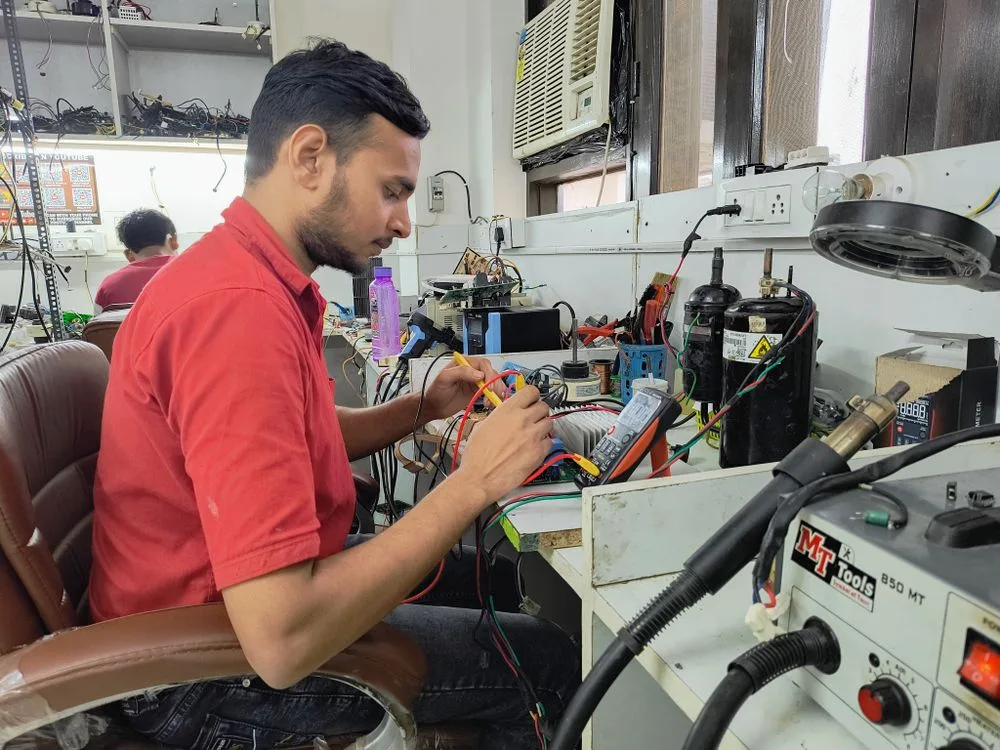
Regular Maintenance and Airflow Fixes
Dirty air filters block standard airflow and force blowers to run longer. Changing filters every few months keeps air moving freely through your ductwork.
Free-flowing air reduces wear on sensitive components like fan motors. Regular replacements prevent dust from settling deep inside the internal components.
Scheduling regular cleanings keeps coils free of dust and debris. Clean coils transfer thermal energy much faster. Simple tune-ups extend the lifespan of your equipment and protect your long-term investment.
Upgrading your residential heating and cooling setup provides permanent financial relief. Choosing efficient options lowers resource consumption and keeps your indoor spaces perfectly tempered.
Taking steps to fix insulation gaps and update old machinery transforms your living environment. Modernize your equipment today to experience immediate comfort and lower monthly expenses.