A backyard transformation brings fresh life to your property and creates a perfect spot for weekend gatherings. Planning this upgrade requires clear steps to keep the budget intact and the timeline moving forward. You can avoid common headaches by mapping out your goals before buying any lumber.
Every successful build starts with a solid blueprint and a clear understanding of your yard. Taking time to look at your available space helps prevent surprises during the construction phase. A well-designed backyard platform adds value to your daily life and increases property appeal.
Define Your Backyard Goals
Your design matches how you intend to use the new outdoor area. Some families want a quiet zone for reading, and others need a large platform for summer barbecues. Defining your primary purpose helps determine the size and layout of the platform.
Think about the number of guests you expect to host on a regular basis. A small seating area requires less square footage than a full outdoor dining setup. Write down your top priorities to guide your design choices later.
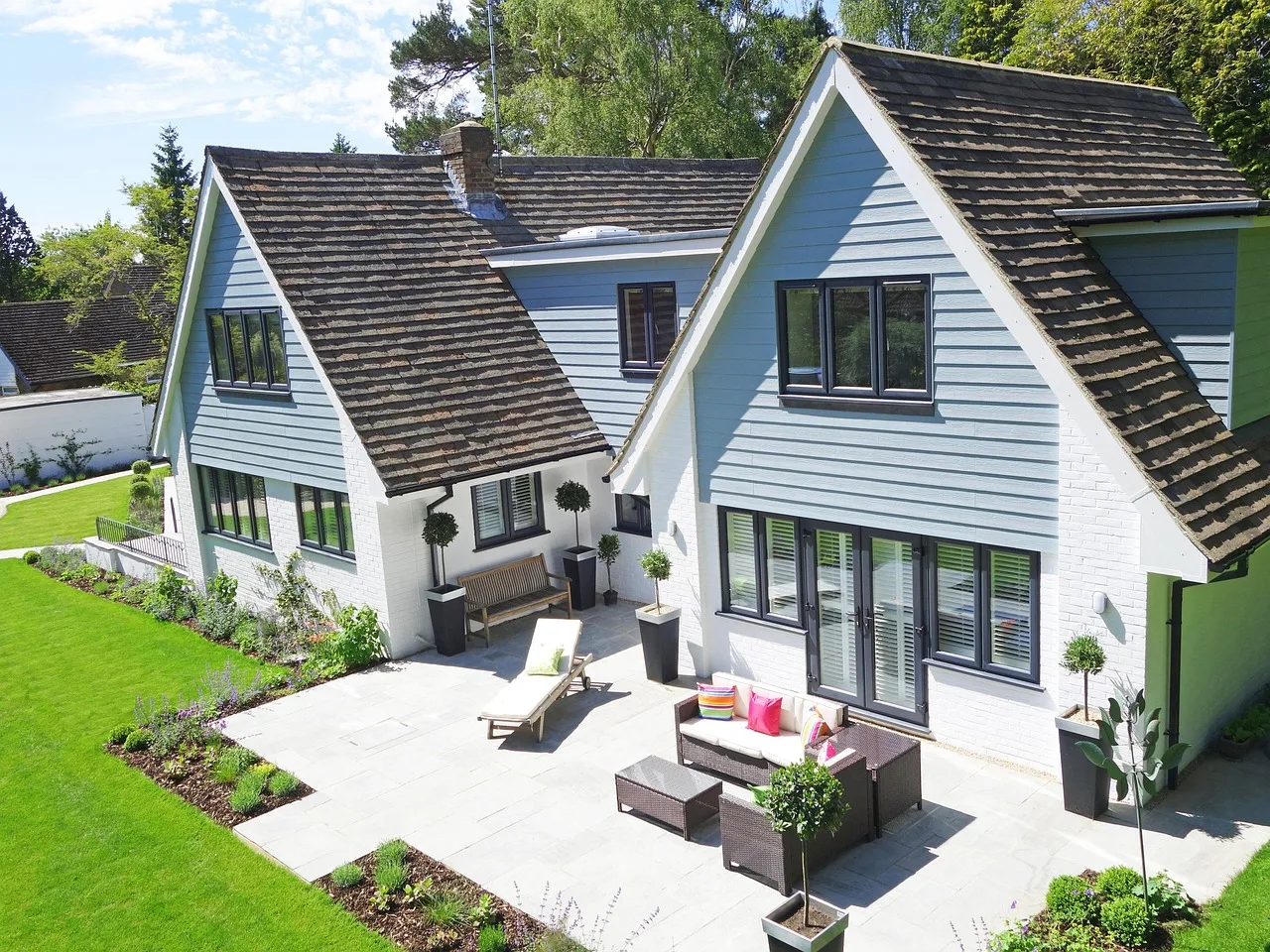
Evaluate how the new structure will blend with your existing house architecture. The transition from the back door to the platform should feel natural and effortless. Matching the style of your home creates a unified look that pleases the eye.
Select Your Building Team
Planning a backyard upgrade requires careful thought about who will do the physical labor. Many homeowners choose local outdoor deck installation services to handle the complex construction steps safely. Professional builders understand local safety rules and save you from major building mistakes.
If you choose the DIY path, prepare for a major commitment of time and energy. Substantial physical work is required to dig footings, pour concrete, and level heavy joists. Assessing your skill level honestly saves money and stress.
Interviews with local contractors provide realistic timelines and cost estimates for your area. Ask for references and look at past projects to verify their quality of work. Clear communication with your team keeps the project on track from start to finish.
Review Local Building Codes
Safety regulations dictate how high your platform can sit and what structural support it needs. Local authorities require specific permits before any digging begins on your property. Skipping these legal steps can lead to expensive fines or forced removal of your new structure.
Federal research indicates that modern structural materials are designed according to the prescriptive provisions of the International Building Code. Following these recognized guidelines protects your investment and guarantees structural safety. Check with your city office to see which version applies to your neighborhood.
Inspectors look at railing heights, stair dimensions, and ledger board connections during their visits. Meeting these benchmarks keeps your family safe during large gatherings. Compliance prevents legal issues when you decide to sell your home.
Compare Your Material Options
Choosing between natural wood and manufactured products affects your budget and maintenance routine. Traditional lumber offers low initial costs but requires regular sealing to prevent rot. Manufactured options cost more upfront but last decades without fading or cracking.
A government study provides insights into making sustainable building material choices by comparing mass timber structures with a steel equivalent. This research highlights how modern wood choices support eco-friendly construction practices. Evaluating the lifespan of each option helps you calculate the true long-term costs.
Composite boards resist moisture damage and insects better than untreated pine options. Look at samples in direct sunlight to see how much heat they retain. Select a product that fits your aesthetic preferences and your physical climate.
Establish A Realistic Budget
Hidden expenses can quickly derail a backyard project if you fail to plan for them. Ground preparation, permit fees, and specialized hardware add to the total cost. Set aside a financial cushion of $500 or more to handle unexpected issues.
- Professional labor costs usually account for a large portion of the total build price.
- Delivery fees for heavy materials change based on your distance from the store.
- High-quality fasteners and structural brackets cost more but extend the life of the platform.
Track your spending using a simple spreadsheet to stay within your limits. Compare quotes from multiple suppliers to find the best prices on premium lumber. Sticking to your financial boundaries guarantees a stress-free building experience.
Map The Sun And Shade
The position of the sun changes how comfortable your outdoor space feels throughout the day. A platform facing south receives intense heat during the afternoon hours, making shade structures necessary. West-facing designs might require umbrellas or pergolas to block the blinding evening rays.
Observe how shadows move across your yard during a typical weekend. This practice helps you decide where to place seating areas or grilling stations. Maximizing natural shade from mature trees can keep the area cool without extra expenses.
Think about how wind patterns affect your comfort during different seasons. Strong drafts can make evening dinners unpleasant if the platform sits completely unprotected. Installing privacy screens or dense bushes can block these unwanted breezes effectively.
Plan Your Access Points
The connection between your indoor rooms and outdoor spaces affects daily traffic flow. Placing the main door near the kitchen makes carrying food outside much easier during parties. Avoid routing heavy traffic through quiet spaces like bedrooms or home offices.
Stair placement determines how easily guests can transition from the platform down to the lawn. Wide steps provide additional seating options during casual backyard gatherings. Make sure the walking paths remain clear of furniture and grills to prevent accidents.
Lighting plays a critical role in keeping your walkways safe after the sun goes down. Recessed step lights and post cap illumination add beauty and prevent trips. Plan your electrical outlets early to accommodate these exterior lighting choices.
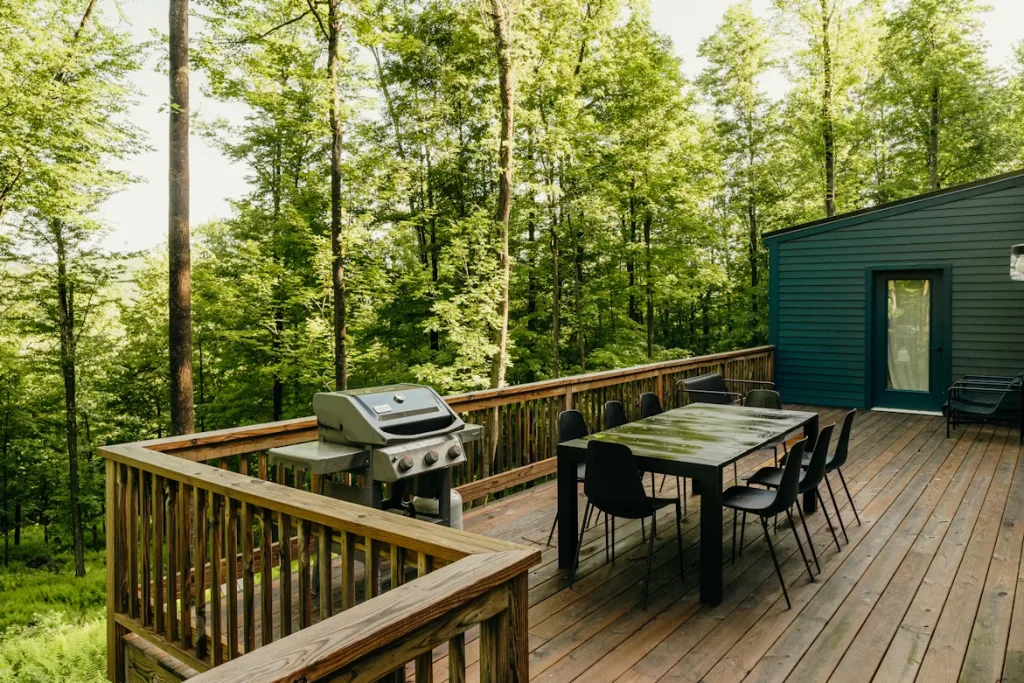
Taking the time to organize your building project guarantees a smooth path to a beautiful outdoor space. From setting a budget to selecting durable materials, every decision shapes your future enjoyment. Your preparation pays off the moment you step outside to relax.
A solid strategy turns a complex construction process into an exciting home improvement journey. Gather your ideas, consult with experts, and watch your backyard dreams take shape. Your perfect outdoor retreat is well within your reach.